Trump: Iran May Join Abraham Accords
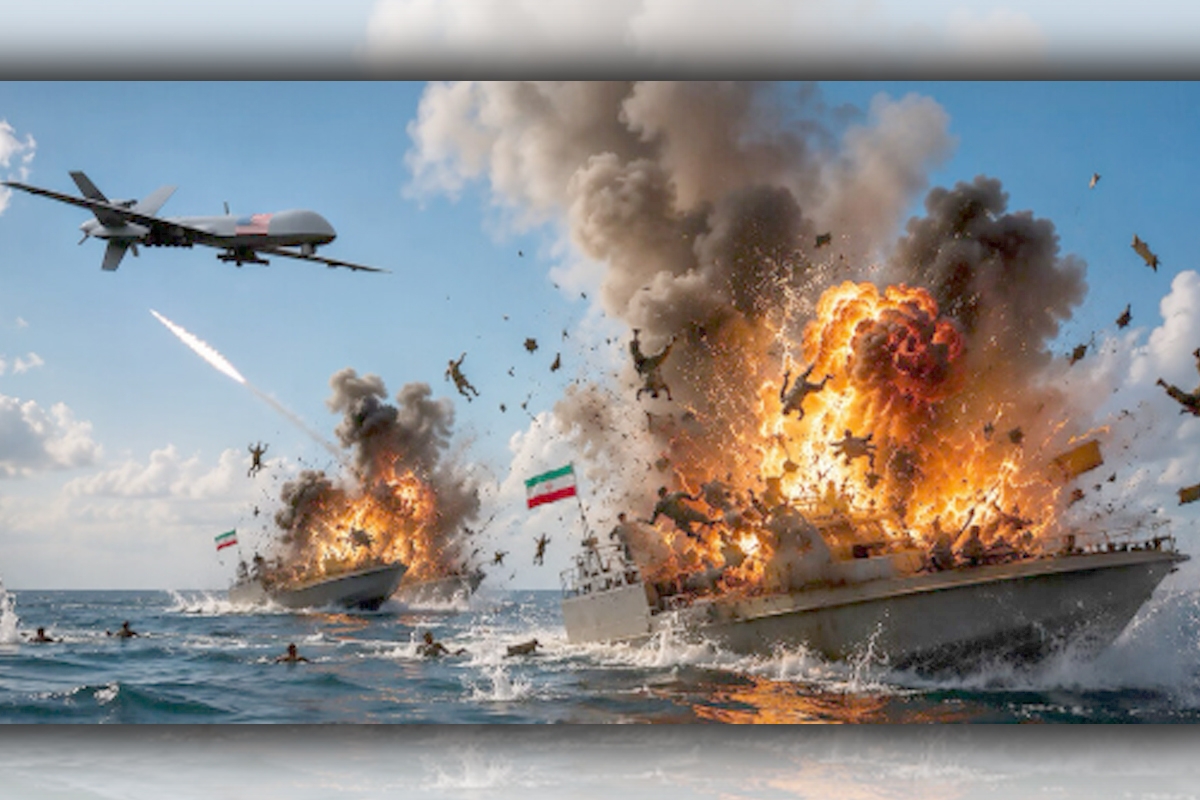
Trump calls for organized negotiations with Iran, confirming that a deal will not be reached quickly, while Netanyahu reiterates the dismantling of the nuclear program.
Translated by Alqyas from Al-Jarida — Original source
Coinciding with signals from the Pakistani mediator regarding his success in finding a gradual exit to end the war between the United States and Iran and to reopen the Strait of Hormuz, with the support of Gulf states, and amid domestic and Israeli pressures and fears of a potential “bad deal,” US President Donald Trump emphasized that the deal his administration is working to sign with Iran will not be rushed. He stressed that the potential memorandum of understanding is subject to organized and constructive negotiations, unlike the deal signed by his predecessor, Barack Obama, in 2015.
Trump stated in a post on “Truth Social” yesterday that the Obama deal was a direct path allowing Iran to develop a nuclear weapon, unlike the deal currently being negotiated. He added that he had instructed his representatives not to rush into any agreement, noting, “Time is on our side, and the sanctions will remain in effect and enforceable until an agreement is reached, approved, and signed.”
Referencing that the emerging understanding is currently under review, the Republican president pointed out the need for “both sides to take their time to ensure the correctness of the agreement. There is no room for error,” considering that “America’s relationship with Iran is evolving toward greater professionalism and productivity.”
Trump thanked all Middle Eastern countries for their support and cooperation, expressing his belief that this would be further strengthened by their joining the “Abraham Accords” with Israel, adding, “Who knows, perhaps the Islamic Republic may wish to join!”
This came as a source in Iran’s Supreme National Security Council told “Al-Jarida” that the draft “memorandum of understanding” prepared by Pakistan does not only include provisions related to ending the current war and its repercussions, but also encompasses broader understandings aimed at ending the state of hostility between the two countries that has persisted for 47 years, alongside pushing for regional settlements.
The proposed terms include:
• A cessation of war and all hostilities between Tehran and Washington and their allies, including stopping Israeli operations against Iran and its allies, as well as ending assassinations and cyber wars.
• Reopening the “Strait of Hormuz” to navigation as it was before the war without imposing fees on ships, while granting Iran the right to apply a monitoring protocol for national security reasons. Warships and arms carriers are prohibited from passing until a final agreement is reached.
• Washington, as a gesture of goodwill, releasing approximately 25 percent of Iran’s frozen funds, while suspending sanctions related to the sale of its oil, import of essential goods, and associated financial transfers.
• Lifting Iranian restrictions on the operations of US companies within Iran, in exchange for suspending US sanctions that prevent economic cooperation between the two sides.
• Concluding negotiations on war cessation arrangements within 30 days, then moving to separate negotiations on the future of Iran’s nuclear program.
Although compensation issues were included in the discussions, the source clarified that Washington expressed readiness to consider “alternative measures,” including allowing Tehran to receive revenues for services provided to ships transiting the strait, as an indirect form of compensating for war damages, excluding ships transiting the Omani section of the “Strait of Hormuz.”
Meanwhile, Axios reported a US official stating that “the Iranian regime in its current form does not move quickly, and it will take days to complete the necessary approvals” to finalize the interim deal. Israeli Prime Minister Benjamin Netanyahu affirmed that a final agreement with Tehran means dismantling its nuclear program, emphasizing his retention of freedom of action on all fronts, including against “Hezbollah.”
While US President Donald Trump posted an AI-generated image on his Truth Social platform showing the destruction of Iranian warships and boats, captioned with the word “Goodbye,” Rubio, speaking from New Delhi yesterday, said: “Despite serious progress in the track toward reaching an agreement with the Islamic Republic, no final result has been reached yet.”
He noted that the potential agreement would mark the beginning of “a process that will ultimately lead to what the President wants: a world that no longer fears or worries about an Iranian nuclear weapon.”
He clarified that the United States, in cooperation with its Gulf partners, has made progress over the past 48 hours on a draft aimed at keeping the Strait of Hormuz fully open and imposing no transit fees.
This comes after the US President indicated that a settlement “has made significant headway,” which involves reopening the Strait of Hormuz, effectively closed by Iran since the start of the war launched by the United States and Israel on February 28.
He explained that he held extensive talks with leaders of several regional countries to discuss final arrangements regarding Iran, and noted that the phone call he had with Israeli Prime Minister Benjamin Netanyahu regarding developments “went very well.”
Meanwhile, Axios quoted a US official as saying that the United States and Iran are on the verge of signing an agreement that stipulates extending a ceasefire for 60 days, during which the strategic strait linking the Gulf and the Arabian Sea will be reopened. The agreement provides that Iran will be allowed to freely sell oil and hold negotiations on curbing its nuclear program. According to Axios, Hormuz will be opened during the 60-day period without fees, and Iran will agree to remove mines it planted in the strait to allow ships free passage, a move that would help ease the global energy crisis that has driven up the costs of fuel, fertilizers, and food.
The report added that, in return, as part of the proposed agreement, Washington will lift its blockade on Iranian ports and issue certain sanctions waivers to allow Iran to freely sell oil.
CBS News, citing sources familiar with the discussions, reported that the latest proposal includes releasing some of Iran’s frozen assets in foreign banks and continuing negotiations for an additional 30 days, a detail previously published by Al-Jarida in its Friday edition.
Amid uncertainty over how to resolve the US red-line issue regarding the acquisition of highly enriched uranium, believed to be buried under the rubble of facilities bombed by the US and Israel during the 12-day war, Reuters quoted a senior Iranian source as saying that Tehran has never agreed to hand over its nuclear stockpile to any international party during the current negotiation rounds. At the same time, the Fars News Agency confirmed that the nuclear file is not part of the preliminary agreement being discussed to end the regional conflict, noting that Tehran insists on completely separating the two diplomatic tracks.
Tasnim News Agency, citing sources, reported that disagreements over one or two clauses in the memorandum could hinder reaching a final understanding “if Washington continues to erect obstacles.”
On the other side, Axios sources spoke of Tehran providing the United States, through international mediator channels, verbal commitments outlining the scope of concessions it is now prepared to make regarding the freeze of sensitive uranium enrichment operations.
Sources told The New York Times that the agreement under discussion does not resolve how Iran will dispose of its stockpile of highly enriched uranium, an issue that will be the subject of another round of negotiations “in the coming weeks or months.” They reported that Iran’s retreat came after Washington issued a stern threat to withdraw from the diplomatic track and immediately resume a comprehensive military campaign if Tehran did not comply with the conditions proposed regarding the uranium file.
According to the draft memorandum of understanding, it includes commitments from Iran not to seek developing a nuclear weapon and to hold negotiations on suspending its enrichment program within its territory.
Meanwhile, a senior Iranian source stated that if the Supreme National Security Council approves the memorandum, it will be referred to Supreme Leader Mojtaba Khamenei for final approval. President Masoud Pezeshkian affirmed that they are “prepared to reassure the world that we do not seek to possess nuclear weapons,” and that the Iranian negotiating team will not concede when it comes to the honor and dignity of our country.
One day after the conclusion of an intensive round of negotiations conducted by Pakistani Army Chief Asim Munir in Tehran, Pakistani Prime Minister Shehbaz Sharif, the chief mediator in the talks, fueled speculation about a gradual resolution to the dispute.
Sharif, while in Beijing, said he hopes to host the next round of talks very soon.
High-level sources told Al Arabiya that the potential preliminary agreement would be named the “Islamabad Declaration,” adding that Pakistan would announce the memorandum of understanding without the presence of the negotiating parties, and anticipating that the second round of negotiations would be held on June 5. The first round of talks, which yielded no agreement, was held in Islamabad on April 11.
Amid reports of strategic differences between Washington and Tel Aviv regarding the approach to handling the crisis, Israeli circles reported that Israeli Prime Minister Benjamin Netanyahu informed Trump of his concerns about delaying a resolution on Iran’s nuclear file and linking the ceasefire in Lebanon to understandings with Tehran.
Netanyahu’s office confirmed that Israel would continue its “freedom of action” on all fronts, including against Hezbollah, with Trump’s support. Meanwhile, an Israeli official stressed that the US president assured the prime minister in a phone call on Sunday night that the final agreement with Iran would lead to the complete dismantling of Tehran’s nuclear program, and that he would not sign an agreement that does not include the transfer of uranium out of the Islamic Republic.
