Oil Ministry: Growing Kuwaiti Interest in Enhancing Natural Gas Use for Electricity Generation
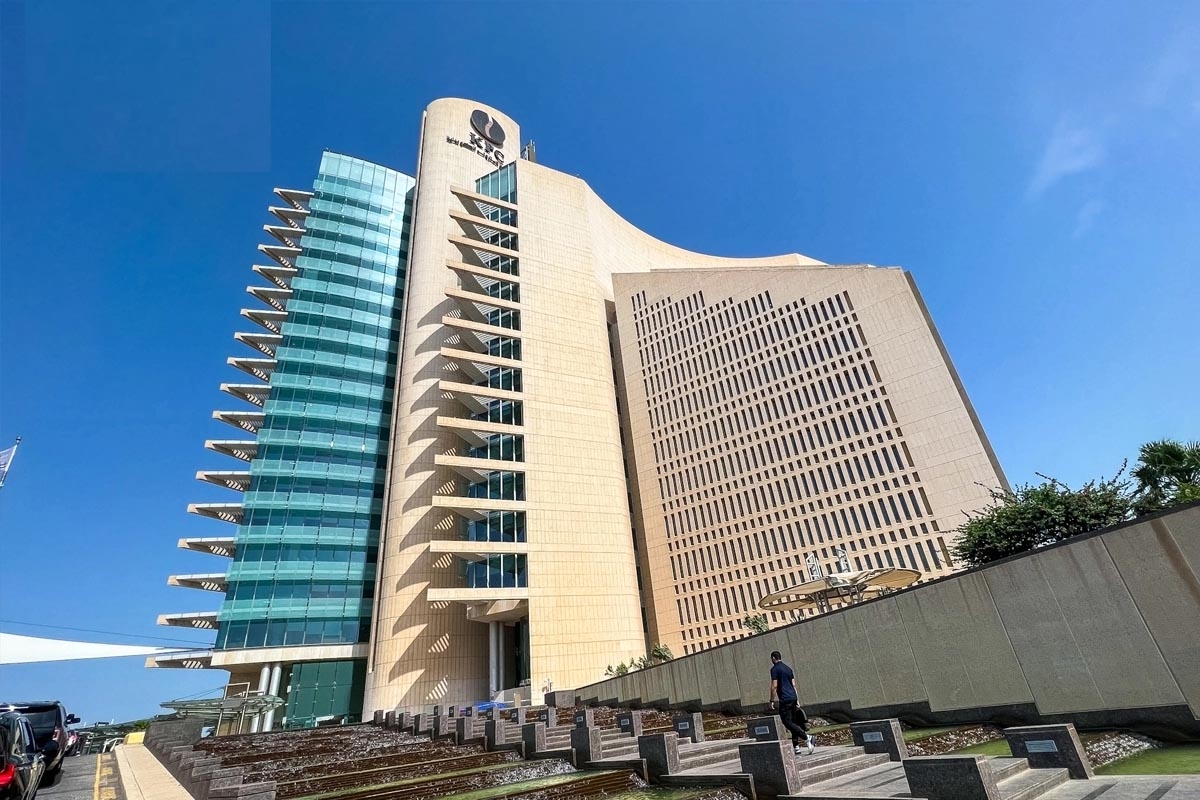
Kuwait strengthens natural gas usage to improve energy efficiency and support environmental sustainability
Translated by Alqyas from Al-Jarida — Original source
Sheikha Tamadur Khalid Al-Ahmad Al-Jaber Al-Sabah, Director of Public Relations and Petroleum Media at the Ministry of Oil, stated during the session that Kuwait is increasingly focused on enhancing the use of natural gas in its electricity generation system, as it represents a strategic option supporting energy sector efficiency, improving environmental performance, and raising fuel consumption efficiency.
Sheikha Tamadur Al-Sabah highlighted the infrastructure projects implemented by Kuwait in recent years, foremost among them being the liquefied natural gas (LNG) import facilities in the Al-Zour area.
She added that these projects serve as a fundamental pillar for supporting the needs of power and water generation plants, enhancing the resilience and sustainability of the country’s energy system, keeping pace with the growing demand for electricity and energy, and supporting the state’s direction toward developing a more efficient and sustainable energy mix, in line with global changes in the energy sector.
She emphasized that the Ministry continues to implement its approach of strengthening knowledge and specialized content in the energy sector, keeping pace with the rapid developments witnessed by the global energy sector and contributing to consolidating a culture of knowledge and exchanging expertise among various relevant entities.
Sheikha Tamadur Al-Sabah noted that LNG and hydrogen topics have today become among the most prominent strategic issues on the global agenda, amid growing trends toward diversifying energy sources, enhancing supply security, and supporting transition pathways in the energy sector.
For his part, Wael Abdulmoeity, a gas industries expert at the Arab Organization for Industrialization, stated during the session that the first quarter of 2026 witnessed major structural shifts in the global energy map due to disruptions in LNG shipping through the Strait of Hormuz, in addition to the industry recording historic levels of investment and contractual activity driven by increasing global interest in supply security and energy source diversification.
Abdulmoeity added that the United States maintained its position as the world’s leading LNG exporter, with its market share rising to nearly 29%, benefiting from disruptions in exports through the Strait of Hormuz.
He pointed to the sensitivity of LNG trade to strategic maritime routes, noting that navigation disruptions in the Strait of Hormuz affected approximately 19% of global LNG trade, underscoring the importance of maritime route security for market stability.
He added that this affected Arab countries’ LNG exports, which declined by more than 24% during the first quarter of 2026, while their market share fell to less than 20%, compared to around 25% prior to geopolitical events in the region.
On the demand side for LNG, he reported that importing countries took several measures to deal with supply fluctuations, including some, such as India, prioritizing vital sectors in gas consumption, such as residential and transport sectors.
Abdulmoeity added that some countries, such as Japan and South Korea, lifted restrictions on the use of alternative sources like coal to alleviate pressure on gas consumption, while the European Commission recommended managing the pace of storage replenishment without haste to avoid new price pressures.
He noted that despite these measures, LNG prices surged in spot markets in March last year by more than 60% compared to February, reaching $18 per million British thermal units (MMBtu).
He added that, amid concerns over supply shortages and in light of risks associated with the security of vital waterways, the Arab Organization for Energy expects total global supplies to reach approximately 435 million tons by 2026, representing a growth of only 1% compared to previous growth forecasts of 8%.
In a separate context, Abdulmoeity pointed to sustained global political momentum around hydrogen, with around 65 countries adopting national hydrogen strategies. These countries account for the majority of the global economy and emissions, representing approximately 85% of the global economy and generating 80% of global carbon dioxide emissions.
He stated that 2025 witnessed a jump in the operational capacity of low-carbon hydrogen to around 2.7 million tons annually, compared to approximately 2 million tons annually in 2024, with a clear dominance of blue hydrogen in current operational capacities.
He noted that a significant gap remains between announced plans and actual implementation, as projects under construction amount to only 5.5 million tons annually, compared to global ambitions exceeding 120 million tons annually. This reflects the sector’s transition from a phase of high optimism to a more realistic one based on economic viability and the availability of long-term contractual demand.
Abdulmoeity indicated that the Arab region is taking steady steps toward investing in low-carbon hydrogen and ammonia projects, predicting that next year will mark a major turning point for hydrogen in the region, thanks to projects currently under implementation and scheduled to become operational by 2027.
Attendees at the session included officials from the Ministry of Electricity, Water and Renewable Energy, the Public Authority for Environment, and the Arab Organization for Energy, as well as students from the University of Kuwait (College of Engineering and Petroleum).
