Trump: Halting Iran's nuclear program more important than Americans' economic hardship
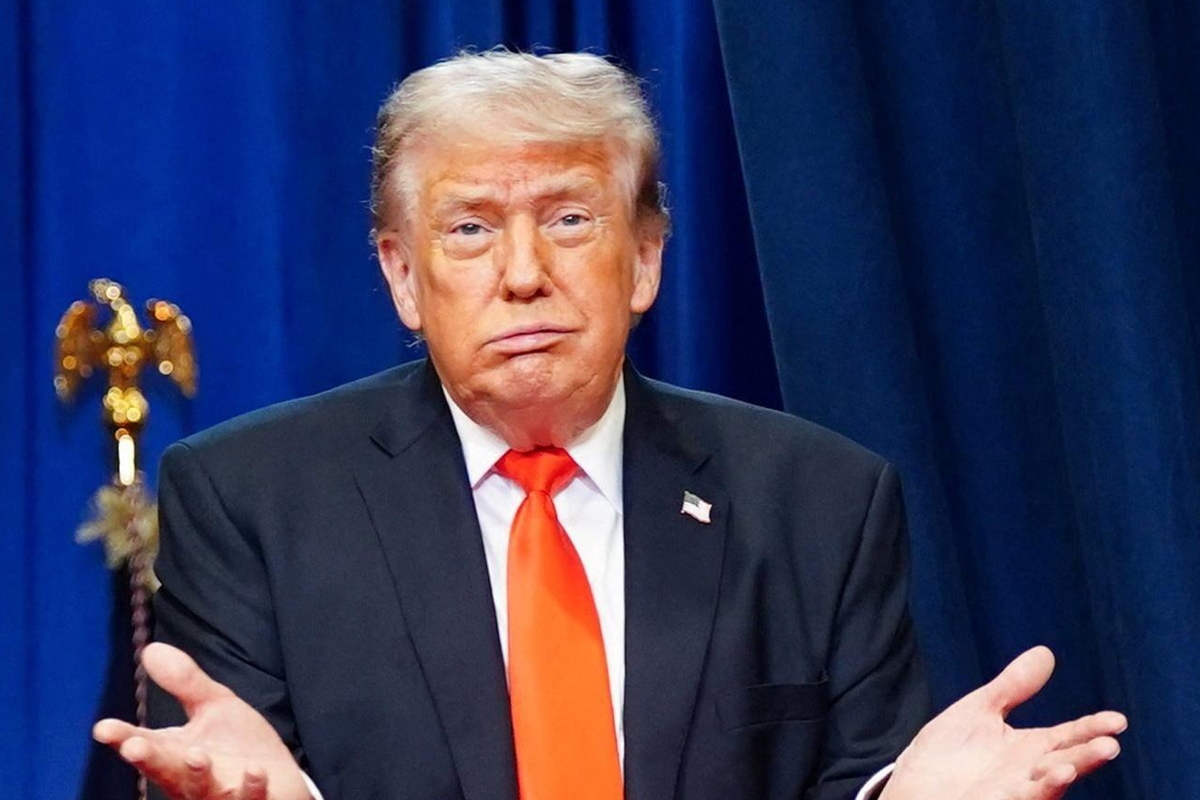
Trump rejects the impact of economic hardship on negotiations with Iran, emphasizing that preventing Tehran from acquiring nuclear weapons is the top priority.
Translated by Alqyas from Al-Jarida — Original source
US President Donald Trump said on Tuesday that the financial hardships facing Americans do not influence his decision-making as he seeks to negotiate an end to the conflict with Iran, emphasizing that preventing Tehran from acquiring a nuclear weapon remains his top priority.
In response to a journalist’s question about whether Americans’ financial conditions were pushing him toward a deal, Trump said, “Not even a little bit.”
Before leaving the White House en route to China, Trump stated, “The only thing that matters, when I talk about Iran, is that they don’t get a nuclear weapon... I’m not thinking about the financial situation of Americans. I’m not thinking about anyone. I’m thinking about one thing: we cannot allow Iran to get a nuclear weapon. That’s it. That’s the only thing that motivates me.”
Trump’s remarks are likely to draw criticism from opponents who argue that the administration should balance geopolitical objectives with the economic impact on Americans, especially since cost-of-living concerns remain a key issue for voters ahead of the November midterm congressional elections.
When asked to clarify the president’s comments, White House Communications Director Stephen Chung said, “Trump’s ultimate responsibility is the safety and security of Americans. Iran cannot possess a nuclear weapon, and if no action is taken, they will, which threatens all Americans.”
Trump is facing growing pressure from fellow Republicans who fear that economic suffering caused by the war could trigger a backlash against the party, costing it control of the House of Representatives and possibly the Senate in November.
The conflict with Iran has driven up energy costs, leading to higher gasoline prices in the United States and contributing to inflation.
Data released on Tuesday showed that US consumer price inflation recorded its largest increase in three years in April.
However, US intelligence assessments indicate that the time Iran would need to build a nuclear weapon has not changed since last summer, when analysts estimated that a US-Israeli strike had extended the timeline to between nine months and one year, according to three informed sources. Evaluations of Tehran’s nuclear program remain largely unchanged, even more than two months after the outbreak of war.
Iran denies seeking nuclear weapons, stating its program is for peaceful purposes, but Western powers suspect it aims to develop the capability to build a bomb.
