Oil prices decline amid anticipation of Fed and ECB meetings
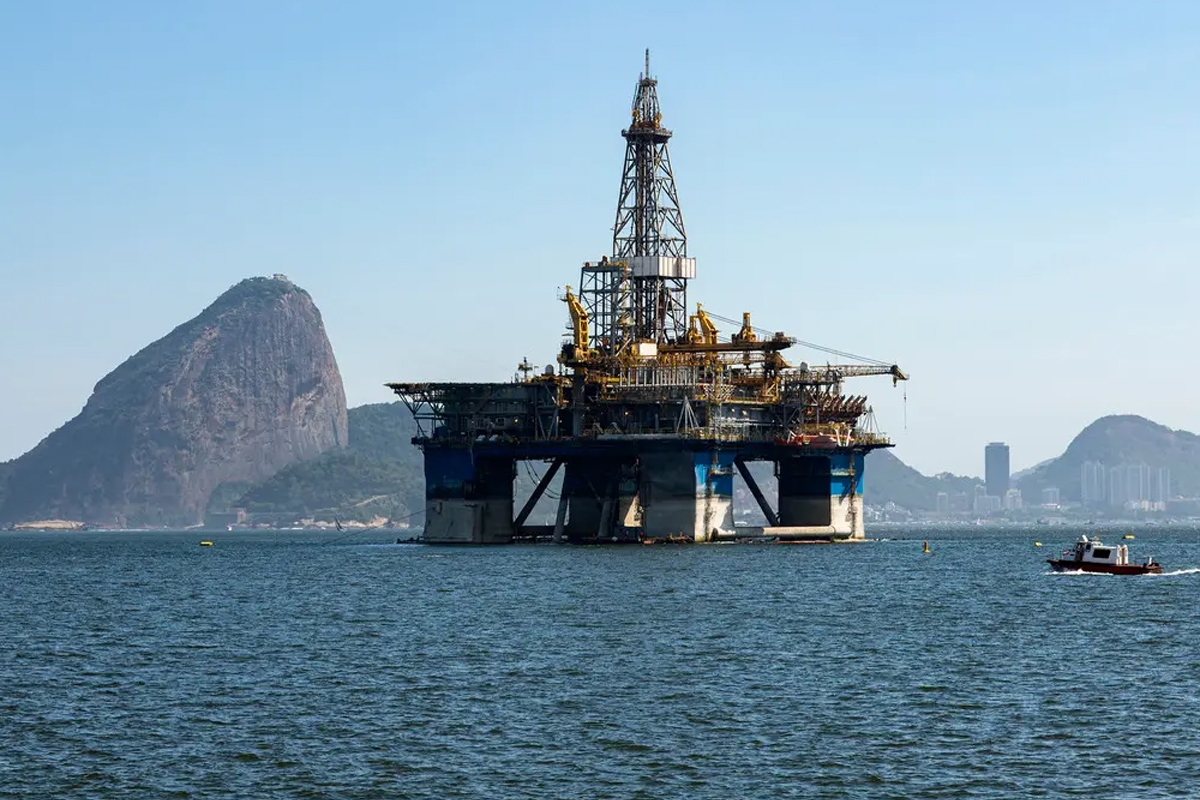
Oil prices drop following resumption of Iraq's exports via Turkey and central bank meetings
Translated by Alqyas from Al-Jarida — Original source
The price of a barrel of Kuwaiti crude rose by $4.60 to reach $153.22 per barrel in Tuesday’s trading, compared to $148.62 per barrel in last Monday’s trading, according to the price announced by the Kuwait Petroleum Corporation.
In global markets, oil prices fell on Wednesday, the 19th day of the war in the Middle East, as Iraq announced a partial resumption of its crude exports via Turkey, which had been disrupted by the closure of the Strait of Hormuz, amid anticipation of meetings by central banks, particularly the US Federal Reserve and the European Central Bank.
In morning trading, the West Texas Intermediate (WTI) benchmark, the US reference crude, lost approximately 1.20% of its price to reach $102.18. Meanwhile, Brent North Sea crude, the global benchmark, fell by 2.62% to $93.69.
Iraq had announced on Wednesday the resumption of part of its exports, up to 250,000 barrels per day, via the Turkish port of Ceyhan, following an agreement with the Kurdistan Region authorities to pump oil through pipelines.
Meanwhile, quantities of oil from the strategic reserves of International Energy Agency (IEA) member countries began to be released, with the pace expected to accelerate by the end of March.
John Plasar, Head of Investment Strategy at Citigroup, stated that this decline in oil prices “supports investor sentiment.”
The drop in oil prices was reflected in an improvement in European stock markets on Wednesday morning, particularly in Paris, London, and Frankfurt, with gains remaining below 1%.
Analyst Michael Wan noted that “central banks’ task remains arduous, as they face a difficult equation between rising oil prices and uncertainty surrounding the potential repercussions of the conflict in Iran.”
The US Federal Reserve is holding a meeting and is likely to keep interest rates at their current levels. The central bank may also signal that it is not prepared to cut rates due to fears of a resurgence in inflation driven by the war.
Analyst Christopher Dembik clarified that the market “currently prices in a higher probability of the Federal Reserve raising interest rates over the next three months than of it cutting them.”
For its part, the European Central Bank is holding a meeting today, Thursday. Its President, Christine Lagarde, confirmed that the institution will do everything “necessary” to ensure that “inflation remains under control” in the face of sharp energy price increases caused by the war.
The IIR service, which monitors the oil sector, reported that Saudi Aramco, the giant Saudi oil company, restarted the Ras Tanura oil refinery on March 13 after closing it on March 2 following a drone attack.
Iraq North Oil Company stated that crude oil exports from the Kirkuk fields to the Turkish port of Ceyhan resumed via pipeline on Wednesday, after the Baghdad government and the Kurdistan Region government agreed on Tuesday to resume flows.
Global oil prices fell 1.46% to reach $101.91 per barrel on Wednesday, after rising by approximately 30% above $100 per barrel since the start of the US-Israeli war on Iran on February 28, which severely disrupted oil flows.
Kurdistan Region Prime Minister Masrour Barzani wrote in a post on the X platform that the region would allow crude oil exports via the Kurdistan pipeline as soon as possible.
He explained, “Given the exceptional circumstances facing the country, and based on the shared responsibility that obliges us to overcome this difficult juncture, we have decided to allow oil exports via the Kurdistan pipeline as soon as possible.”
He added, “At the same time, our talks with Baghdad will continue to urgently lift restrictions on imports and commercial traffic to the region, and to provide the necessary guarantees for oil and gas companies, ensuring they can resume production in a safe environment.”
Shortly thereafter, Barzani stated in a post on X that, during a phone call with U.S. envoy Tom Brack, he had instructed the Kurdistan Regional Government team to provide all necessary facilitations to resume oil exports, in the interest of citizens amid difficult circumstances.
Authorities in Iraqi Kurdistan said on Sunday that Baghdad had not addressed the security and economic challenges facing the oil sector, rejecting Baghdad’s accusations that the Kurdistan authorities were blocking crude exports through a pipeline in the region.
The statement came after Iraq’s Ministry of Oil said the Kurdistan Regional Government had refused to allow it to use the pipeline as an alternative route for oil flows disrupted by the war with Iran, accusing the local authorities of imposing arbitrary conditions.
