Trump: War Will End Soon... We No Longer Have Anything to Target
US and Israeli attacks on Iranian ships in the Strait of Hormuz, with tension over war objectives.
Translated by Alqyas from Al-Jarida — Original source
On its twelfth day, the intensity of the Iranian war escalated as Iran defied US President Donald Trump and targeted ships in the Strait of Hormuz, through which one-fifth of global oil and liquefied natural gas supplies pass. Amid US and Israeli debates over the war’s objectives and its end date, Western diplomatic sources suggested the conflict would last an additional 10 days and no longer. Trump told Axios that the war would end soon and that “there is hardly anything left” to target in Iran, adding, “When I want it to end, it will end.”
Maritime security agencies and sources stated that three vessels—the Thai-flagged bulk carrier “Mayuri Nari,” the Japanese-flagged container ship “Wan Majesty,” and the Marshall Islands-flagged “Star Gwyneth”—were struck by projectiles in the Strait of Hormuz. One attack ignited a fire aboard the Thai vessel, forcing most of its crew to evacuate.
This came shortly after the White House denied that the US military had begun escorting commercial ships through the Strait of Hormuz, following a post by US Energy Secretary Chris Wright on X (formerly Twitter) claiming the Navy had successfully escorted an oil tanker through the vital waterway. Trump had stated on March 3 that the United States would provide protection for oil tankers transiting the strait, but his administration has taken no action yet.
US Central Command, which leads the attack on Iran, announced that US forces had destroyed several Iranian naval vessels, including 16 minesweepers, near the Strait of Hormuz. Trump had previously stated that the US had “completely destroyed” 10 inactive minesweepers, warning Iran of unprecedented consequences if it laid mines in the strait.
The commander of the Iranian Revolutionary Guard Corps Navy warned the day before against ships transiting the Strait of Hormuz, stating that any vessel linked to countries he described as aggressors against Iran would not be allowed to pass. He added, “Let anyone who doubts it approach and try to pass.” The Wall Street Journal reported that Iran is allowing tankers carrying its own oil to pass, noting that its oil sales have increased during the war, while reports indicate Chinese ships have received special permission to transit.
Meanwhile, US and Israeli forces continued launching what were described as the most intense airstrikes on Iranian sites in the capital, Tehran, and other cities. Reuters quoted a Tehran resident saying Tuesday-Wednesday night “was like hell. They were bombing everywhere, every part of Tehran.” The New York Times reported that Iranians believe their capital will be destroyed in the war.
US Central Command commander General Brad Cooper said yesterday that his forces had destroyed the last warship of the “Soleimani” class, leaving the entire Iranian fleet out of action. He added, “Our mission is to end Iran’s ability to project influence and harass navigation in the Strait of Hormuz.”
Cooper stated that US combat power is increasing while Iranian combat power is declining, announcing that more than 5,500 Iranian targets had been struck, and noting that US strikes are decisive and unpredictable.
Meanwhile, Western diplomatic sources suggested the war would last an additional 10 days and no longer, but two Israeli ministers told Reuters that Trump is not close to issuing orders to end the war.
The absence of a clear strategy from the Trump administration regarding the war, along with fluctuating statements about its objectives and duration, has raised doubts among all parties, including Israel.
Israeli media reported that Israel is acting as though Trump could end the war at any moment, and is working to inflict the maximum military damage on Iran before that happens. The Trump administration had ended a military operation against the Houthis abruptly last year without achieving any of its objectives.
Despite this debate, White House spokesperson Karoline Leavitt said the day before yesterday that U.S. operations would continue until Iran’s “surrender” and the achievement of all U.S. objectives. In Tel Aviv, Israeli Defense Minister Israel Katz said yesterday that the military operation is ongoing with no time limit until its objectives are met, adding that the remaining Iranian leadership is fleeing into tunnels.
As supporters of the regime mourned the military commanders killed on the first day of the Israeli-U.S. attack, Iranian Police Commander Ahmad Reza Radan warned citizens the day before yesterday against protesting to demand regime change, following Israeli Prime Minister Benjamin Netanyahu’s call for Iranians to rise up against the leadership of the Islamic Republic.
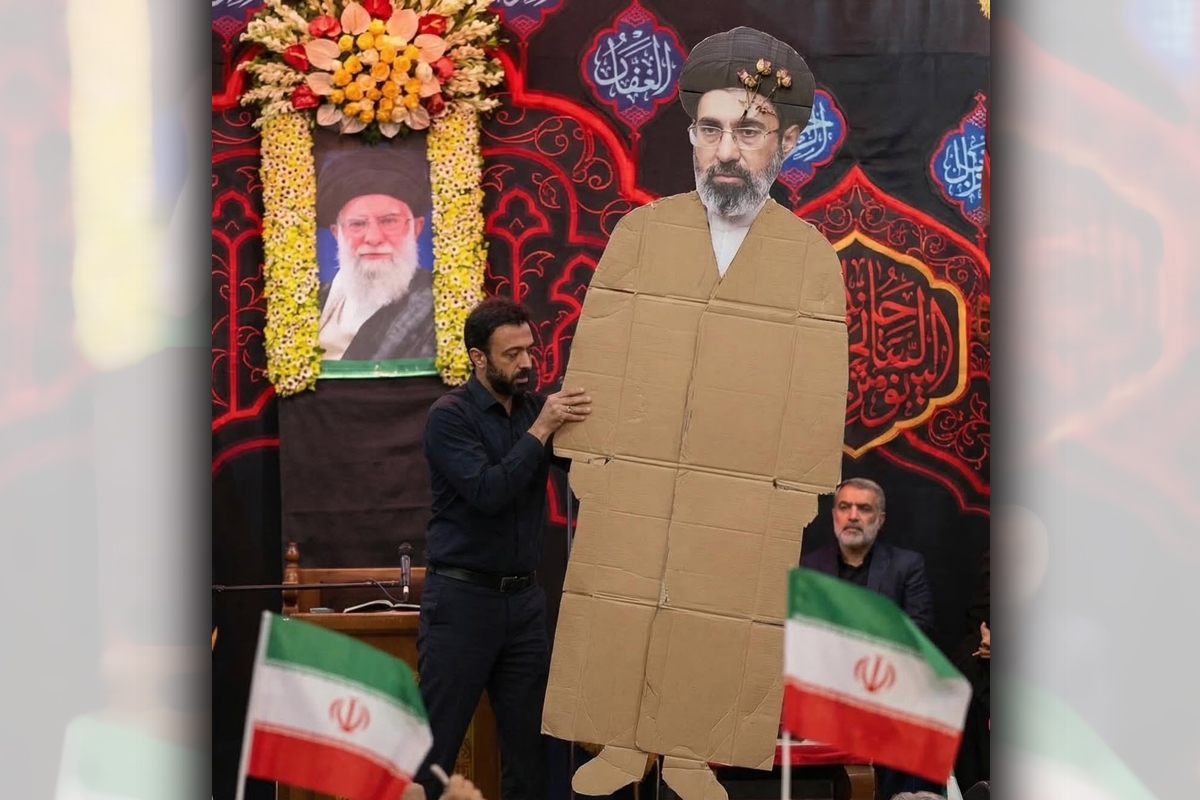
Meanwhile, an Iranian official told Reuters that Iran’s new Supreme Leader, Mojtaba Khamenei, sustained minor injuries but continues to carry out his duties, confirming the accuracy of Al-Jarida’s report published on the 4th of this month regarding Mojtaba’s injury and his stable health condition.
