Sharp jump in global diesel and fuel prices
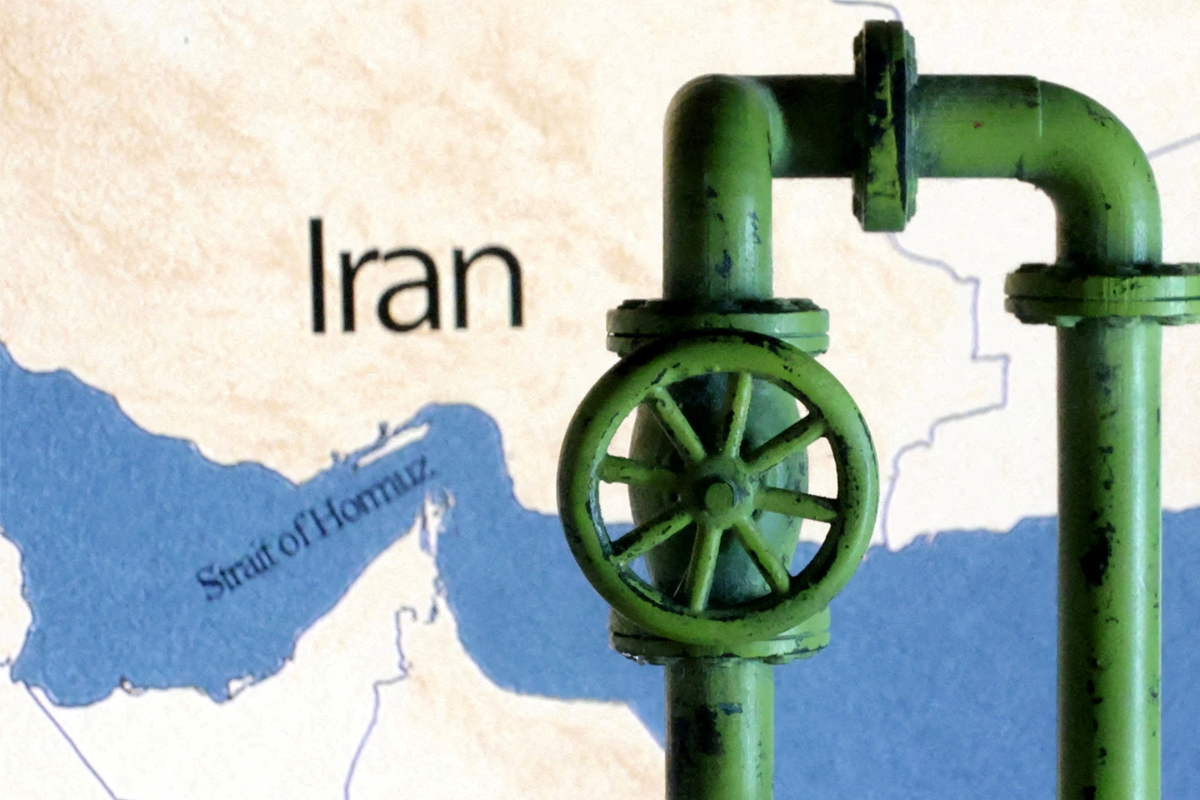
Diesel prices in the US and Germany have risen to unprecedented levels due to the war in Iran and disruptions in shipping through the Strait of Hormuz.
Translated by Alqyas from Al-Jarida — Original source
The average retail price of diesel in the United States surpassed the $4-per-gallon threshold on Wednesday, marking the first time in nearly two years, with expectations of further increases amid the ongoing war in the Middle East.
Patrick De Haan, an analyst at GasBuddy, indicated that the average could reach levels between $4.25 and $4.45 per gallon in the coming days, depending on field developments.
Fuel prices in Germany also continued to rise, with the cheapest common gasoline grade, Super E10, exceeding €2 per liter in the national average, one day after diesel crossed this threshold. The price of Super E10 peaked at €2.003 per liter on Thursday morning, according to the German Automobile Club (ADAC), having been slightly below that level at €1.995 on Wednesday morning.
Diesel prices also continued their upward trend, averaging €2.086 per liter across Germany on Thursday morning, up from €2.054 the previous day. Diesel is typically cheaper than E10 due to significantly lower taxes, but its price is more vulnerable to crises. Its reaction in the initial phase of the war in Ukraine was stronger than that of gasoline, partly because diesel is also used as a gas substitute and plays a larger role in the industrial sector.
The last time the average price of Super E10 gasoline or diesel exceeded €2 per liter was in 2022. The current surge in fuel prices has sparked debate over the potential implementation of fuel price caps.
German Finance Minister Lars Klingbeil threatened oil companies with consequences if they attempted to profit from the war in Iran and the current situation. In statements to ZDF, he said, “Exploitation of consumers must not happen now; politics must act clearly and decisively.” The price hikes are attributed to the war in Iran and the closure of the Strait of Hormuz off the country’s coast, which plays a crucial role in oil and gas supplies. Since the escalation last Saturday, crude oil and gas prices have also risen significantly.
Aviation fuel prices worldwide have also surged, as oil traders grapple with the fallout from the Iran conflict, exacerbating broader concerns about global inflation. In Europe, prices have reached their highest level since 2022—the year Russia began its invasion of Ukraine—while prices in the United States and Asia have hit their highest levels in over two years, according to data from General Index.
Costs are rising faster than crude oil, which itself has climbed as the Middle East conflict disrupts energy production and interrupts vital shipping routes in the region.
James Noel-Peswick, head of commodities at Sparta, said, “The past 24 hours have seen massive movements in global aviation fuel pricing.” He added, “Airlines are facing longer flight routes alongside a tightening global supply.”
Sonangol Marine Services stated that the hull of the Bahamian-flagged crude oil tanker Sonangol Namibia was likely punctured after being struck by an explosion while docked near the Khor al-Zubair port in Iraq on Thursday. The company added that an unidentified small boat had approached the tanker.
In a statement, the company explained, “The small boat approached the tanker’s port side, and shortly afterward, a loud explosion was heard.” It continued, “The crew reports that the port-side ballast water tank is losing water, suggesting a hull breach, but the vessel remains stable and safely afloat.”
The price of a barrel of Kuwaiti crude oil rose by $3.92 to reach $84.24 per barrel in trading on Wednesday, compared to $80.32 per barrel on Tuesday, according to the price announced by the Kuwait Petroleum Corporation.
In global markets, oil prices rose on Thursday morning, continuing their upward trend, as the escalating war in the Middle East fueled concerns about long-term disruptions to vital supplies from the region, prompting some countries to take measures to secure supplies.
John Evans, an analyst at PVM, stated that oil markets are experiencing a supply shortage, and added that the Chinese government had instructed its largest oil refineries to suspend diesel and gasoline exports.
Analysts at ANZ noted in a memo on Thursday that crude oil markets remain cautious of supply risks due to the war in the Middle East, with concerns focused on shipping flows through the Strait of Hormuz.
Data from ship-tracking firms Fortescue and Kpler, which excluded some smaller tankers, showed that approximately 300 oil tankers remained in the Strait of Hormuz area as transit traffic halted with the outbreak of war.
Iranian forces targeted oil tankers near or within the Strait of Hormuz. The UK Maritime Trade Operations authority reported receiving notifications of explosions overnight near a tanker off the coast of Kuwait.
Iran launched a new barrage of missiles at Israel, driving millions to seek shelter in bunkers as the war entered its sixth day, just hours after legislative efforts in Washington failed to halt US attacks.
Officials told Reuters that Iraq, the second-largest crude oil producer in the Organization of the Petroleum Exporting Countries (OPEC), cut its production by approximately 1.5 million barrels per day due to a lack of storage facilities and the closure of a vital export route.
Qatar, the largest producer of liquefied natural gas (LNG) in the Gulf, declared force majeure on LNG exports on Wednesday, while sources indicated that a return to normal production levels could take at least a month.
Oil traders indicated that their outlook for crude prices is for a strong rise, given the low likelihood of a near-term resolution to the war.
The Chinese government informed the country’s largest oil refineries to suspend diesel and gasoline exports, as the escalating conflict in the Arabian Gulf region hinders the arrival of crude oil from one of the world’s largest producing areas.
Officials from the National Development and Reform Commission, the country’s largest economic planning body, met with the CEOs of the refineries and verbally urged an immediate temporary suspension of refined product shipments, according to sources familiar with the matter who requested anonymity due to the confidential nature of the discussions.
Sources added that refineries were instructed to halt signing new contracts and to negotiate the cancellation of already agreed shipments, according to Bloomberg News.
Data and analyst views showed that Asian refining margins rose to their highest levels since 2022, as Iranian threats to target shipping through the Strait of Hormuz disrupted crude oil flows and forced refineries to cut production.
Data from the London Metal Exchange group indicated that refining margins in Singapore, a key indicator of Asian refining profitability, jumped to nearly $30 per barrel on Wednesday, as confusion gripped markets due to crude oil shortages and expectations of further production cuts, which could lead to tighter fuel supplies.
China and Thailand also halted fuel exports, which may be reducing supplies in the region. Jet fuel and diesel margins drove the rise in product spreads across Asia. Data from the London Metal Exchange group showed that jet fuel spreads surpassed $52 per barrel on Wednesday, reaching their highest level since June 2022, more than double their level on Friday.
Low-sulfur diesel spreads rose by ten parts per million to just over $48 per barrel, marking the highest level since August 2022.
John Goh, chief oil market analyst at Sparta Commodities, told Reuters, “This reflects signs of an impending shortage of crude feedstocks entering refineries due to reliance on crude from the Middle East, which is currently experiencing congestion at the Strait of Hormuz.”
