Egypt and Sudan: Our water security is an indivisible single issue
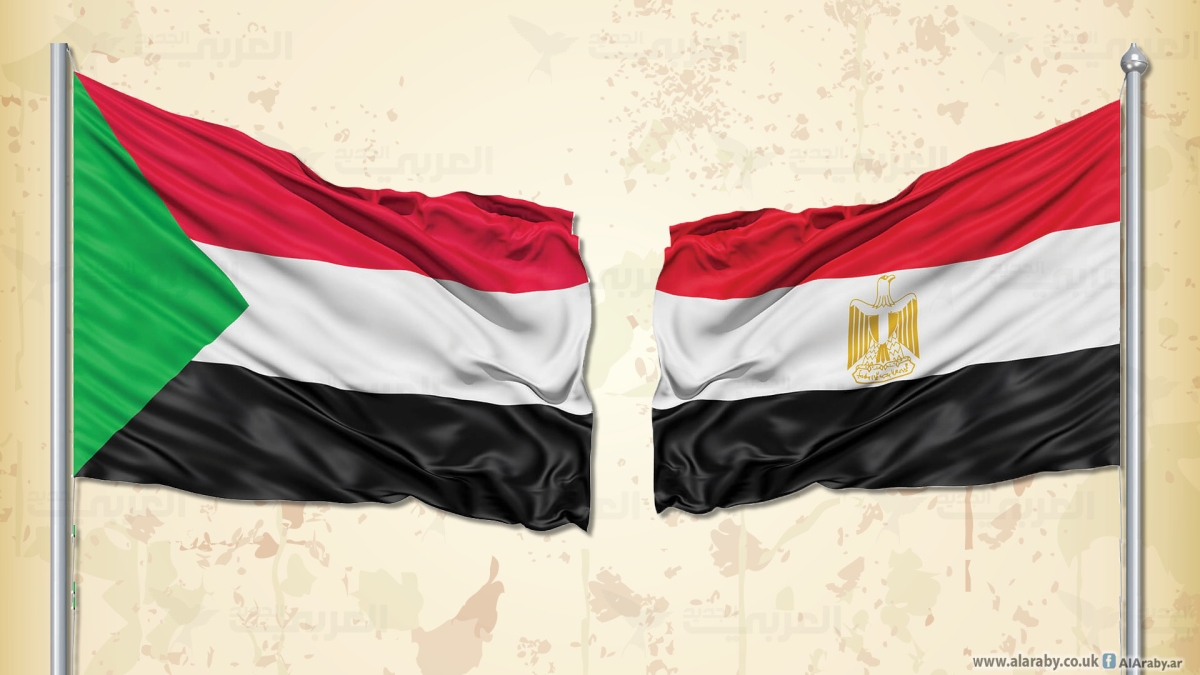
Egypt and Sudan affirmed the link between their water security and rejected any unilateral actions in the Nile basin
Translated by Alqyas from Al-Jarida — Original source
Egypt and Sudan have affirmed that their water security is interconnected as an indivisible whole, and they firmly rejected any unilateral measures or moves in the Eastern Nile Basin that could harm the water interests of the two downstream countries or threaten their water security.
The Egyptian Cabinet stated in a statement on Thursday that this position emerged during talks held by Prime Minister Dr. Mostafa Madbouly with Sudan’s Transitional Prime Minister Kamal Idries, which focused on ways to strengthen bilateral relations and consult on regional issues of mutual interest.
The statement clarified that both sides agreed on the necessity of protecting the water security of Egypt and Sudan as downstream states of the Nile River, and on joint efforts to preserve the full water rights and uses of both countries in accordance with the 1959 Agreement and international law. They also emphasized the need for complete coordination and alignment of positions in various regional and international forums concerned with Nile River issues.
The two countries called on Ethiopia to abandon its unilateral approach and adhere to the rules of international law governing the use of shared rivers, particularly the principles of prior notification, consultation, and no significant harm, as well as cooperation to ensure the sustainability of this great river, which should serve as a source of cooperation and prosperity for all.
They also reaffirmed their continued joint efforts to work with sister Nile Basin countries to restore consensus within the Nile Basin Initiative (NBI), within the framework of the ongoing consultative process with non-party states to the Cooperative Framework Agreement (CFA).
In this context, they welcomed the results achieved so far in the consultative process, particularly the report submitted by the NBI’s sub-committee, which recommended completing consultations to reach solutions, including the possibility of amending or adding protocols to the CFA to address the concerns of all Nile Basin countries.
The two countries expressed their rejection of any unilateral attempts to obstruct the consultative process, contrary to the shared desire of all Nile Basin countries to cooperate and achieve mutual benefit within a framework of solidarity and brotherhood.
They agreed to continue coordination and consultation through the Permanent Joint Technical Committee for Nile Waters, as established under the 1959 Agreement, which is tasked with studying and formulating a unified position adopted by the two countries on matters related to Nile waters. They emphasized the importance of ensuring the regular functioning of the committee and providing it with technical and logistical support to enable it to perform its duties as expected in safeguarding the shared interests of the two downstream Nile countries.
They also discussed developments in Sudan, where Egypt reaffirmed the red lines set by the Egyptian political leadership and expressed its full support for Sudan’s unity, territorial integrity, and national institutions.
Egypt stressed its firm and steadfast position supporting Sudan’s legitimate state institutions, including the Transitional Sovereignty Council chaired by General Abdel Fattah al-Burhan, the Kamal Idries government, and the Sudanese Armed Forces, considering them a fundamental pillar for preserving the state’s entity, unity, and the Sudanese people’s resources, as well as restoring security and stability.
According to the statement, both sides emphasized the importance of enabling Sudanese state institutions to fully assume their roles and supporting the Sudanese government’s efforts to extend state authority, restore normal life, and alleviate the humanitarian suffering endured by the Sudanese people as a result of the war imposed upon them. Idries appreciated Egypt’s supportive positions toward Sudan on various fronts, within the framework of the brotherly Nile Valley relations linking the two countries.
In this context, Egypt expressed its interest in supporting reconstruction projects across Sudan, particularly in the infrastructure, electricity, and water sectors, and conveyed its readiness to share Egyptian expertise in construction and building, as well as in rehabilitating and developing infrastructure. It also emphasized the need to activate the joint working team on Sudan’s reconstruction and expedite the formulation of its implementation programs.
Both sides agreed on the importance of holding upcoming bilateral engagements, including the Egyptian-Sudanese Business Forum, joint committees, exchanges of official and technical delegations, and the transfer of developmental expertise, all in service of the interests of the two countries and their peoples.
