Kuwaitizing the microphone and issuing an electronic media law
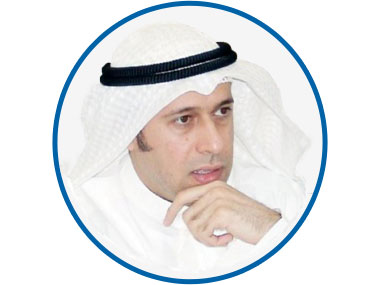
Calls are made for a law ensuring the Kuwaitization of media and oversight of electronic publishing.
Translated by Qiyas from الجريدة — Original source
When an invasion or coup occurs in any country where the Ministry of Information is seized, we all remember the Iraqi announcer “Abu Bakhal wa Shnab” during the invasion and his famous phrase, “Let the losers lose,” which spread terror. At that time, there was no such thing as the internet; so how much more so today, when one can destroy a state, spread fear and rumors, and infiltrate its institutions not through a Ministry of Information, but through electronic publishing and social media platforms. Each of these platforms functions as a miniature Ministry of Information, serving the worst purposes without oversight, with some controlled by fools and gangs who extort citizens and government officials.
The media weapon is a double-edged sword, and to control it, it must be in the hands of the country’s own sons. Therefore, stricter oversight is required over social media channels, whether licensed or unlicensed, which fall under the purview of the Electronic Publishing Administration at the Ministry of Information. Most of these channels are managed and controlled by non-Kuwaitis and expatriates who enter with their microphones as journalists and reporters to acquire the title of announcer and media personality. Some lack even a high school diploma, yet they speak and debate at conferences, issue reports in Kuwait’s name, dominate political coverage, gain access to government entities, and meet with officials to scoop and leak news. We do not know who supports them domestically and abroad, allowing them to become pressure groups to which government officials and private sector entities succumb in exchange for personal and material interests. Some even appear on monthly payment lists. Since the actual owners of most electronic channels are expatriates or non-Kuwaitis, Kuwaiti journalists are few in number and face hostility. Even the Kuwaiti identity card has been barred from news production, allowing non-Kuwaitis to take its place.
Why is a non-Kuwaiti allowed to control the reporter’s microphone, while most countries permit this only for their own citizens? When will there be a law that allows only Kuwaiti media personalities to appear in media and national coverage for the state, whether they work at the Ministry of Information or in private channels? The delay in issuing the new Kuwaiti Media Law and the halt on new licenses have opened the door to chaos among electronic publishing newspapers and channels.
To encourage Kuwaiti journalists, government officials, private sector employees, and any citizen or family member should give statements only to Kuwaiti media personalities. Unfortunately, our media no longer reflects us; its language is either that of an Arab expatriate or a broken dialect from those attempting to assimilate.
The Public Authority for Manpower, whose director stated two weeks ago that the final stages of Kuwaitization are under study, must expedite implementation. It should mandate that electronic media and publishing channels employ 75% Kuwaitis, and that all journalists covering political, governmental, sovereign, and social issues be citizens.
This is a message to the Ministry of Information to immediately Kuwaitize its journalists at television and radio, as well as its staff, particularly in sensitive positions. In November 2008, we published an article titled “Iran Infiltrates Kuwait Through the Ministry of Information,” which came as a shock to everyone and prompted an investigation. It revealed Iran’s request for cooperation in monitoring shortwave signals, despite a decision to contract with “Voice of America.” This exposed the presence of an Iranian national, a specialist engineer, working at the Kuwaiti Ministry of Information and serving on the committee that prepared the study and was tasked with implementing the signal monitoring project, thereby enabling espionage on all state and security signals.
