Health Minister: 126 kidney transplants in Kuwait since start of 2026, including 6 for children
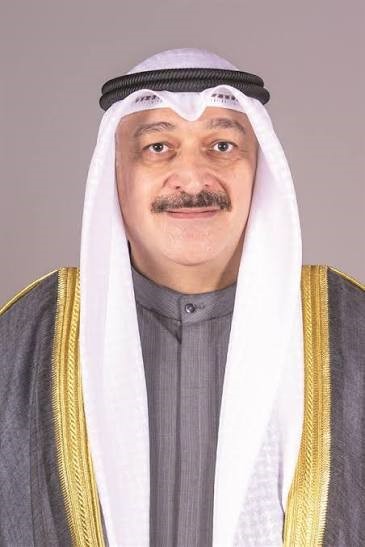
Health Minister Dr. Ahmed Al-Awadi confirmed Kuwait's success in developing kidney patient care and transplants, noting 126 procedures were performed by November 2026, including 6 for children, and the opening of a new dialysis center in Ahmadi.
Translated by Alqyas from Al-Anba — Original source
Kuwait’s Minister of Health, Dr. Ahmed Al-Awadi, affirmed on Thursday the country’s commitment to developing kidney patient care through integrated pathways, with kidney transplantation and dialysis at the forefront.
In his opening address at the specialized scientific program on kidney diseases, Minister Al-Awadi stated that integrating kidney health into primary healthcare services, particularly for high-risk groups, is a crucial step to curb disease progression and its complications.
He outlined the key efforts and achievements in Kuwait, which are pursued through three main pillars: kidney transplantation, dialysis centers, and service expansion. The program, which runs for three days, was attended by Dr. Marcelo Tonelli, President of the International Society of Nephrology, presidents of Arab societies for kidney diseases and transplantation, and a select group of specialists from within Kuwait and abroad.
Minister Al-Awadi noted that Kuwait’s kidney transplantation program began in 1979 and has been continuously developed over decades through infrastructure support, equipment modernization, and enhancement of medical expertise. In 2024, the Kuwait Center for Kidney Diseases and Transplantation was inaugurated in the Al-Sabah Medical Specialized Area, with a capacity of 80 beds. That same year, the national program performed 149 kidney transplants with a success rate exceeding 96 percent.
He added that in 2025, 129 transplant procedures were carried out, with 126 cases recorded by November 2026, including six pediatric surgeries. For the first time, children weighing less than 15 kilograms were included. Additionally, the national program launched a family-based kidney exchange initiative to broaden compatibility opportunities and improve patient outcomes.
Regarding the second pillar, dialysis centers, Minister Al-Awadi reported that approximately 2,600 patients in Kuwait receive dialysis, with 88 percent undergoing hemodialysis and 12 percent peritoneal dialysis.
He further mentioned that last August, the Sheikh Jaber Al-Ahmad Al-Sabah Kidney Dialysis Center was inaugurated in the Ahmadi Health Area, funded by a generous donation from the heirs of the late Emir Sheikh Jaber Al-Ahmad Al-Jaber Al-Sabah, may God have mercy on him. The center comprises 83 dialysis units, including 11 isolation rooms and four peritoneal dialysis rooms, with a capacity to serve approximately 500 hemodialysis patients and 100 peritoneal dialysis patients.
On service expansion, he noted that the number of beneficiaries receiving dialysis services in the Ahmadi Health Area reached approximately 519 patients, of whom 449 receive hemodialysis. The prevalence rate of long-term hemodialysis stands at 417 patients per million population.
He stated that these indicators reflect Kuwait’s commitment to providing specialized care based on quality and patient safety, highlighting the importance of continuing to expand capacity, upgrade dialysis centers, and enhance service efficiency.
He emphasized that kidney disease often progresses silently, making early screening of kidney functions essential for timely detection and management. He noted that the World Health Organization estimates the global number of people suffering from chronic kidney disease at approximately 674 million.
Minister Al-Awadi stressed that addressing this health burden requires investment in prevention and awareness, expanding access to diagnosis and treatment, supporting medical and nursing staff, and further developing dialysis and transplantation services.
For his part, Dr. Turki Al-Otaibi, Chairman of the Organizing Committee of the Conference and President of the Arab Society for Kidney Diseases and Transplantation, said in his address that the conference represents an opportunity to strengthen ties among Arab kidney disease societies and broaden cooperation with international scientific institutions.
He clarified that challenges in the field of kidney diseases and transplantation necessitate the integration of expertise, coordinated efforts, and joint work to advance medical education, scientific research, and the quality of services provided.
He noted that scientific research is among the highest priorities of the Arab Society of Nephrology and Kidney Transplantation, adding that the Arab Journal of Nephrology and Kidney Transplantation was launched starting in 2026, with three issues published so far.
For his part, Dr. Marcelo Tonelli, President of the International Society of Nephrology, praised the advanced scientific and clinical standards of nephrology in Kuwait, affirming that the country has become a major regional hub where the region convenes to discuss and enhance kidney patient care.
Tonelli stated that Kuwait possesses three fundamental pillars for leadership in this field, not only locally but across the entire region: clinical expertise, an active and vibrant professional society, and supportive government leadership.
For her part, Dr. Heba Rajab, President of the Kuwait Society of Nephrology, emphasized in her speech that kidney diseases are no longer merely medical challenges limited to diagnosis and treatment, but have become among the most prominent global public health challenges, given the continuous rise in incidence rates and their close association with other chronic conditions such as hypertension, diabetes, and obesity.
Rajab said that the danger of kidney diseases lies in many patients reaching advanced stages without obvious symptoms, making early detection and preventive intervention an urgent necessity that cannot be delayed. She stressed the importance of shifting focus from treating complications after they occur to adopting a proactive approach based on prevention, early diagnosis, and continuous follow-up.
She noted that the conference constitutes a distinguished scientific platform, featuring lectures, discussion sessions, and workshops where experts and specialists discuss the latest developments and challenges in the diagnosis, treatment, and transplantation of kidney diseases.
She commended the continuous support provided by the Ministry of Health to the healthcare sector and its interest in developing kidney disease and transplantation services, as well as providing diagnostic and therapeutic capabilities to deliver comprehensive care to patients.
She appreciated the patronage and attendance of Minister of Health Dr. Ahmed Al-Awadi at the conference, “which reflects the Ministry’s commitment to supporting continuing medical education, enhancing scientific research, and advancing precise medical specialties.”
