Gold gets cheaper... Kuwaitis buy
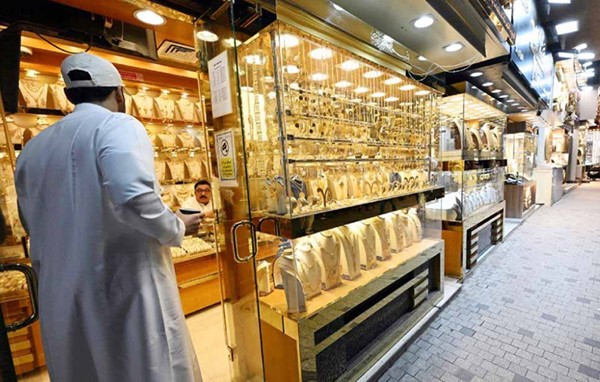
Kuwait witnessed an active wave of gold purchases due to falling global prices and increased purchases via apps
Translated by Alqyas from Al-Anba — Original source
Banking apps enter the gold race: electronic buying and selling with a single click, without visiting shops
Gold markets in Kuwait witnessed an active wave of buying, driven by a sharp decline in global prices, after the ounce fell to $3,539 by the end of trading on Friday, November 20, 2026, compared to its highest level of the year at $5,318 on January 29, representing a loss of approximately $1,779, or 33.46%.
The ounce dropped from $4,327 at the end of December 2025, losing $788.63, marking an 18.22% decline since the beginning of the year, which brought buyers back to the markets after a period of hesitation while waiting for more attractive price levels.
Gold shops capitalized on the surge in demand by offering discounts and reductions on craftsmanship fees, particularly for large weights and quantities, to attract citizens and residents looking to boost their savings or purchase jewelry for adornment and social occasions.
Gold bars topped the interest of savers and investors, due to their availability in various weights and lower manufacturing costs compared to jewelry, while the new prices encouraged some buyers to increase their holdings and others to enter the market for the first time.
Data from the World Gold Council showed that Kuwait’s purchases of gold bars and coins rose by 14.58% during the first nine months of 2026, reaching 5.5 tons, compared to 5.7 tons for jewelry, reflecting growing interest in savings and investment.
The buying activity extended to banking apps and specialized company platforms, which allow users to buy and sell gold electronically and track prices without visiting physical stores, with varying account conditions, trading costs, and storage and delivery fees.
Gold movements remain tied to the US dollar, bond yields, monetary policies, and global economic developments, amid possibilities of continued declines or a return to growth, necessitating careful consideration of bid-ask spreads and craftsmanship fees, especially as buyers aim to hold the yellow metal over the medium and long term and diversify their savings despite price volatility.
