Why Do We Love Bitter Coffee Despite the Brain Rejecting It?
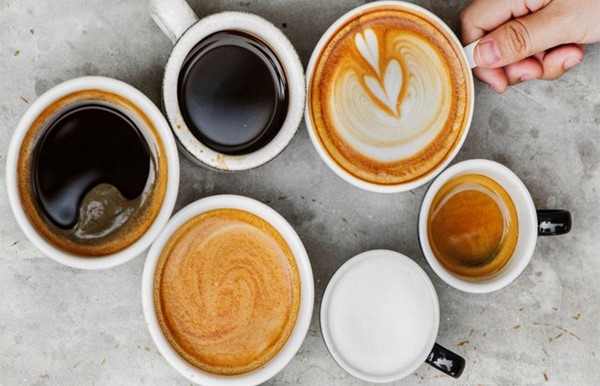
A study from the University of California reveals a slow dopamine pathway linking the digestive system to the brain, explaining the love for coffee despite its bitterness.
Translated by Qiyas from الأنباء — Original source
The first sip of black coffee rarely pleases anyone, as bitterness is a taste the brain instinctively avoids. Yet many people eventually reach a point where they eagerly await their morning cup. What changes between the first and subsequent sips?
A study from the University of California, San Francisco, published in Nature on the 4th, offers part of the answer. Researchers identified a slow dopamine pathway, a neurotransmitter linked to reward and learning, that connects the digestive system to the brain.
When nutrients such as sugar and fats reach the intestines, specialized sensors detect them and send signals that gradually release dopamine in a small region of the amygdala. This response lasts for several minutes. In this way, the brain links the flavor to the benefit that follows.
In experiments with mice, the animals lost their ability to learn to prefer a new flavor when scientists disrupted this pathway. When the pathway was artificially activated, the mice developed a preference for a flavor containing no calories.
Brain imaging revealed the same pattern in humans, with a surprise the team has yet to explain: the response was clearly stronger in the left side of the brain.
According to Zachary Knight, the study’s lead researcher, when the brain associates the taste of coffee with the stimulating effects of caffeine, it begins to find it more delicious.
