Al-Turki: Digital Transformation and AI Are Pillars for Business Growth and Competitiveness
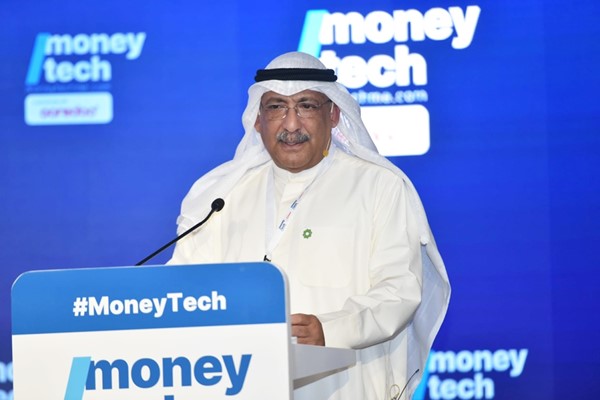
The Deputy CEO of Kuwait Finance House Group emphasized that digital transformation and AI are essential pillars for economic growth, focusing on cybersecurity and supporting Vision 2035.
Translated by Qiyas from الأنباء — Original source
Haitham Al-Turkistani, Deputy Chief Executive Officer for Technology and Operations at Kuwait Finance House (KFH), stated that digital transformation has transcended the concept of providing services through applications and digital platforms to become one of the fundamental pillars of modern institutional operations, contributing to accelerating transactions, boosting productivity, and enhancing business efficiency. He emphasized that discussions regarding the future of investment and economic growth are now closely linked to technological advancements and investment in innovation.
Al-Turkistani added in his speech during the fifth edition of the MoneyTech 2026 Summit, organized by Al-Jarida newspaper, that the summit’s themes address pivotal issues, foremost among them being “Investment in Times of Uncertainty.” This topic is currently imperative for economies and financial markets, as the challenge no longer extends merely to coping with market volatility but also encompasses maintaining investment flows, supporting productive sectors, and achieving a balance between seizing opportunities and managing risks.
Artificial Intelligence
Al-Turkistani clarified that artificial intelligence represents an advanced stage in the evolution of the financial sector, given its significant capabilities in data analysis, enhancing customer experience, automating processes, and strengthening risk management and early fraud detection. He noted that KFH views artificial intelligence as a primary driver of innovation and productivity, within the framework of responsible technology usage and commitment to data governance and transparency, thereby delivering tangible impacts on business development and enhancing customer experience.
Cybersecurity
Al-Turkistani underscored the importance of cybersecurity amid the rapid expansion of the digital economy. He pointed out that the significance of cybersecurity and operational resilience increases with the growing reliance on digital services, as customer and investor trust is linked to institutions’ ability to safeguard funds and data, ensure transaction integrity, and guarantee service continuity. He stressed that investment in protection and operational readiness has become a key factor in enhancing the stability of the financial sector and addressing various challenges. He explained that an institution’s ability to continue providing services strengthens market confidence in the financial system, and that operational resilience is built before crises through reliable infrastructure and effective response and recovery capabilities.
Wealth Management and FinTech
Al-Turkistani stated that small and medium-sized enterprises (SMEs) and startups represent a crucial source for diversifying the economy and creating jobs, and require partnerships that combine the expertise of financial institutions with the innovations of entrepreneurs. He added that the summit’s coverage of topics such as wealth management, FinTech, venture capital, and entrepreneurship reflects the distinctiveness of its themes and their alignment with changes in the banking and economic landscape at local, regional, and global levels.
Linking Investment Opportunities with Financing
Al-Turkith emphasized that economic responsibility constitutes an integral part of Kuwait Finance House’s role toward its clients, the national economy, and the markets in which it operates. He noted the bank’s commitment to leveraging its financial, operational, and technological capabilities, as well as its regional and international network, to support clients, finance the real economy, and develop solutions that combine innovation, reliability, and good governance.
He added that the expansion of Kuwaiti financial institutions into regional and global markets creates greater opportunities for exchanging expertise, building partnerships, and linking investment opportunities with appropriate financing, thereby enhancing Kuwait’s economic presence and supporting sustainable development.
He clarified that Sharia-compliant financing and investment instruments, foremost among them sukuk, play a crucial role in diversifying funding sources and expanding investment options. He pointed out that the success of financial institutions is not measured solely by their financial results, but also by the value they add to the economy and society.
700 Million Electronic Banking Transactions
He highlighted Kuwait Finance House’s continued efforts to develop its digital services, upgrade its infrastructure, and streamline procedures to align with customer expectations and evolving banking behaviors. He noted that bank clients executed more than 700 million electronic banking transactions by the end of the third quarter of 2026, reflecting shifts in customer behavior, the growing reliance on digital services, and technology’s capacity to facilitate economic activity, save time and effort, and enhance service delivery efficiency.
Human Capital
He added, “The future we aspire to does not rely solely on technology and capital; it also requires investment in human capital. Developing national competencies and enhancing their financial and technological skills forms the foundation for innovation, maximizing the benefits of modern technologies, and transforming them into sustainable value.” He affirmed that Kuwait Finance House places great emphasis on developing national talent, strengthening their professional and technical capabilities, and providing a work environment that fosters innovation and continuous learning.
Business Continuity Support
Al-Turkith explained that the role of financial institutions extends beyond providing financing; it also involves helping investors and companies make informed decisions and offering solutions that support business continuity and contribute to sustainable economic growth. He pointed out the importance of attracting regional wealth and investments and directing them toward promising opportunities in Kuwait and the region. He praised the summit’s significance in bringing together leaders from the financial, investment, and technology sectors to discuss opportunities and challenges and to formulate shared visions for the future of the national economy.
Vision 2035
Al-Turkith noted that the summit holds national and economic significance that aligns with the objectives of “Kuwait Vision 2035,” which aims to strengthen Kuwait’s position as an attractive financial and commercial hub for investment and to increase the private sector’s contribution to development. He explained that this vision enhances the role of financial institutions in mobilizing savings, financing productive projects, empowering companies, and linking investors with economic opportunities, thereby transcending the traditional role of banking services. He added that enhancing Kuwait’s financial standing requires an attractive business environment, clear regulatory frameworks, advanced services, and sustained confidence in institutions and markets. He emphasized the importance of directing capital toward productive projects and activities that contribute to diversifying income sources and enhancing economic growth, thereby benefiting investors, society, and the national economy.
Importance of the Summit
Al-Turki expressed his hope that the topics discussed at the summit would enrich dialogue and facilitate the exchange of expertise, leading to practical visions that support the future of Kuwait’s financial and economic sectors, particularly in light of rapid economic and geopolitical shifts and the challenges they pose to markets, financing costs, and operational expenses. He noted that these changes underscore the importance of building a diversified economy, more resilient financial institutions, and an investment environment capable of attracting capital and turning challenges into opportunities for growth. In conclusion, Al-Turki emphasized the need to translate the summit’s outcomes into practical partnerships and initiatives that bring together financial institutions, investors, entrepreneurs, and policymakers, thereby enhancing Kuwait’s competitiveness and reinforcing its economic standing. He also expressed Kuwait Finance House’s pride in continuing its strategic partnership with this event.
