Ministry of Oil: Digital Transformation Key to Enhancing Operational Efficiency and Developing the Oil Sector
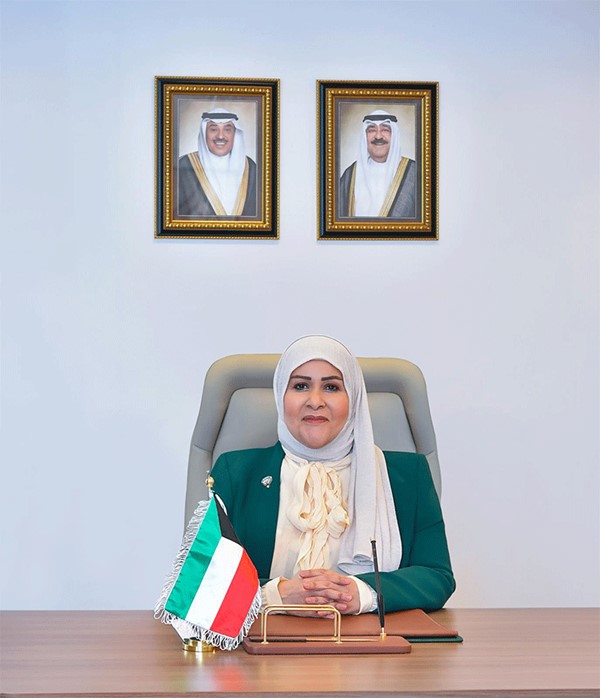
The Ministry of Oil affirmed that digital transformation enhances operational efficiency, while Kuwait Oil Company outlined its CodeV digital project.
Translated by Qiyas from الأنباء — Original source
The Ministry of Oil confirmed that digital transformation represents one of the key pathways for developing the operational framework within the oil sector, given its advanced capabilities to enhance operational efficiency, improve data accuracy, and accelerate decision-making.
This statement was made by Sheikh Tamadur Khaled Al-Ahmad Al-Sabah, Director of Public Relations and Petroleum Media at the Ministry of Oil, during a virtual panel discussion organized by the ministry on Monday, titled “Kudif: How Are Oil Fields Managed Using Smart Technology?” During the session, she presented the Kuwait Integrated Digital Field (Kudif) project, which is under the Kuwait Oil Company.
Sheikh Tamadur Al-Sabah noted that the future of the oil industry is increasingly tied to its ability to leverage modern technology and convert operational data into practical tools that support performance and productivity. She emphasized that investment in technology and human capital constitutes two integrated pillars for building a more efficient oil sector capable of responding to future challenges.
She stated that the Ministry of Oil places special emphasis on raising awareness about digital projects and smart applications in the oil sector, highlighting national experiences that demonstrate the capacity of Kuwaiti technical and engineering expertise to keep pace with technological advancements and apply them to improve the work environment.
She added that the Kudif project represents an important model for the practical application of digital transformation in Kuwait’s oil industry, by integrating data and operational systems into a unified framework that enables monitoring of field and well performance and supports coordination among various technical disciplines. This reflects the importance of transitioning from traditional operational management methods to a digital environment based on accurate information and continuous analysis.
For their part, Ahmed Al-Zidan, Chief Petroleum Engineer at the Kuwait Oil Company, and Abdullah Al-Mousawi, Engineer, presented the Kudif project under the North and West Kuwait Directorate of the Kuwait Oil Company. They noted that the project aims to provide a smart, proactive system to support decision-making and assist the company in addressing operational challenges and achieving its strategic objectives through collaborative work approaches that bring together various technical disciplines.
They clarified that the project aligns with Kuwait Oil Company’s 2040 strategy, which includes developing a digital strategy and implementing a digital transformation framework to achieve operational excellence by leveraging modern technologies to enhance oil field management, improve operational monitoring, and analyze data. They also outlined Kuwait Oil Company’s operational areas, which include North Kuwait, West Kuwait, South Kuwait, and East Kuwait, as well as heavy oil and gas operations. They noted the multiplicity of production facilities, boosting stations, and water facilities, along with the technical and operational requirements associated with these operations, which necessitate the presence of integrated digital systems to support monitoring and coordination.
Regarding the historical phases of the project, Al-Zidan and Al-Mousawi stated that the digital transformation journey began with the first workshop in 2007, followed by a pilot implementation phase in 2009 that covered 49 wells, before transitioning to the establishment of the main center in Ahmadi in 2012. They mentioned that the project underwent successive expansions, with the number of wells covered by the system reaching 183 in 2013, then rising to 1,200 wells in 2016, and exceeding 2,500 wells in 2022 as part of an expansion phase aimed at covering all wells.
They said the project’s journey included the establishment of the field center in Rawdatain in 2024, before the system’s coverage expanded to include more than 5,000 wells in 2025, with an expansion of operations in West Kuwait and heavy oil, reflecting the gradual development in the scope of applying digital systems within oil operations.
They emphasized that one of the key operational advantages of the project is the ability to analyze various data related to wells from multiple sources on a continuous, round-the-clock basis, alongside providing information and reports on well performance and pipeline and production networks to employees at their various work locations using modern devices and digital applications, while maintaining the confidentiality and accuracy of information. This contributes to saving time and effort and facilitates access to operational data.
They added that the system is characterized by the rapid extraction of results and reports in various formats tailored to the needs of specialized employees, as well as providing modern means of communication, performance monitoring, and work organization among the company’s different departments, even in cases where operational sites are distant or information transfer is difficult.
They pointed out that the project relies on a team comprising representatives from various company departments, which enables unifying the vision regarding work plans and enhancing coordination among technical specialties to achieve common goals.
They clarified that KODIF contributed to reducing costs and improving work quality by organizing drilling rig distribution operations, which helps save operational expenses and increases the capacity of rigs to accommodate a larger number of wells. It also helped develop well and production center monitoring operations around the clock by relying on broader operational information and modern alert systems to detect discrepancies in data received at the smart field, thereby enhancing the ability of specialized teams to monitor operations.
