GCC Statistical Center: 75.7 million tourists visited Gulf countries in 2025
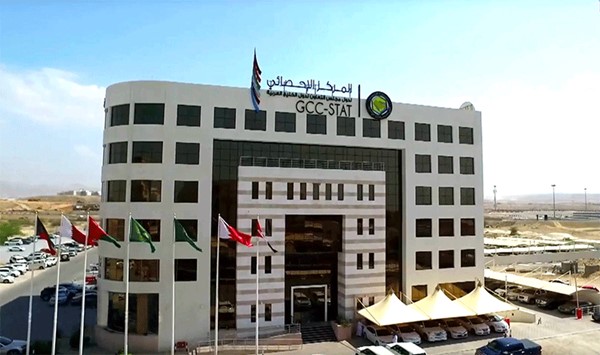
The GCC Statistical Center announced growth in tourist arrivals and tourism revenues in Gulf countries in 2025, driven by enhanced digital infrastructure.
Translated by Qiyas from الأنباء — Original source
The Statistical Center of the Gulf Cooperation Council (GCC) countries announced on Sunday that the recent growth in tourism indicators across the GCC states underscores the importance of the tourism sector as a pillar of economic diversification and its role in stimulating investment, creating jobs, and enhancing the contribution of non-oil activities.
In a weekly bulletin titled “Gulf Tourism in the Era of Smart Transformation,” the Center noted that tourism indicators in GCC countries showed growth in tourist arrivals, tourism revenues, and hotel establishments in 2025, alongside the development of digital infrastructure, the adoption of emerging technologies, and the expansion of digital government services, all of which enhance the competitiveness of the tourism sector.
Regarding the growth of these indicators, the Center stated that tourist arrivals to the GCC countries reached 75.7 million in 2025, representing a 4.9 percent increase compared to 2024. Total tourism revenues amounted to $131.9 billion, reflecting an annual growth rate of 9.7 percent. Meanwhile, intra-GCC tourist movements reached 20.1 million, marking a 3.6 percent growth.
During the same year, the total number of hotel establishments in the GCC countries reached 12,400, an increase of 4.8 percent compared to 2024. The Center emphasized that this “reflects the expansion of the sector’s operational base and its growing capacity to absorb demand, alongside the diversification of accommodation options and services offered to visitors.”
The Center affirmed that these indicators highlight the importance of tourism as a driver of economic diversification in Gulf countries, given its linkage to a wide range of activities including transport, aviation, hospitality, retail, entertainment, and services, as well as its role in stimulating investment, creating employment opportunities, and boosting the contribution of non-oil activities to their economies.
On the development of digital infrastructure, the Center pointed out that the growth in tourism indicators coincides with advancements in digital infrastructure, the adoption of emerging technologies, and the expansion of digital government services, which enhance the competitiveness of the tourism sector and support the transition toward smarter, more integrated, and sustainable tourism experiences.
In this context, the Center presented three key indicators reflecting the level of digital readiness in GCC countries and their role in reshaping the future of tourism and developing services and experiences. It noted that these countries scored between 34 and 99 points on the “Adoption of Emerging Technologies 2025” index, with three Gulf countries ranking among the top 20 globally in the same index.
The Center added that GCC countries achieved scores between 60 and 77 on the “Mobile Application Development 2025” index, reflecting the availability of a digital foundation that can be leveraged to develop innovative tourism applications. These applications facilitate visitors’ access to information and services and enhance the quality of their experience before, during, and after their trips.
Regarding the “Online Government Services 2025” index, the Center stated that GCC countries scored between 56 and 99 points, with three of them ranking among the top 25 countries globally. This “highlights the importance of digital government services in facilitating travel, accommodation, and tourism-related procedures, and improving the efficiency of services provided to visitors.”
The Center clarified that these indicators demonstrate that digital transformation has become a “key pillar” for enhancing the competitiveness of Gulf tourism by leveraging data, artificial intelligence, and digital applications to understand tourist needs, forecast demand, and develop more personalized services. This also improves destination management and resource utilization efficiency, thereby supporting sustainability and elevating visitor satisfaction levels.
In this regard, the Center emphasized the importance of strengthening digital integration among the Gulf Cooperation Council (GCC) countries and developing shared platforms that link booking, transportation, events, and tourism information services, thereby enabling visitors to enjoy a smoother and more integrated Gulf experience and contributing to encouraging intra-regional tourism and maximizing the benefits of the diverse natural, cultural, heritage, and recreational assets possessed by the countries of the region.
It is worth noting that the Statistical Center of the Gulf Cooperation Council, headquartered in the Sultanate of Oman, was established in 2011 to serve as the official authorized body for data, information, and statistics related to the GCC countries, in addition to its role in enhancing statistical and informational work among the national statistical centers and planning authorities within them.
