Al-Awadi: Cosmetic surgery is not limited to improving appearance but includes treating burns and reconstruction after tumors
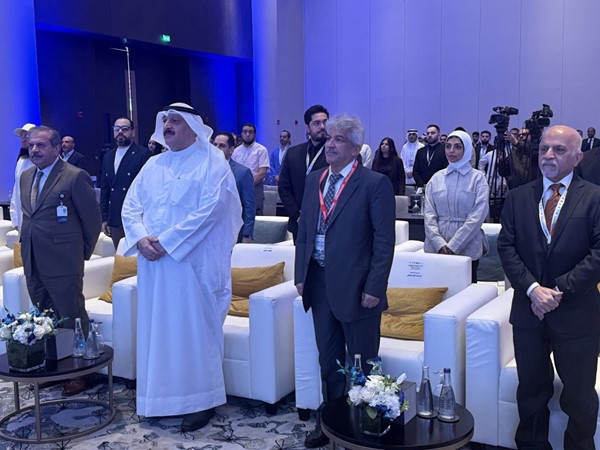
Health Minister Ahmed Al-Awadi emphasized the importance of developing the specialty of plastic surgery and burn treatment during the opening of the Kuwait conference, praising the role of the Saud Al-Babtain Center and artificial intelligence technologies.
Translated by Qiyas from الأنباء — Original source
AbdulKarim Al-Abdullah
Minister of Health Dr. Ahmed Al-Awadi emphasized the importance of continuing to develop the specialty of plastic and reconstructive surgery and cosmetic medicine, and enhancing scientific cooperation and the exchange of expertise among physicians and specialists. This, he noted, contributes to elevating the quality of healthcare services provided to patients and keeping pace with the latest medical advancements and developments in this field.
This statement was made in a speech delivered by the Minister during the opening of the Kuwait Conference on Plastic and Reconstructive Surgery and Cosmetic Medicine, titled "Between East and West," on Friday. The conference features a select group of medical experts from Kuwait, the region, and the world, and is attended by Conference President Dr. Mohammed Khalaf, along with numerous heads of scientific associations and bodies, physicians, consultants, and researchers.
Al-Awadi stated that the conference embodies the value of scientific communication and the exchange of expertise, providing a platform to discuss rapid developments in this specialty and explore ways to leverage them to improve healthcare quality and ensure patient safety.
He clarified that plastic and reconstructive surgery is an important medical specialty that extends beyond purely cosmetic procedures. It plays a fundamental role in treating burns, reconstructing tissues after injuries, correcting congenital defects, and performing reconstruction following tumor removal.
He highlighted the importance of regulatory and legislative frameworks that keep pace with the evolution of plastic and reconstructive surgery and cosmetic medicine. These frameworks should define qualifications and scopes of practice, set requirements for healthcare facility readiness, establish guidelines for informed consent and medical advertising, and outline mechanisms for documenting products and reporting complications.
Al-Awadi stressed that sound regulation protects patients, safeguards the profession, and enhances public trust in healthcare services.
He expressed pride in the achievements of the Saud Al-Babtain Center for Burns and Plastic Surgery since its inception in 1991, noting it as one of the first specialized centers in the region.
He revealed that the center receives more than 20,000 patients annually and performs approximately 1,200 advanced surgical procedures. This achievement reflects the magnitude of the responsibility undertaken and the competence of national staff, as well as the specialized care provided in burn treatment and reconstructive surgeries.
The Minister pointed to the opportunities offered by artificial intelligence and robotics to enhance surgical planning, training, and practice. He emphasized that the deployment of these technologies must be linked to assessments of their efficacy and safety, responsible medical supervision, and the protection of patient data.
He stressed that while technology enhances a physician’s expertise, the responsibility for decision-making and patient care remains at the core of medical practice.
Al-Awadi affirmed that the convergence of expertise from the East and the West gains its true value when it leads to sustainable collaboration, applicable knowledge, training that improves practitioner efficiency, and higher-quality, safer care.
He expressed his hope that the conference’s proceedings would yield scientific and professional recommendations that contribute to developing the specialty and enhancing patient services in Kuwait and the wider region.
He concluded his speech by thanking the conference organizers and participants, wishing the event success.
For his part, Dr. Mohammed Khalaf, President of the "Between East and West" Conference on Plastic and Reconstructive Surgery and Cosmetic Medicine, stated that rapid scientific and technological developments, led by artificial intelligence and robotic surgery, have brought about a qualitative leap in the field of plastic and reconstructive surgery and cosmetic medicine. These advancements have contributed to improving medical procedures and their outcomes, enhancing safety and quality standards, and reducing potential post-surgical complications.
In a speech delivered during the conference opening, Khalaf said the event represents an important scientific platform that brings together a select group of experts, consultants, and specialists from Kuwait, the Gulf Cooperation Council countries, Arab and Asian nations, and Europe. The goal is to exchange knowledge and expertise and discuss the latest developments and innovations in plastic and reconstructive surgery and cosmetic medicine.
He clarified that the choice of the conference slogan, “Between East and West,” reflects the importance of building bridges of communication and scientific cooperation among global medical centers, and of leveraging international experiences and expertise to arrive at scientific recommendations that contribute to the development and implementation of medical practices in the State of Kuwait, in accordance with the highest medical and ethical standards.
He pointed out that the significant advancements in this specialty require continuous adaptation to the latest technologies and therapeutic methods, thereby contributing to elevating the level of health services provided to patients and achieving optimal therapeutic and cosmetic outcomes, while placing patient safety and satisfaction at the forefront of priorities.
Khalfan praised the support provided by Minister of Health Dr. Ahmed Al-Awadi for the development of the health sector and the enhancement of scientific initiatives, particularly the move toward integrating artificial intelligence and robotic surgery technologies across various surgical specialties, including plastic surgery. This aligns with global developments and contributes to improving the efficiency of medical services.
He expressed his appreciation for the lecturers and experts participating in the conference, commending their commitment to attending and sharing their scientific expertise despite the circumstances the region is currently experiencing. He also expressed his regret that some participants were unable to attend due to these conditions.
He commended the efforts of the scientific and organizational committees, as well as all staff involved in preparing the conference, emphasizing that the success of such scientific gatherings reflects the importance of joint efforts and cooperation among various entities concerned with advancing medical practice.
Khalfan expressed his hope that the conference outcomes would enhance scientific cooperation between the East and the West, facilitate the exchange of best practices and expertise, and provide insights into the future of plastic and cosmetic surgery. This would ensure the delivery of safe, advanced healthcare grounded in science, expertise, and innovation, with patient safety and satisfaction at the top of the priorities.
