Red Crescent: Gulf Red Crescent Day Embodies Unity of Humanitarian Message and Enhances Joint Giving Journey
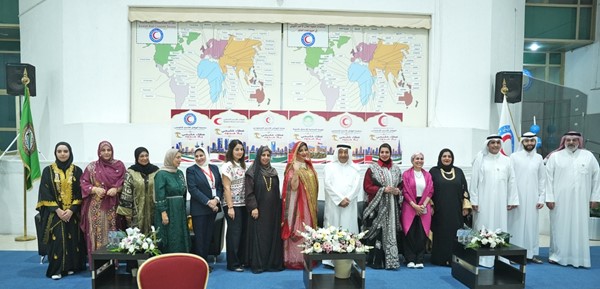
Khaled Al-Mughams emphasized that the Gulf Day reflects the depth of cooperation between Gulf societies in humanitarian work.
Translated by Qiyas from الأنباء — Original source
Kuwait Red Crescent Society Chairman Khalid Al-Mughams affirmed that the Gulf Red Crescent Day embodies the unity of the humanitarian message of the Gulf Cooperation Council (GCC) states and reflects the depth of cooperation and integration among Gulf Red Crescent bodies and societies in enhancing relief efforts and expanding the scope of response to humanitarian needs around the world.
Speaking to KUNA on the occasion of the Society’s celebration of Gulf Red Crescent Day, which falls on October 23 each year under the theme “Boundless Gulf Giving,” Al-Mughams said that this occasion reflects the shared values of solidarity, mutual support, and giving among GCC states, and underscores the vital role of Gulf humanitarian institutions in supporting those affected by crises and disasters, as well as in consolidating the principles of volunteerism.
He clarified that, on this occasion, the Society has set up special pavilions for each Gulf state, showcasing the key achievements and accomplishments of Gulf Red Crescent bodies and societies through photographs, artistic paintings, and documentary films that document their relief and humanitarian efforts. The event also features participation by specialized artists in live drawing sessions, in collaboration with the Kuwait Association of Artists and Journalists.
Al-Mughams added that Red Crescent bodies and societies in GCC states form an integrated humanitarian system rooted in a long history of cooperation and joint coordination. They contribute to delivering aid, providing basic needs and healthcare to affected communities, and implementing developmental and awareness-raising programs that enhance their capacity to confront crises and recover from their impacts.
He highlighted the importance of developing GCC coordination mechanisms and exchanging expertise and successful experiences in disaster response, international relief, and social services, thereby contributing to improving the efficiency of humanitarian interventions and unifying resources and efforts to address the growing challenges faced by many regions worldwide.
Al-Mughams noted that GCC states have placed great emphasis on humanitarian, charitable, and volunteer work through supportive initiatives and decisions aimed at enhancing the performance of humanitarian institutions and promoting youth participation in volunteer activities. This has helped consolidate a culture of giving and expanded the presence of Gulf bodies and societies in relief and development fields, both locally and internationally.
He stressed that volunteers constitute a fundamental pillar of the success of Gulf humanitarian work, given their active role in implementing field programs and initiatives. He emphasized the importance of investing in youth capacities, training them, and developing their skills to ensure the sustainability of volunteerism and enhance its ability to keep pace with changes and evolving humanitarian needs.
He explained that designating October 23 each year to celebrate Gulf Red Crescent Day is a tribute to the efforts of volunteers and field workers in the humanitarian sector, and a commemoration of the first meeting of Gulf Red Crescent societies held in 1984 in Abu Dhabi, the UAE capital, which marked a significant milestone in the journey of joint humanitarian cooperation among GCC states.
