Planning Minister: Investment in Human Capital Tops Egyptian State Priorities
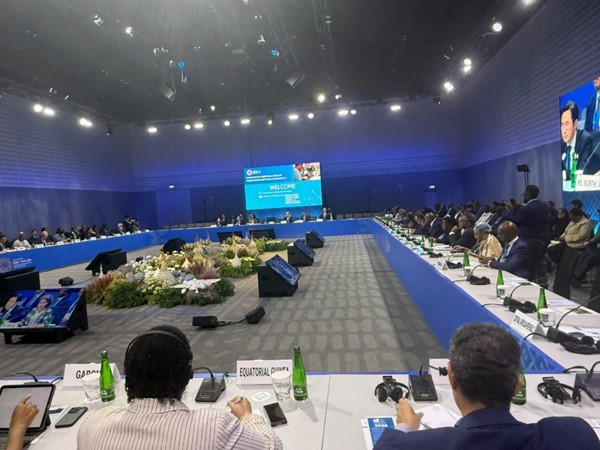
The Planning Minister emphasized the priority of investing in human capital and Egypt's improved ranking in human development.
Translated by Qiyas from الأنباء — Original source
Cairo - Nadeh Imam: Minister of Planning and Economic Development, Dr. Ahmed Rustom, participated in a high-level panel discussion titled “Private Investment in Skills Development in the Age of Artificial Intelligence,” as part of the intensive events of the Annual Meetings of the World Bank Group and the International Monetary Fund held in the Thai capital, Bangkok.
At the outset of his speech, he emphasized that the Egyptian state places investment in human capital at the top of its priorities, pointing to the notable improvement in Egypt’s ranking in the 2025 Global Human Development Report, where it advanced to become one of the “high human development countries,” surpassing the average of developing and Arab nations.
The Minister of Planning and Economic Development clarified that this achievement is the result of continuous increases in allocations directed toward the education and health sectors, as well as unprecedented expansion in the establishment of technology schools to graduate generations capable of keeping pace with radical transformations in the labor market.
He addressed the questions raised by the growing role of artificial intelligence, affirming that modern technology is designed to enhance human capabilities and increase efficiency and productivity, not to replace humans or take their place. He stressed that Egypt is adopting an integrated framework of policies to address skills gaps and enhance the integration of human and technological capabilities, thereby ensuring the competitiveness of the national economy in accordance with “Egypt Vision 2030.”
Dr. Rustom noted that creating an investment environment for skills requires genuine involvement of the private sector; therefore, the state is working to activate “Sectoral Skills Councils” in several priority sectors. These councils allow business owners to participate directly in setting professional competency standards and designing training programs, ensuring that educational outputs are linked to the actual needs of enterprises.
Dr. Ahmed Rustom praised the success of the Ministry of Education’s experience in expanding “Applied Technology Schools,” which integrate academic education with practical field training within private industrial and commercial facilities.
Regarding data governance, the Minister of Planning and Economic Development revealed Egypt’s cooperation with international partners to develop an integrated Labor Market Information System (LMIS). He highlighted the launch of the “Egyptian Career Outlook Portal,” in collaboration with the German Agency for International Cooperation (GIZ), the Ministry of Education, and the Ministry of Planning and Economic Development. The portal provides accurate data on 147 occupations covering 98.2% of employment sectors and tracks employment trends up to 2030, serving as a compass for students, job seekers, and policymakers.
Rustom concluded his speech by outlining the pillars of the “100 Million Learners” initiative, recently launched by the ministry in cooperation with Thunderbird School of Global Management at Arizona State University, as part of the “Alamein – Africa 2026” events under the patronage of President Abdel Fattah el-Sisi. The initiative aims to provide advanced educational pathways in management, leadership, entrepreneurship, and innovation, reaching 100 million learners by 2030. He affirmed that sustainable economic development cannot be achieved in isolation from building a workforce equipped with the tools of the future.
