Health Minister Launches National Early Childhood Initiative
&cropxunits=377&cropyunits=450&w=600)
Abdulkarim Al-Abdullah
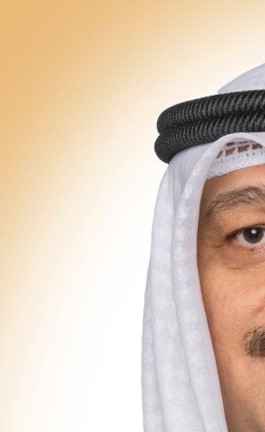
Health Minister Dr. Ahmed Al-Awadi affirmed that caring for children in their early years is a shared national responsibility, emphasizing that investing in childhood is an investment in the human capital that will carry Kuwait’s future. He noted that these formative years lay the foundations for health, learning, and communication, while a child’s capacities unfold and their relationship with the surrounding world begins.
Speaking at the launch ceremony of the National Early Childhood Initiative, Al-Awadi stated that the Ministry is working to ensure every child has access to supportive opportunities for growth and learning, while providing their families with the knowledge and services they need, recognizing the family as the primary partner in child care.
He added that the Ministry’s vision for child health begins with attention to the fetus before and during pregnancy, and after birth. This includes health counseling, pre-marital screening and associated guidance, and genetic assessment when necessary, all of which contribute to creating conditions for healthier pregnancies and reducing risks that could affect the mother and child.
He clarified that this care continues through newborn care, vaccinations, and monitoring of growth and development, thereby establishing early prevention as a cornerstone for the health of families and future generations.
Al-Awadi pointed out that Kuwait has achieved tangible progress in child health. According to the Kuwait file for Sustainable Development Goals indicators, published by the UN Statistics Division, the under-five mortality rate declined from 12.7 deaths per 1,000 children in 2000 to 8.8 deaths in 2023.
He stated that this progress calls for continued efforts to protect children’s lives and enhance their growth, learning, and quality of life. He explained that the initiative adds a structured pathway for monitoring child development and supporting families to the existing care system.
He noted that the initiative comprises two integrated programs: the National Developmental Screening Program and the “Bida” platform for early child development. He clarified that the National Developmental Screening Program relies on standardized tools, specifically the Ages and Stages Questionnaire, to monitor various aspects of child development, including communication, motor skills, problem-solving, and personal and social interaction.
He emphasized that this tool helps identify indicators that may warrant further assessment, but does not constitute a medical diagnosis in itself.
Al-Awadi added that the “Bida” platform provides parents and caregivers with practical knowledge to help them understand child development stages and enhance skills through play, interaction, and daily activities. He explained that the integration of the program and the platform links knowledge with service delivery, enabling families to understand what they observe and how to support their child, while the health team monitors development. A referral pathway is in place to direct children to assessment and care when needed.
Al-Awadi stressed the importance of encouraging families to seek counseling. He affirmed that children develop at different paces, and any indicator requiring follow-up should lead to understanding and support, while respecting the child and safeguarding the dignity and privacy of their family.
He explained that joint working teams from the Ministry of Health and Kuwait Finance House contributed to preparing the initiative, establishing referral pathways, developing knowledge resources, and training staff. He noted that 240 doctors have been trained and 95 health centers prepared, ahead of implementation according to a clear, phased plan with defined objectives and milestones.
He pointed out that well-child clinics in primary health care centers play a pivotal role in this pathway due to their proximity to families and the regular follow-up and early guidance they provide. He highlighted the integration of their services with pediatric departments and specialized centers to provide assessment, diagnosis, treatment, and rehabilitation according to each child’s needs.
He emphasized that the desired care requires collaboration among health, education, and social institutions, when efforts are integrated around the needs of the child and his family, expressing the Ministry’s pride in its partnership with National Bank of Kuwait (NBK), and what the NBK Specialized Children’s Hospital represents as a model of partnership in serving children’s health.
He stressed that launching the initiative carries the responsibility of monitoring implementation and evaluating its outcomes, and ensuring that awareness reaches families, affirming that the Ministry’s responsibility is to ensure that the impact of this progress reaches every family, and that every child receives the appropriate care for his needs, wherever he is in Kuwait.
Al-Awadi expressed his gratitude to the board of directors of National Bank of Kuwait, its leadership, and its teams, as well as to the joint teams and staff at the Ministry of Health who contributed to preparing the initiative. He also commended families for their trust and participation, and healthcare staff for their efforts in serving children.
He affirmed that the Ministry’s aspiration is for every child in Kuwait to receive the care they need, and for every family to find the support they deserve, stating that “Kuwaiti children are a trust in our care, and their care is a responsibility that shapes their future.”
