"Education": Issuance of 8,703 Transfer Decisions as Part of Workforce Distribution Reform Plan in the Educational Field
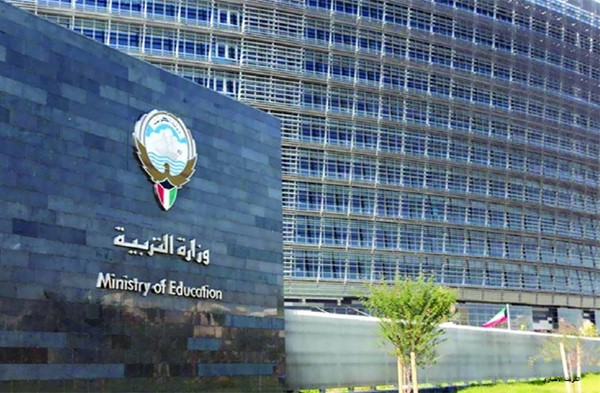
The Ministry of Education implemented a plan to redistribute 8,703 transfer decisions for teachers, supervisors, and assistant principals to achieve equity.
Translated by Qiyas from الأنباء — Original source
Alaa Khalifa
In the context of its ongoing efforts to develop the educational work system and enhance the efficiency of human resource utilization in the educational field, the Ministry of Education announced the actual implementation of decisions regarding the redistribution of teachers and supervisors among schools. This initiative is part of a comprehensive plan to reform workforce distribution, in accordance with the directives of Minister of Education Eng. Syed Jalal Al-Tabatabai. The measures aim to achieve balance and equity in the distribution of personnel based on the actual needs of schools, strengthen stability in educational institutions, and direct human resources to the most needy locations, thereby serving the interests of learners and improving the efficiency of the educational process.
The Ministry of Education clarified in a statement that the Educational Affairs Sector has begun issuing 8,703 transfer decisions as part of the redistribution procedures. These included 8,310 decisions for teachers of various specializations and 393 decisions for educational supervisors. The average transfer distance was 11.2 kilometers, in accordance with approved regulations and standards based on the actual needs of schools, the number of classrooms and students, educational quotas, and the approved organizational structure.
The Ministry indicated that the implementation of redistribution decisions contributed to raising the rate of addressing disparities in the distribution of teachers and supervisors among schools from 34% to 82%. This was achieved while ensuring that the average general transfer distance for relocated staff did not exceed 11.2 kilometers, reflecting a commitment to balancing the fulfillment of schools' actual needs with the job stability of educational personnel.
It was clarified that the remaining disparity is primarily linked to actual surpluses in certain specializations and subjects, such as Islamic Education and Physical Education. The number of teachers in these fields still exceeds the actual needs of schools even after completing the redistribution procedures, which limits the ability to fully address these surpluses through inter-school transfers in the current phase.
The Ministry affirmed its continued monitoring and handling of these cases according to actual needs and field developments, aiming to reach an acceptable level of balance, efficiency, and sustainability in workforce distribution.
The Ministry of Education emphasized that the redistribution decisions are part of an organizational and reformative measure based on a precise analysis of school data and needs. The goal is to address previous disparities and accumulations in personnel distribution, achieve greater equity in quotas and workloads among teachers, meet schools' needs, and make optimal use of available human resources. These efforts directly reflect on the stability and quality of the educational process.
The Ministry explained that among the cases addressed was a disparity in Arabic language teacher quotas between two middle schools for boys within the same educational zone. In one school, a teacher was assigned one classroom, whereas in the other, a teacher was assigned three classrooms. The redistribution of Arabic teachers between the two schools helped balance the number of teachers with the number of classrooms, achieving greater equity in quotas and workloads.
The ministry also clarified that the plan addressed disparities in the distribution of physics teachers between two boys’ secondary schools, where one school had only two physics teachers compared to eight in the other. Physics teachers were redistributed between the two schools in proportion to the number of classes, students, and actual needs, resulting in a distribution of personnel that is more consistent with educational requirements, ensures equity in teacher assignments, and guarantees the fulfillment of students’ needs.
The Ministry of Education noted that the corrective measures extended to educational supervisory positions. Data revealed that one kindergarten had 12 technical supervisors, who were subsequently redistributed to several other kindergartens with genuine needs, in accordance with the approved organizational structure. This move aims to maximize the utilization of supervisory expertise, help meet the needs of kindergartens, and enhance operational efficiency within them.
The ministry explained that the measures also included the redistribution of several assistant principals and department heads for various subjects among schools, based on actual needs and the approved organizational structure. This was done to address surpluses in some schools and fill gaps in others, complete the staffing of the organizational structure, and enable school administrations to perform their responsibilities efficiently and stably.
The ministry emphasized that these cases reflect the practical approach underpinning the redistribution plan, starting from identifying areas of surplus and need, comparing teacher assignments with the number of classes and students, and culminating in the reallocation of personnel according to actual demand. This makes redistribution an organizational tool that contributes to achieving equity among schools and teachers, meeting educational needs, and maximizing the use of available human resources.
It further noted that achieving an 82% completion rate represents an advanced stage in implementing the reorganization plan. Relevant authorities continue to review school data and specialties where teacher surpluses persist, working to address them in line with actual needs and approved standards and regulations, aiming to achieve the plan’s targets and consolidate a fairer, more balanced, and sustainable distribution of the workforce in the educational sector.
The Ministry of Education stated that transfer decisions are issued electronically to the concerned parties via the “Qararati” service on the ministry’s official website and the Ministry of Education app. It urged all individuals issued transfer decisions to review them, commence work at their new duty stations, and complete fingerprint transfer procedures in accordance with approved regulations, ensuring swift implementation of decisions and continuity of operations in schools.
The ministry stressed that the reorganization of the workforce falls within a vision aimed at enhancing school performance by aligning personnel distribution with the actual and evolving needs of the field. It affirmed that the success of these measures is not measured solely by the number of decisions implemented, but by their ability to create a sustainable balance between school needs and available personnel, thereby strengthening the readiness of educational institutions and supporting school administrations in fulfilling their roles as intended.
The Ministry of Education concluded its statement by emphasizing that the reorganization of the workforce is fundamentally driven by the best interests of learners and the needs of schools. It stressed that achieving equity in the distribution of teachers, supervisory staff, and teaching allocations constitutes a cornerstone for ensuring a stable school environment and high-quality education. The ministry reaffirmed its commitment to continuing to address disparities and surpluses based on accurate data and uniform standards, thereby ensuring that qualified personnel are directed to locations with actual needs, enabling schools to fulfill their missions efficiently, and establishing sustainable organizational solutions that prevent the recurrence of imbalances in human resource distribution in the future.
