Joint Gulf projects in energy
&cropxunits=450&cropyunits=246&w=770)
Kuwait’s Minister of Electricity, Water and Renewable Energy, Dr. Sabih Al-Makhzoum, affirmed that Gulf integration in the electricity and water sectors constitutes a strategic pillar for enhancing energy and water security and raising the preparedness of the Gulf Cooperation Council (GCC) countries to keep pace with future changes and needs.
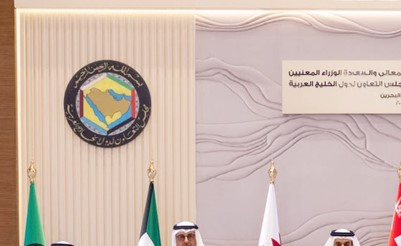
Speaking to KUNA on the sidelines of chairing Kuwait’s delegation at the 31st meeting of the Ministers’ Committee for Electricity and Water Cooperation among GCC member states in Bahrain, Al-Makhzoum expressed his conviction that developing the power interconnection system and advancing studies on water interconnection projects represent a strategic investment in resource security and sustainability.
For his part, GCC Secretary-General Jassem Al-Budaiwi confirmed that the outcomes of the Council’s 19th Consultative Meeting underscored the importance of strengthening the preparedness and capacity of GCC member states to confront crises and challenges, including studying the feasibility of building water interconnection projects among member states and continuing to enhance power interconnections.
He noted that total electricity production in GCC countries reached approximately 876,000 gigawatt-hours in 2025, an increase of 9.6% over the previous year, while desalinated water production amounted to about 8.5 billion cubic meters, reflecting a growth rate of 10.8%. Regarding Gulf power interconnection, he confirmed that financial savings achieved through power interconnection in 2025 exceeded $952 million, while cumulative savings since the project’s launch surpassed $5.2 billion.
For further details: The Minister of Electricity and Water emphasized, while chairing Kuwait’s delegation at the 31st meeting of Gulf ministers concerned with electricity, the importance of enhancing the preparedness of “GCC” countries to keep pace with future changes and needs. Al-Makhzoum stated that developing the power interconnection system and studying water interconnection projects constitute a strategic investment in resource security and sustainability.
Kuwait’s Minister of Electricity, Water, and Renewable Energy, Dr. Subaih Al-Mukhaimis, affirmed that Gulf integration in the electricity and water sectors constitutes a strategic pillar for enhancing energy and water security and raising the preparedness of the Gulf Cooperation Council (GCC) states to keep pace with future changes and needs.
This statement was made by Minister Al-Mukhaimis in an interview with KUNA on the sidelines of his chairing of the Kuwaiti delegation participating in the 31st meeting of the Ministers Committee for Electricity and Water Cooperation among GCC member states, hosted by the Kingdom of Bahrain.
Minister Al-Mukhaimis noted that the coming phase requires building on achieved cooperation and advancing toward more integrated and sustainable joint projects and initiatives. He stated, “What unites GCC states—shared destiny and integrated interests—provides us with a solid foundation to transition cooperation in the electricity and water sectors to broader horizons, turning common challenges into opportunities for development and enhancing preparedness.”
He expressed his conviction that developing the electricity interconnection system and proceeding with studies on water interconnection projects represent a strategic investment in resource security and sustainability, serving as a cornerstone for a safer, more stable, and prosperous future for GCC states and their peoples.
The meeting discussed several agenda items aimed at strengthening joint Gulf cooperation and integration in the electricity and water sectors. Key topics included updates on the Gulf electricity interconnection, ways to develop and enhance its utilization, and follow-up on the work of the GCC Electricity Interconnection Authority, all aimed at supporting the reliability and stability of electrical systems and raising the level of coordination and integration among GCC states.
The meeting also reviewed the progress of several joint GCC committees concerned with water resources, rationalizing electricity and water consumption, consumer services, and new and renewable energy. Additionally, it focused on following up on joint programs, initiatives, and events, and enhancing the exchange of expertise and experiences among member states in relevant fields.
In the water sector, the meeting discussed updates on water interconnection among GCC states, including studies on the feasibility of establishing water interconnection projects between GCC countries, and followed up on developments in bilateral water interconnection efforts. These initiatives aim to enhance Gulf coordination and integration in the water sector and support joint efforts to strengthen water security and raise preparedness to face future challenges.
The meeting also reviewed several upcoming Gulf initiatives and programs in the electricity and water sectors, including the Unified Gulf Forum for Electricity and Water Regulators for 2027, Gulf participation in relevant regional and international conferences and events, and the follow-up on the implementation of several Supreme Council decisions aimed at enhancing cooperation among GCC states.
Kuwait’s participation in the meeting underscores its commitment to supporting the trajectory of joint Gulf work and enhancing coordination and integration with GCC states in the electricity and water sectors. This contributes to the development of shared systems and infrastructure and enables efficient and sustainable responses to future challenges.
The Kuwaiti delegation included Dr. Adel Al-Zamil, Undersecretary of the Ministry of Electricity, Water, and Renewable Energy; Eng. Maha Al-Hajri, Director of the Water Facilities Administration; and other relevant officials from the ministry.
For his part, GCC Secretary-General Jassem Al-Budaiwi affirmed that the electricity and water sectors represent a strategic priority and a fundamental pillar in the journey of joint Gulf work, given their pivotal role in enhancing resource sustainability, securing the needs of GCC states, and raising preparedness to face changes and challenges.
He noted that the outcomes of the 19th Consultative Meeting of the Supreme Council, held in Jeddah on April 28, 2026, emphasized the importance of enhancing the preparedness and capacity of GCC states to face crises and challenges, including studying the feasibility of building water interconnection projects between GCC states and continuing to strengthen electricity interconnection. He stressed the necessity of translating these directives into practical steps and initiatives that elevate joint Gulf work to broader horizons of integration and preparedness.
Al-Budaiwi clarified that the current phase requires accelerating work on several priority tracks, foremost among them preparing for the growing demand for electricity and water. He pointed out that total electricity production in GCC states reached approximately 876 gigawatt-hours in 2025, an increase of 9.6% over the previous year, while desalinated water production reached about 8.5 billion cubic meters, representing a growth rate of 10.8%.
The Secretary-General also highlighted the importance of improving the efficiency of electricity and water systems through the development of production, transmission, and distribution facilities, and expanding the use of modern technologies and smart solutions. These measures contribute to reducing losses, improving operational efficiency, and maximizing the utilization of available resources and capabilities.
Regarding the Gulf electricity interconnection, he emphasized the importance of accelerating its projects and maximizing their economic returns. He noted that financial savings achieved from electricity interconnection in 2025 exceeded $952 million, while total savings since the project’s launch surpassed $5.2 billion, reflecting its strategic importance in enhancing energy security, improving the efficiency of the electricity system, and expanding energy trade among GCC states.
In the water sector, the Secretary-General affirmed that supply security and emergency preparedness remain among the primary priorities for GCC states. He highlighted the importance of continuing to study the feasibility of building water interconnection projects between GCC states, alongside existing bilateral interconnection projects. This aims to build a more capable Gulf system for dealing with exceptional circumstances and achieving optimal use of available water resources.
