Researches: Enhancing cooperation and integration between Gulf institutions in scientific, research, and technical fields of common interest
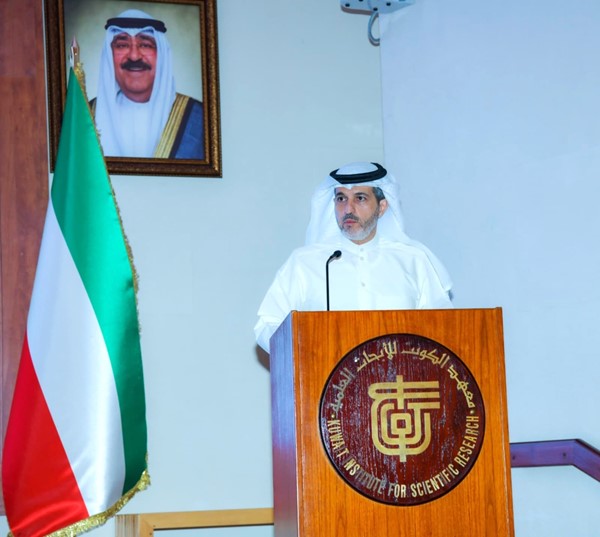
Darine Al-Alawi, Director General of the Kuwait Institute for Scientific Research (KISR), hosted a roundtable discussion for hydrogen experts from the Gulf Cooperation Council (GCC) countries, with the participation of a select group of experts and specialists in hydrogen and energy fields to examine regional trends, projects, and experiences in this vital sector.
In his opening remarks, KISR Director General Dr. Faisal Al-Humaidan stated that the selection of the Institute by the GCC Secretariat General as a platform for this meeting reflects the importance of enhancing cooperation and integration among Gulf institutions in scientific, research, and technical areas of common interest.
Al-Humaidan added that the energy sector is witnessing rapid global transformations amid climate change challenges and efforts to reduce carbon emissions and diversify energy sources toward carbon neutrality, thereby strengthening the role of scientific research and innovation in providing sustainable solutions that support decision-makers.
He clarified that hydrogen, particularly green hydrogen, stands out as one of the promising options within the future energy system due to its potential to contribute to emission reductions, support decarbonization, and enhance integration between renewable energy sources and various industrial sectors.
He noted that the roundtable provides an opportunity to showcase projects, initiatives, and research experiences in hydrogen production and its applications, exchange expertise, and discuss challenges and opportunities related to the development and localization of these technologies.
He expressed hope that the discussions would help crystallize shared visions, identify priority areas for cooperation, and outline a future roadmap that enhances the efforts of countries in the region to develop clean energy technologies, thereby supporting energy security, sustainability, and economic development.
Al-Humaidan emphasized KISR’s aspiration that this roundtable serve as a starting point for further cooperation among experts, researchers, and relevant institutions, yielding practical initiatives that contribute to the development of the hydrogen sector and strengthen its position in clean and sustainable energy fields.
He affirmed that the Kuwait Institute for Scientific Research will continue, in line with its mission and national and regional role, to support scientific research and innovation, build partnerships, enhance cooperation with specialized institutions and entities, and contribute to addressing climate change challenges and transitioning toward a more sustainable and efficient energy system.
The roundtable proceedings began with an opening lecture delivered by Dr. Fathouh Al-Rumaih, Acting Executive Director of the Energy and Building Research Center at KISR, which highlighted the importance of enhancing Gulf cooperation and exchanging expertise in the field of hydrogen and its growing role in the future energy system.
The event also included several specialized sessions covering the integrated assessment of green hydrogen production in Kuwait, Oman’s national strategy for the green hydrogen sector, a review of the UAE’s National Hydrogen Strategy 2050 and its experience, and prospects for GCC integration in the hydrogen economy.
The roundtable also featured a presentation on KISR’s research efforts to assess the feasibility of consuming green hydrogen in Kuwait’s power generation sector.
It concluded with a discussion session that brought together experts and specialists to exchange views and expertise and discuss challenges and opportunities related to developing the hydrogen sector and ways to enhance cooperation and integration among GCC countries in this field, thereby supporting energy sector transition pathways and achieving a more sustainable future for the region.
