Al-Najjar: “Housing” is plagued by “bureaucratic red tape” and “excessive formalities”
&cropxunits=338&cropyunits=450&w=770)
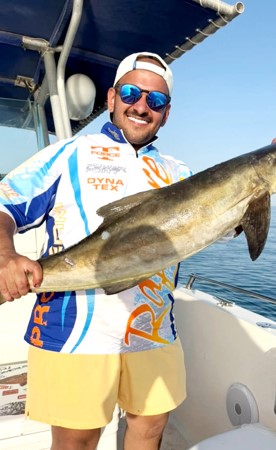
To begin, Muhammad Al-Najjar says: “I started falling in love with the sea, fishing, and its allure at the age of 15. My father is the one who taught me and instilled in me a passion for this beautiful hobby. Back then, we would go to the shalyeh with my cousins, and there I learned from him the basics of hadaq (traditional fishing) and fishing techniques, from casting the line to using the trawl net, the different seasons for various fish species, the types of bait, and the appropriate line thickness for each fish. Over time, my experience grew, and hadaq became one of the hobbies I truly enjoy. As I grew older, I became independent and started going out on my own, as well as with friends. At the same time, we exchanged experiences and knowledge among ourselves.”
Southern hadaq spots are the best for fishing
He adds: “Among the best fishing spots in southern Kuwait are Al-Tabaqanat, Qarwa’s seabed, and Umm Al-Muradim’s seabed, in addition to Ras Jaliya. These areas are well-known among hadaq practitioners and are characterized by a diverse range of fish species and varying fishing methods depending on the season and location. They are always a preferred destination for lovers of hadaq and sea fishing. The seabream (sibti) and the mullet (mizizi) are among the most popular fish among hadaq practitioners, and one of the best ways to catch them is night luffah (a specific fishing technique), especially near the Jaber Bridge and nearby areas. Luffah is done at night using a mirror lure and a hook.”
The grouper’s habitat is Umm Deira
Al-Najjar continues: “The best times to catch the grouper (hamour) are during periods of mild weather, especially at dawn or before sunset. The grouper is always found in areas such as Umm Deira, Qarwa’s seabed, and Umm Al-Muradim, where it prefers rocky and deep waters. One of the best ways to catch it is using the darya (a type of fishing gear) with live bait, while choosing the right location and time and exercising patience during hadaq. As for the snapper (shamahi), the best time to catch it is during the ebb tide, when its activity increases and it is easier to catch. The method I rely on most for catching it is jigging, as it is highly effective. Among the best locations where the snapper is found in southern Kuwait are Ras Jaliya and Al-Tabaqanat.”
The southern sea has diverse fish species
Al-Najjar adds: “The southern regions are among the best hadaq spots in Kuwait, with Ras Jaliya, Qarwa’s seabed, and Umm Deira being the most prominent. These areas are characterized by a great diversity of fish species, such as the red snapper (sakun), grouper, snapper, and the hairtail (shu’ari), making them preferred destinations for fishing and hadaq enthusiasts, especially during the appropriate seasons and with changes in sea conditions and tides.”
Tashkhit and jigging for the red snapper
He says: “The red snapper is found in southern hadaq spots such as Al-Zour and Al-Fintas, where suitable habitats and ocean currents help it gather. Among the best ways to catch it are tashkhit and jigging, but the method I have personally used most and achieved good results with is jigging, especially when choosing the right time and depth. The appropriate jig colors for it are pink and green. Catching the red snapper requires patience, focus, and monitoring the line’s movement so that the angler can handle the strike and pull the fish out correctly.”
Jigging is one of the best fishing methods
Al-Najjar adds: “Jigging is considered one of the best fishing methods currently available. It relies on using an artificial lure and moving it in a way that attracts fish, while choosing the appropriate time and depth. Most young people have turned to jigging and luffah, and some have abandoned traditional hadaq methods, due to the enjoyment and good results that jigging offers. Fishing with jigging requires patience, focus, and an understanding of sea movements.”
Conclusion
Al-Najjar concludes by saying: “I advise young people to take up the hobbies of jigging, hadaq, and luffah, as they are beneficial and enjoyable pastimes that combine the pleasure of the sea with acquiring new skills. Fishing is not just about catching fish; it also helps one learn patience, focus, and responsibility. It also provides an opportunity to escape the pressures of life and spend enjoyable time with family and friends. This hobby can also be a source of income, especially for those who develop their skills and learn the correct fishing methods and choose the appropriate locations and times. Therefore, I encourage young people to utilize their free time for jigging, hadaq, and luffah, while adhering to fishing regulations, protecting the sea, and not littering, so that this hobby remains enjoyable and beneficial for future generations. May God protect us all.”
