From Egg to Genome: Qatar Expands Efforts to Save the Houbara Bustard
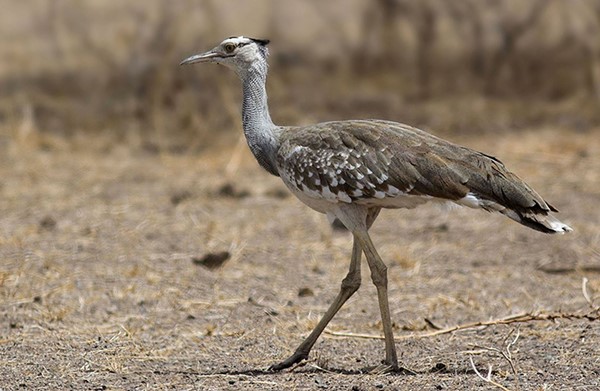
Qatar is continuing to develop a comprehensive program for the breeding and reintroduction of the Asian Houbara Bustard, integrating captive breeding techniques with genetic analysis to preserve genetic diversity and enhance the birds’ survival prospects after release into the wild.
According to Al Jazeera.net, the production season at the Rawdat Al-Faras Houbara Bustard Breeding Center begins in September and continues until June of the following year. This is preceded by a preparation phase involving the regulation of temperature, lighting, and diet to simulate natural conditions that stimulate reproduction. The center employs artificial insemination and specialized incubators before gradually acclimatizing the chicks, releasing them, and conducting field monitoring.
The program extends beyond simply increasing bird populations, as the center participates in an international genomic project aimed at building a high-quality genetic reference for the Houbara Bustard. This will assist researchers in studying kinship, genetic diversity, and geographic origins.
These efforts gain additional significance in light of a recent study covering 114 birds, which revealed clear genetic differences among Houbara Bustard populations. This underscores the necessity of considering genetic diversity in breeding and reintroduction efforts.
