4,200-year-old wall discovered at 7-meter depth in settlement comparable in size to Troy
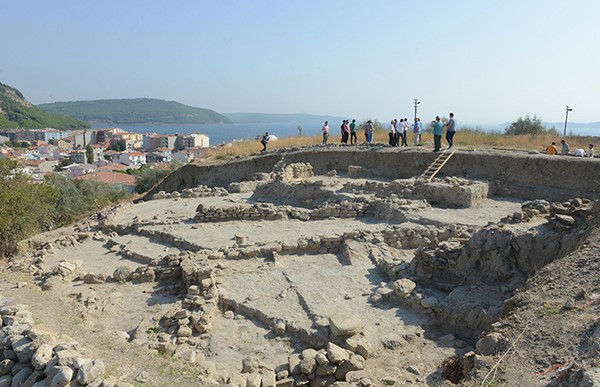
Archaeologists at the Maydos Kalesi Tepe site in İğneada, on the Gallipoli Peninsula in Turkey’s Çanakkale Province, have uncovered a section of a defensive wall dating back approximately 4,200 years, an discovery that sheds light on the size and significance of the settlement during the Early Bronze Age.
A specialized team from Çanakkale University discovered the wall at a depth of nearly seven meters. The construction dates to the period between 2200 and 2100 BCE. The excavated section measures approximately four meters in length and rests on a stone foundation exceeding two meters in height, while the upper portion was built of mud brick.
The site’s area is comparable in size to the Hisarlik mound, where Troy is located. However, excavations over the past 17 years have covered only about 5% of the total area, suggesting that a full exploration of the site could take generations of researchers.
