UN Warns of Continued Restrictions on Women and Rising Instability Risks in Afghanistan
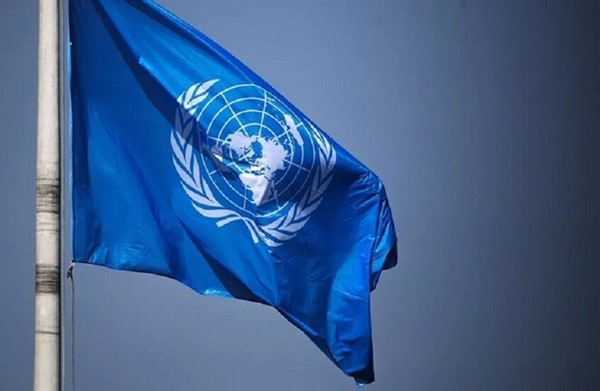
UNAMA warned of continued restrictions on women in Afghanistan and growing instability risks, emphasizing the need to lift these restrictions to ensure recovery and stability.
Translated by Qiyas from الأنباء — Original source
The United Nations has warned that the continued strict restrictions on women in Afghanistan, coupled with mounting risks that threaten the country’s stability amid a human rights crisis, the ongoing presence of terrorist groups, and the lack of progress toward an inclusive governance system, pose serious concerns.
This warning came during a briefing delivered by Geertah Ganiyon, Acting Head of the United Nations Assistance Mission in Afghanistan (UNAMA), on Wednesday evening via video link, before a session of the UN Security Council on developments in the country.
Ganiyon stated that encouraging developments in Afghanistan over the past five years have occurred against a backdrop of no progress on issues causing deep concern to both the Afghan people and the international community, foremost among them the restrictions on women, the human rights crisis, and the continued presence of terrorist groups that threaten Afghanistan, the region, and international peace and security.
She emphasized that denying women opportunities for education, work, and participation in public life does not safeguard Afghanistan’s future; rather, it “deprives the country of the talent and productivity needed for post-conflict recovery.”
Ganiyon noted that a full year has passed since the imposition of restrictions barring Afghan women, including UN staff members, from entering UN system premises, and she reiterated calls for the de facto authorities to lift all such restrictions.
She warned that funding cuts are increasing pressures on women and girls, noting that three-quarters of Afghan women-led organizations experienced a decline in funding over the past year.
On economic matters, the Acting Head of UNAMA stated that while Afghanistan has maintained a degree of macroeconomic stability, this does not amount to recovery. She pointed to a 5.6 percent decline in per capita income and a drop in exports.
She added that food insecurity and malnutrition remain a major concern, with approximately 3.7 million children suffering from malnutrition, including nearly one million facing acute severe malnutrition. Meanwhile, funding for the 2026 Humanitarian Needs and Response Plan has not exceeded 30 percent.
Ganiyon urged continued international engagement through the Doha Process as the multilateral framework for reintegrating Afghanistan into the international community, based on the fulfillment of international commitments and obligations.
Prior to the Security Council session, a group of UN member states expressed solidarity with Afghan women and girls and called on the Taliban authorities to immediately lift restrictions on their rights and end the violations they face.
The countries also welcomed the appointment of Rabab Fatima as the UN Secretary-General’s Special Representative for Afghanistan and Head of UNAMA, urging the Taliban authorities to engage meaningfully with the United Nations and to lift restrictions that hinder the work of Afghan women employed by the organization.
