Bin Ibrahim: Asian Club Competitions... A 'Turning Point'
&cropxunits=450&cropyunits=450&w=150)
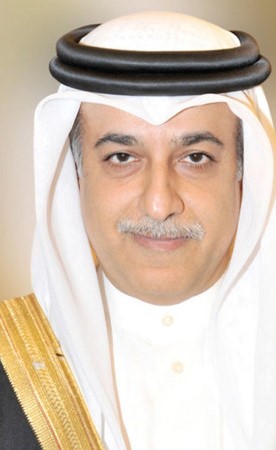
Sheikh Salman bin Ibrahim Al Khalifa, President of the Asian Football Confederation (AFC), affirmed that the new season of the AFC club competitions, which the confederation oversees, expands opportunities for clubs and raises the bar of ambition, marking a watershed moment that confirms Asian club football is entering a renewed phase of strength, expansion, and rising value.
In a press statement issued by the continental body, which is headquartered in Malaysia, on the occasion of the launch of the continent’s club competitions, Sheikh Salman bin Ibrahim stated that the AFC competition system is no longer a collection of isolated tournaments, but rather “a comprehensive continental project that redraws the competitive landscape, expands opportunities for clubs, and raises the bar of ambition from the far East to the far West of the continent.”
He added that the start of the season opens a new chapter through a multi-tiered system comprising the AFC Champions League Elite, the AFC Champions League Two, the AFC Challenge League, and the AFC Women’s Champions League, with the aim of raising technical standards, broadening participation, and enhancing competition among the continent’s clubs.
He noted that the AFC Champions League Elite holds a special status as the pinnacle of competitions, explaining that expanding the league stage to 32 clubs this season—16 in the West and 16 in the East—strengthens competitive opportunities and elevates the level of challenge.
Expressing pride in the growing audience engagement with AFC club competitions in light of recent development steps, he clarified that the AFC Champions League Elite for the 2025–2026 season recorded a 174% growth in cumulative reach, reaching approximately 2.5 billion views, while the AFC Champions League Two achieved a 32% growth, reaching 916 million views.
He emphasized that the ambition to develop AFC club competitions has grown beyond merely organizing successful tournaments; the strategic objective is to build a more competitive, sustainable, and attractive club ecosystem that provides every club with an opportunity to grow, regardless of its location within Asia.
