Pediatrics Advisory: "Pediatric and Fetal Cardiology" is a precise medical specialty and a key pillar for diagnosing and treating cases
&cropxunits=450&cropyunits=300&w=770)
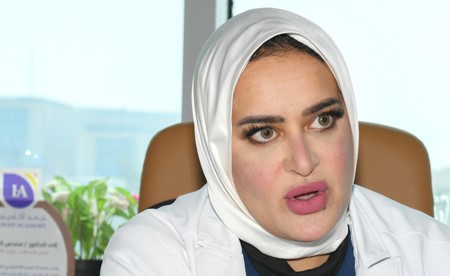
Dr. Sandous Al-Hudhud, a pediatric and fetal cardiology consultant and head of the Pediatric Cardiac Ultrasound Unit in the outpatient clinics at the Chest Diseases Hospital, emphasized the importance of pediatric and fetal cardiology as a precise medical specialty and a crucial pillar in diagnosing and treating heart diseases in children.
Speaking to KUNA, Al-Hudhud stated that heart conditions in children include congenital defects, myocardial issues, valve problems, chamber abnormalities, and cardiac electrical disorders, in addition to acquired diseases and the impact of certain treatments, such as chemotherapy’s effect on myocardial efficiency.
She noted that advances in fetal cardiology have enabled the diagnosis of fetal heart conditions from the 21st and 22nd weeks of pregnancy, allowing for the monitoring of congenital defects, valve, muscle, and artery issues, heart chamber sizes, and arrhythmias until delivery. She added that Kuwait currently has three specialists in fetal cardiology.
Early diagnosis, she explained, facilitates the development of a comprehensive plan for delivery and treatment through coordination among obstetricians, neonatologists, and pediatric cardiologists, ensuring appropriate management from the first moments of life.
Pediatric cardiology services begin within the first minutes after birth and continue until the age of 15, with some cases followed up into adulthood depending on the nature of the illness. She pointed out that her oldest current patient is 32 years old.
The operational framework at the Chest Diseases Hospital encompasses fetal cardiology, pediatric cardiac intensive care, pediatric cardiac surgery, cardiac electrophysiology, and diagnostic and therapeutic cardiac catheterization, alongside non-invasive imaging using magnetic resonance imaging (MRI) and computed tomography (CT). The hospital also collaborates with the Ghunaima Al-Ghanim Center to conduct genetic tests related to heart diseases.
Therapeutic catheterization has brought about a significant breakthrough in pediatric treatment, reducing the need for open-heart surgeries, particularly for valve problems and closing certain heart defects. Advances in the manufacturing of valves and medical devices have also enabled interventions for children weighing as little as 9 to 10 kilograms, whereas previous procedures required a weight of 20 to 25 kilograms.
One of the key advantages of therapeutic catheterization is that children can be discharged on the same day, avoiding longer stays in the hospital or intensive care unit. The choice between catheterization and surgery depends on the specific condition and the assessment of the specialized medical team.
Regarding individuals with disabilities, including children with Down syndrome, Al-Hudhud clarified that management depends on the nature of the cardiac issue, though some cases require early intervention and close monitoring due to associated health complications.
A child with Down syndrome and a ventricular septal defect may require early intervention due to the higher likelihood of rapid pulmonary hypertension. Subsequent follow-up involves monitoring other factors that may affect the heart, such as weight, blood pressure, thyroid function, cholesterol levels, and diabetes.
The workload at the Pediatric Cardiac Unit reflects growing demand for its services. The unit employs six consultants and 14 physicians who perform cardiac ultrasounds, seeing approximately 1,400 patients during morning sessions and between 500 and 700 patients during evening sessions.
Currently, the waiting time for morning appointments is about two weeks, while evening appointments can often be scheduled on the same day or the following day in some cases. Al-Hudhud stressed that increasing the number of doctors, clinics, and equipment will help reduce waiting times and allow more time for each patient and their family.
