U.S. Secretary of State: We do not want instability in the West Bank
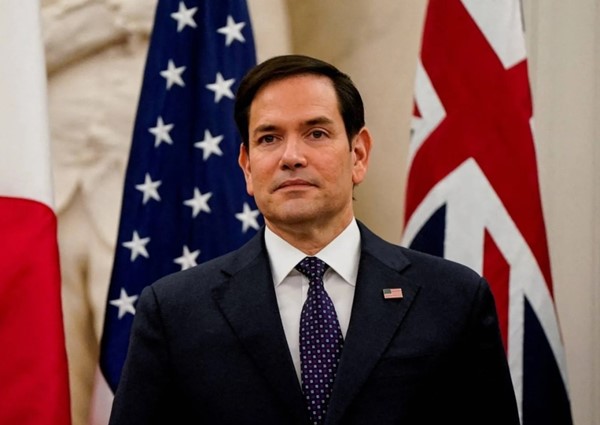
U.S. Secretary of State Marco Rubio affirmed on Tuesday that his country does not wish to see “any destabilization” in the West Bank. Speaking to journalists in Florida while commenting on developments related to the Isr
Translated by Qiyas from الأنباء — Original source
U.S. Secretary of State Marco Rubio affirmed on Tuesday that his country does not wish to see “any destabilization” in the West Bank. Speaking to journalists in Florida while commenting on developments related to the Israeli occupation’s escalation in the West Bank, Rubio said, “We do not want to see anything that undermines stability in the West Bank at this time, given the numerous events unfolding in the region.” He added that these tensions would have “implications for our ability to make progress regarding the Gaza Strip, the 20-point plan, and the peace initiative to which we are deeply committed.”
When asked about the decision by several countries, including Britain and France, to boycott Israeli settlements, Rubio stated that his country “will not follow the lead of Britain, France, and Canada in banning imports from Israeli settlements in Palestinian territories.”
On another note, Rubio said that Iran is behind the current events in Yemen, while simultaneously affirming that his country maintains strong defensive ties with the Kingdom of Saudi Arabia. He stated that “the Houthis are agents and tools in the hands of the Iranians, and I believe the Iranian hand is clearly behind their movements.” Regarding Houthi attacks on Saudi Arabia, Rubio confirmed that Washington is closely monitoring the situation and enjoys a “very strong” defensive military relationship with the Kingdom.
In a related development, the U.S. Department of State announced on Tuesday that the Iranian aviation sector, which has been targeted by U.S. sanctions, helped the Tehran regime “support the proliferation of terrorism and weapons around the world.” State Department spokesperson Tommy Pigott said in a statement that the United States continues to implement its “economic pariah” strategy by imposing sanctions on 36 entities and individuals across multiple jurisdictions for supporting Iran’s aviation sector.
Pigott added that the Office of Foreign Assets Control (OFAC) within the Treasury Department, acting under its authority pursuant to Executive Order 13902, which applies to Iran’s aviation sector among others, will identify and list remaining active Iranian airlines on the sanctions list, “thereby strengthening our campaign to isolate the Iranian regime from the international system and the global economy.” He clarified that OFAC is also targeting several companies based in third countries that provided shipping and general sales services to Mahan Air, Iran’s largest airline, which is linked to the regime’s nuclear proliferation activities and support for terrorism worldwide. He emphasized that his country will not waver in its campaign to cut off the financial lifelines of the Iranian regime, including its aviation sector.
