Termination of Services for 7,019 Male and Female Teachers of Arab and Other Nationalities
&cropxunits=300&cropyunits=450&w=150)
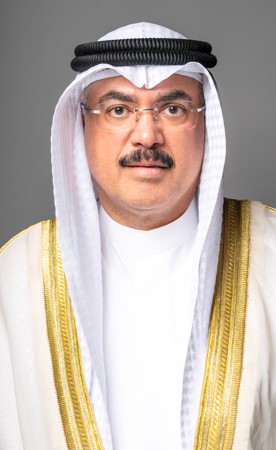
Minister of Education M. Syed Jalal Al-Tabatabai has directed the relevant sectors to begin implementing a phased plan aimed at addressing the surplus in certain specializations and enhancing the efficiency of human resources and financial management.
In a statement, the Ministry of Education said the total number of teaching staff amounts to approximately 91,761 male and female teachers, excluding those in supervisory roles. National cadres constitute about 70.6% of this workforce, while Gulf national teachers and illegally residing expatriates account for roughly 10.1%. Teachers who are legally resident expatriates from Arab and other nationalities make up the remaining 19.3%.
The ministry clarified that study results revealed an actual surplus of approximately 33,268 male and female teachers, including Kuwaiti nationals, contracted Gulf national staff, illegally residing expatriates, and legally resident expatriates from Arab and other nationalities.
The ministry added that the first phase of the plan involves terminating the services of about 7,019 male and female teachers from Arab and other nationalities in specializations where data showed a surplus exceeding actual needs. It noted that the relevant sectors have begun taking the necessary executive measures, with affected individuals to be notified of their termination through the government “Sahel” application, in accordance with approved administrative and legal regulations and procedures, ensuring their employment rights are safeguarded.
The Ministry of Education stated that implementing the first phase of the surplus-reduction plan is expected to generate estimated annual savings of around 42 million dinars from salary expenditures alone.
“Education” launches a phased plan to address the surplus of teaching staff under the directives of Minister Al-Tabatabai
Termination of services for approximately 7,019 male and female teachers from Arab and other nationalities
Education Minister M. Syed Jalal Al-Tabatabai has directed relevant sectors to begin implementing a gradual plan aimed at addressing surpluses in certain specializations and enhancing the efficiency of human resources and financial management, thereby ensuring optimal utilization of personnel and maintaining the stability of the educational process.
In a statement, the Ministry of Education clarified that Minister Al-Tabatabai’s directives followed a series of meetings and studies conducted by relevant sectors to review the status of the educational workforce. These efforts included analyzing the number of teaching staff across various specializations, academic stages, and educational districts, as well as monitoring indicators of shortages and surpluses and identifying current and future school needs. This led to the development of a surplus mitigation plan based on actual data and precise indicators for each specialization.
The ministry stated that the total number of teaching staff, excluding supervisory positions, stands at approximately 91,761 teachers. National staff constitute about 70.6% of this workforce, while Gulf teachers and illegally residing teachers account for approximately 10.1%. Teachers residing from Arab and other nationalities make up the remaining 19.3%.
The study results revealed an actual surplus of approximately 33,268 teachers, including Kuwaiti nationals, contracted Gulf staff, illegally residing teachers, and teachers from Arab and other nationalities. This surplus exists in several specializations where the number of employees exceeds the actual needs of schools.
The ministry emphasized that addressing this surplus will be done gradually and carefully, according to the actual needs of each specialization. This approach aims to ensure a balance in the teaching staff numbers without disrupting schooling or school requirements, while respecting educational process needs and students’ best interests.
The plan began with a first phase involving the termination of services for approximately 7,019 teachers from contracted Arab and other nationalities in specializations where data showed a surplus over actual needs. Relevant sectors have initiated the necessary executive procedures. Affected individuals will be notified of their service termination through the government “Sahel” application, in accordance with approved administrative and legal regulations and procedures, ensuring their employment rights are protected.
The ministry noted that implementing the first phase of the surplus mitigation plan is expected to generate estimated annual savings of approximately 42 million dinars from salary expenditures alone. Additionally, it will help regulate the teaching staff numbers by aligning them with actual school needs, thereby enhancing human resources and financial management efficiency and limiting the accumulation of future surpluses.
Indicators of the workforce showed a surplus in several educational specializations across different academic stages. In boys’ schools, the primary stage surplus includes Arabic Language, English Language, Islamic Studies, Art Education, and Music Education. The middle stage surplus covers Islamic Studies, Social Studies, Art Education, Music Education, Electricity, and Decor. The secondary stage surplus includes Chemistry, Philosophy, Geology, Islamic Studies, Art Education, Music Education, and Geography.
Regarding girls’ schools, the primary stage surplus includes Mathematics, Arabic Language, Art Education, Physical Education, and Music Education. The middle stage surplus covers Music Education, Physical Education, Islamic Studies, Science, Mathematics, Arabic Language, and Electricity. The secondary stage surplus is limited to the French Language, with an additional surplus in Music Education at the kindergarten stage.
The Ministry of Education expressed its appreciation and pride for the efforts made by contracted teachers over the years, acknowledging their dedication and contributions to serving Kuwaiti children and supporting the educational journey. It affirmed that the plan’s implementation is part of organizing needs and addressing surpluses in educational specializations according to actual school requirements.
The ministry commended the sincere dedication and considerable efforts of these professionals, which have positively impacted the educational field and the educational journey in the State of Kuwait. It stressed that while it continues to organize workforce needs according to future requirements, the role and educational contributions of teachers remain a source of pride.
The ministry clarified that continuously reviewing the educational workforce status and aligning staff numbers with shortage and surplus indicators and actual school needs is a central pillar of the plan. This involves precise reviews of teacher numbers in each specialization, academic stage, and educational district, along with periodic updates of shortage and surplus indicators.
This mechanism aims to prioritize qualified national cadres and link new appointments to actual school needs. It also seeks to gradually expand the localization of specializations where qualified national staff are available, while continuing to rely on expertise through contracts in shortage specializations lacking sufficient national staff. This approach meets the needs of the educational field and prevents the formation of new surpluses in the future.
The ministry reaffirmed that the surplus mitigation plan aligns with its responsibility to empower national cadres, enhance human resources and financial management efficiency, and achieve optimal utilization of educational staff. It follows a gradual approach based on data and actual needs, while maintaining school stability, educational quality, and students’ best interests, which are the foundation of all decisions and procedures undertaken by the ministry.
