Gulf Health Ministers Discuss Enhancing the Efficiency of Joint Gulf Healthcare Work
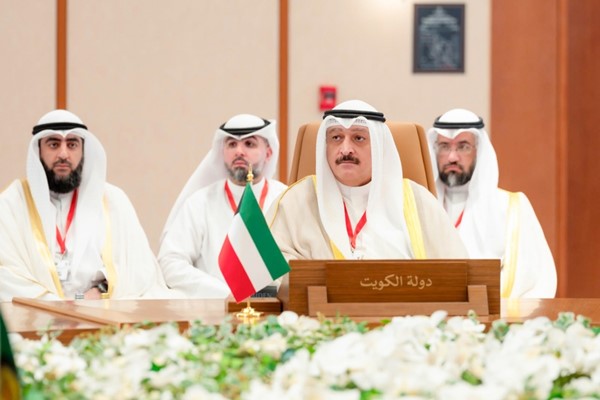
AbdulKarim Al-Abdullah: Minister of Health Dr. Ahmed Al-Awadi participated in the twelfth session of the Gulf Cooperation Council (GCC) Health Ministers Committee and the eighty-ninth meeting of the GCC Health Ministers Council, hosted by the sister Kingdom of Bahrain, leading the Kuwaiti delegation.
The Kuwaiti delegation included Deputy Undersecretary for External Health Services Dr. Hisham Ahmed Kalander, Deputy Undersecretary for Public Health Dr. Al-Munther Wael Al-Husseini, and Dr. Abdul Latif Ahmed Jamal from the Minister’s Office.
The health ministers discussed ways to enhance cooperation and coordination among GCC member states, and to develop joint initiatives and programs that support the process of Gulf integration, while raising the efficiency, readiness, and capacity of health systems to keep pace with developments and challenges.
The meetings addressed several priority files, including health security and strategic reserves, prevention of non-communicable diseases, tobacco and nicotine control, screening of expatriate workers and health insurance, as well as the development of surveillance mechanisms and health data exchange, and the enhancement of cooperation in pharmaceutical, medical, and regulatory fields of common interest.
The ministers also discussed several initiatives, draft resolutions, and recommendations aimed at improving the efficiency of joint GCC health efforts and supporting evidence-based decision-making, in line with the aspirations and future priorities of GCC member states, with Kuwait playing an active role in discussing and drafting several of them.
Dr. Al-Awadi emphasized the deep-rooted fraternal relations binding GCC member states, commending joint efforts to develop Gulf health systems, enhance readiness and health security, and consolidate coordination and integration in the face of health-related changes and challenges.
The meetings concluded with a commitment to continue joint GCC work, activate agreed-upon health initiatives and programs, and strengthen coordination among member states, thereby contributing to the construction of more efficient and sustainable health systems.
