50 US states reveal their identity through a flower symbolizing their history and nature... and picking some is prohibited
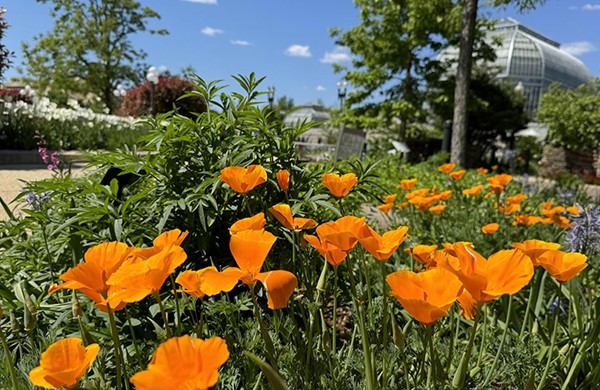
From the prickly pear cactus, which withstands the desert’s aridity, to an orchid that thrives in wetlands, an exhibition at the American Botanical Garden presents a different map of the United States, this time read through its official state flowers.
Titled “Flowers of the States: Celebrating America 250,” the exhibition features the symbols of all 50 states, along with those of the five inhabited U.S. territories and Washington, D.C.
The plants are displayed alive in greenhouses and outdoor gardens, alongside botanical illustrations and precise paper replicas.
The way each flower was chosen reveals a facet of the state’s history. The bluebonnet became the symbol of Texas in 1901, while schoolchildren selected the columbine for Colorado. Maine, meanwhile, broke the mold by adopting the white pine cone and its branches, even though it is not a flower in the botanical sense.
Minnesota stands out for choosing a species of orchid that grows in wetlands, whose collection from the wild is prohibited by state law.
In Georgia, the Cherokee rose, an invasive species from Asia, was replaced this year by the native magnolia, which supports butterflies and pollinators.
