An Eastern State Wants to Restore “Awareness” to the Human Relationship with Food
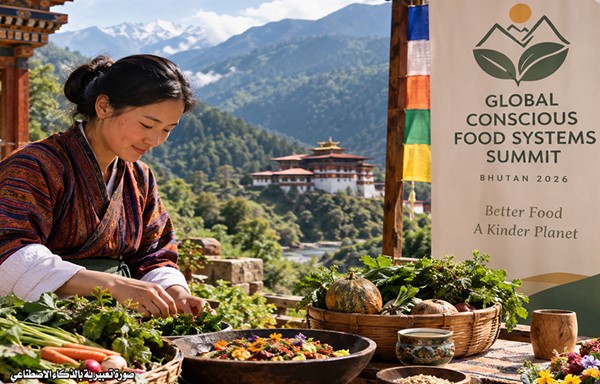
In Bhutan, the small country nestled in the Himalayas, the debate is not just about what we eat, but about how we think about food itself: Where does it come from? Who produces it? And what impact does our choice have on humans and nature?
From August 31 to September 4, Bhutan will host the first Global Summit on Conscious Food Systems, bringing together hundreds of guests from more than 60 countries. The summit aims to bridge science, policy, sustainable agriculture, and concepts such as gratitude, culture, and awareness throughout production and consumption.
The core idea put forward by the summit is that the global food crisis cannot be solved through technology and production alone; it also requires a shift in the values that govern our relationship with food.
Participants will discuss regenerative agriculture, biodiversity conservation, support for local farmers, and waste reduction, alongside the cultural and human dimensions of the meals we consume daily.
Bhutan seems an apt setting for this discourse. The country has long been known for its concept of “Gross National Happiness,” which measures development through dimensions that go beyond economics alone. It now seeks to apply the same philosophy to food, through a system more closely connected to nature and society. The summit will feature international figures, officials, and experts in food and development, while Bhutan will also showcase local products and projects focused on organic farming, sustainable practices, and support for small-scale producers.
The message this small country wishes to convey is simple: perhaps the reform of the global food system begins with changing the way we view the plate before us.
