Approval of the Comprehensive Regulatory Framework for Education as the Sole Reference for the Educational Process
&cropxunits=300&cropyunits=450&w=150)
Alaa Khalifa
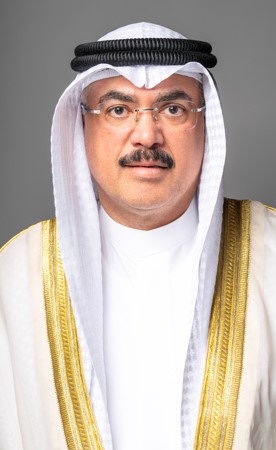
Minister of Education M. Sayed Jalal Al-Tabatabai has officially approved the comprehensive regulatory framework for education in the Ministry of Education in its final form, with its provisions to take effect from the date of the issuance of the relevant ministerial decree. This framework serves as the unified and sole regulatory reference for all aspects of the educational process, following the completion of its preparation, review, and consultation phases with specialists and professionals in the educational field.
The issuance of the framework culminates a comprehensive institutional effort that included reviewing existing systems, regulations, and documents; studying their practical implementation in the field; holding consultative and specialized meetings with relevant sectors and entities; and leveraging the expertise of specialists and educational practitioners. Additionally, the initial draft was presented to educational professionals for feedback and suggestions, and their opinions were solicited via the Ministry’s website during June of last year. These inputs were utilized to refine the content of the framework, leading to its final approval as a comprehensive regulatory reference that addresses school needs and resolves challenges identified through actual implementation.
In this regard, Minister of Education M. Sayed Jalal Al-Tabatabai stated that the issuance of the final comprehensive regulatory framework marks a new phase in organizing educational and pedagogical work, reflecting the Ministry’s direction toward building a clearer and more stable system based on unified rules. This system precisely defines roles, responsibilities, rights, and obligations within the school community.
Al-Tabatabai added that the framework is the result of a collective and institutional effort involving work teams, specialized sectors, and field practitioners through continuous technical, legal, and pedagogical reviews, as well as consultative meetings and specialized discussions aimed at testing proposed provisions against the actual reality of schools and the needs of their staff. He emphasized that the Ministry ensured that field observations were an integral part of the framework’s development process, leading to its final form.
He noted that the Ministry of Education was keen to transition from a multiplicity of documents, regulations, and instructions governing the educational process to a single, comprehensive regulatory reference. The new framework will serve as the sole reference for educational institutions in organizing their operations, with previous documents and regulations superseded by it. This move eliminates regulatory duplication and enhances the stability of decisions and clarity of procedures during implementation.
Al-Tabatabai pointed out that the learner is at the center of the development process targeted by the framework, through the improvement of assessment and evaluation systems, strengthening of school discipline, organization of the educational environment, protection of rights and definition of duties, as well as enhancing school-family partnership and activating pedagogical, social, and psychological roles within the school community.
He highlighted that the clarity of the regulatory reference extends beyond administrative aspects to all parties in the school community, ensuring that learners know their rights and duties, parents understand their role, teachers are aware of their responsibilities, and administrators know their authorities and procedures. This contributes to building a more equitable, stable, and efficient educational environment.
Al-Tabatabai also clarified that the scale of work undertaken for the framework reflects the Ministry’s commitment to comprehensively developing the regulatory system. The preparation process involved a broad review and update of existing educational systems and regulations, going beyond adding new provisions to build an integrated framework that responds to developments in education and field needs.
Minister Al-Tabatabai commended the significant efforts made by work teams, specialized sectors, and field participants during the preparation and review stages of the framework. He affirmed that consultative meetings, specialized reviews, and field observations contributed to developing many of its provisions and reaching the final form, expressing his appreciation to all who participated in this institutional effort.
In conclusion of his statement, Al-Tabatabai stressed that the issuance of the framework is not the end of the development project, but rather the beginning of the implementation, monitoring, and impact assessment phase. This ensures that its provisions are translated into actual practices within educational institutions, raising performance efficiency and strengthening discipline, responsibility, and educational quality. He emphasized that the success of the framework is measured by its reflection on school reality and its improvement of the educational process.
In this context, the Ministry of Education clarified that the framework preparation involved a broad review and update of existing educational systems and regulations, achieving a 100% update rate in the organization of the kindergarten stage, 87% in the general system, 70% in the primary stage and religious education, and 65% in both the middle and secondary stages. This reflects the extent of development undergone by the regulatory reference for the educational process.
The Ministry noted that the framework shifts educational work from a multiplicity of documents, regulations, and instructions to a single, integrated regulatory reference. Previous documents and regulations have been abolished, making the new framework’s provisions the approved regulatory reference for organizing all aspects of the educational process, thereby ending regulatory duplication and enhancing the clarity of procedures, jurisdictions, and responsibilities.
The Ministry explained that the framework consists of 22 chapters covering various components of the educational process, starting with the principles and regulations governing pedagogical work and the kindergarten stage, proceeding through primary, middle, and secondary stages, and religious education, and concluding with registration, transfer, school system, social and psychological services, activities, school media, distance learning, educational environment, examinations, behavior, and professional discipline.
It stated that the framework dedicates regulatory provisions for each educational stage, considering their characteristics and nature. The kindergarten stage covers objectives, developmental characteristics and identity building, admission and transition to primary school, geographical scope and density, inclusion of students with disabilities, educational staff and schedules, as well as assessment, absenteeism, school system, children’s rights, family role, and distance learning.
The Ministry also clarified that provisions for primary, middle, and secondary stages included curricula, standards, assessment tools, grade distribution, projects, attendance, absenteeism, and examination violations, alongside general and specific provisions for religious education.
Regarding the secondary stage, the Ministry stated that the framework includes a comprehensive development of the assessment and grading system. A student’s grade in each semester is now distributed between 40% for classwork and continuous assessments and 60% for the final semester exam. Classwork is divided into 25 points for student work and 15 points for short tests, while 60 points are allocated for the final exam. The 25 points for student work include 6 points for participation, 6 for assignments, 6 for behavior, and 7 for projects. Regulations for school projects are linked to learning outcomes, independent work, creativity, innovation, source documentation, presentation, and discussion.
The Ministry further explained that the framework adopted a digital points and verbal description system (GPA), which converts student grades into achievement levels and digital points, starting from 4 points for an A+ grade (scores from 97 to 100).
The Ministry highlighted that a key development approved by the framework is the implementation of the cumulative GPA for the secondary stage. The tenth-grade result accounts for 10%, the eleventh grade for 20%, and the twelfth grade for 70% of the final GPA. If a student fails any grade in the secondary stage and passes it in a subsequent year, the cumulative GPA is calculated based only on the year of success, with no previous failure affecting the cumulative GPA.
Regarding school discipline, the Ministry confirmed that the framework reorganized the system for handling student behavior within a clearer and more graduated framework. Behavioral violations are classified into four levels: minor, moderate, severe, and serious. Each level is linked to corrective measures appropriate to the nature of the violation and the educational stage. The new organization is based on the principles of graduated measures, justice, equality, verification of the violation, and viewing sanctions within a pedagogical, preventive, evaluative, and therapeutic context, while avoiding corporal punishment and hurtful language.
The Ministry also stated that the framework organized the roles of the Behavioral Discipline Committee and the School System Council, as well as the mechanisms for referring cases to them. This ensures the integration of roles among school administration, educational staff, social and psychological researchers, and parents in addressing behavior and protecting the school environment.
