Electricity didn’t steal our sleep... but it changed its timing
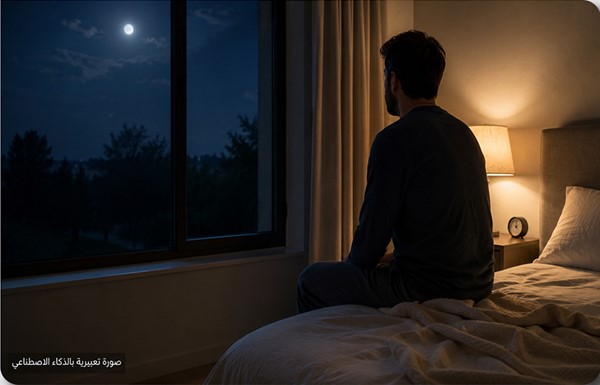
Since electric lights banished the darkness of night, many have come to believe that modern humans sleep significantly less than their ancestors. However, a new scientific review suggests that the most significant shift was not in the number of sleep hours, but in their timing and regularity.
According to the Spanish newspaper El País, researchers compared findings from studies on three traditional groups living far from industrial lifestyles: the Hadza in Tanzania, the San in Namibia, and the Tsimane in Bolivia. They found that members of these groups sleep between 6.4 and 7.1 hours per day, a duration that does not differ drastically from what many people in modern societies record.
The striking difference is that they synchronize their sleep more closely with the cycle of light and darkness, going to bed earlier, whereas artificial lighting has allowed humans to extend their day well past sunset.
According to the review published in the journal Brain Medicine, industrialization, urbanization, and shift work, along with the difference between weekday routines and weekends, have contributed to delaying sleep, undermining its regularity, and gradually disconnecting it from nature’s rhythm.
Researchers say that focusing on the question “How many hours do we sleep?” may obscure an important aspect of the problem, as the timing and consistency of sleep may be changing more than its total duration. However, the results do not imply that electricity alone caused sleep disturbances, as it intersects with many modern factors, including work, social habits, and screen time.
