Ministry of Health Enhances School Environment Readiness for New Academic Year with Preventive Campaign Covering Over 900 Schools
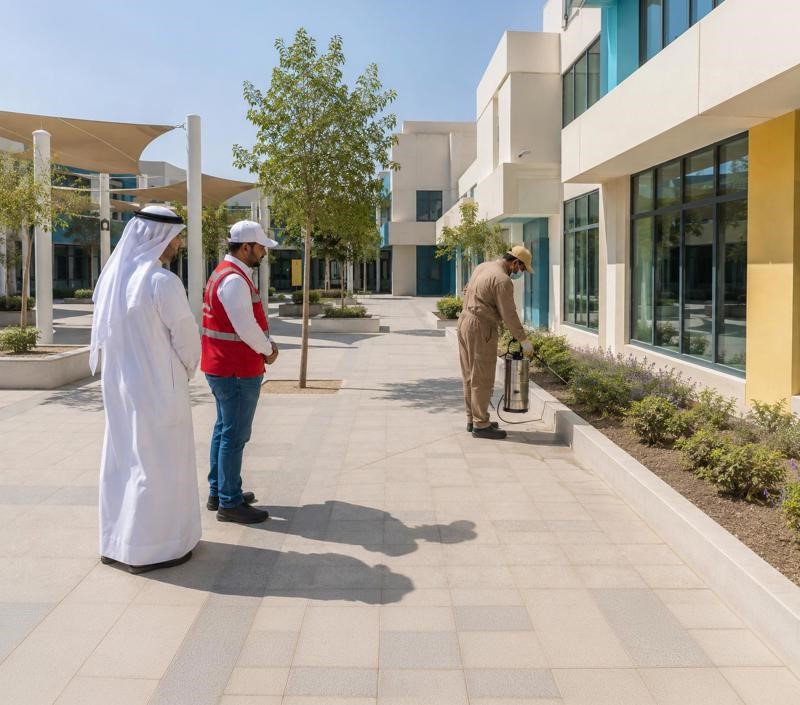
As part of the health preparations accompanying the launch of the new academic year, the Ministry of Health continues to implement its preventive plan in government schools across various regions of the State of Kuwait. This is being carried out through comprehensive field operations aimed at controlling medical insects and rodents, as well as enhancing environmental sanitation, thereby contributing to the creation of a healthy and safe school environment for students, as well as teaching and administrative staff.
The Ministry is executing the campaign in cooperation and coordination with the Ministry of Education. Field operations began on August 9 and will continue until September 3, 2026, according to a timeline targeting more than 900 government schools before the start of the academic term.
The Ministry clarified that field teams completed control and preventive treatment operations in 542 government schools during the period from August 9 to 20, following specific plans and schedules and using approved preventive methods. Work continues to complete coverage of all targeted schools.
The campaign focuses on strengthening preventive measures and environmental sanitation, reducing factors that facilitate the spread and breeding of insects and rodents, and lowering infestation rates to the lowest possible levels. This supports the safety of the school environment and mitigates health risks associated with pests.
In this context, Dr. Fatima Al-Darwish, Head of the Medical Insects and Rodents Control Department at the Ministry of Health, emphasized that control efforts are part of a comprehensive concept of environmental sanitation. This approach goes beyond field interventions to address factors that contribute to the breeding and spread of pests, while promoting preventive practices that maintain a healthy and sound environment.
She added that environmental sanitation is a shared responsibility built on the integration of efforts among government entities, community institutions, and individuals, and on instilling preventive behaviors in daily practices. This enhances public health protection and contributes to providing healthier and safer environments.
