Arab Conference of Directors of Citizenship Departments: Relying on Digital Identity to Protect Personal Data
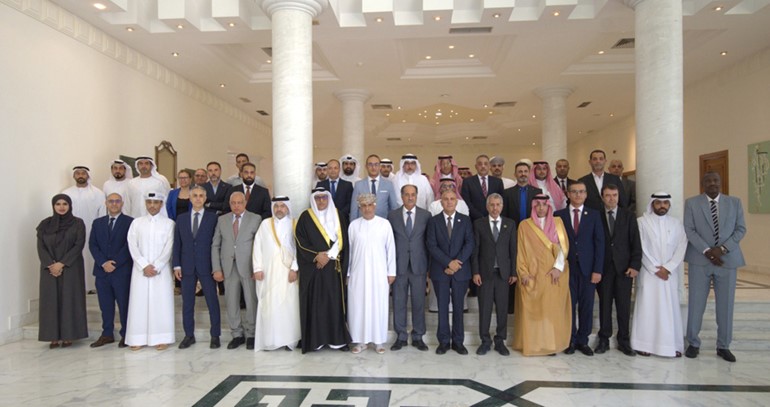
Participants in the Ninth Arab Conference of Directors of Citizenship and Civil Status Departments called for strengthening the reliance on digital identity to protect personal data and enhance connectivity among various
Translated by Qiyas from الأنباء — Original source
Participants in the Ninth Arab Conference of Directors of Citizenship and Civil Status Departments called for strengthening the reliance on digital identity to protect personal data and enhance connectivity among various civil status systems in Arab countries within the framework of e-government.
The General Secretariat of the Arab Ministers of Interior Council stated in a statement marking the conclusion of the conference in Tunisia that participants emphasized the importance of working to enhance services provided to citizens in all fields, developing legal and legislative frameworks that regulate the protection of personal data in civil status records, and leveraging modern technologies, including artificial intelligence, to strengthen personal data protection in a manner that ensures no infringement on individuals’ rights and privacy.
The conference called on member states to work on developing and updating their administrative and digital systems, thereby contributing to accelerating transaction processing and enhancing data accuracy and integrity. It also urged them to strengthen the adoption of digital identity, given its capacity to link various systems within the e-government framework, which enhances services provided to citizens across all sectors. Additionally, the conference called for strengthening existing legal and legislative frameworks that regulate the protection of personal data in civil status records, and for utilizing modern technologies, including artificial intelligence, to bolster personal data protection while ensuring that individual rights and privacy remain intact. The conference further encouraged member states to exchange expertise in the field of protecting citizenship and civil status records and addressing cyber threats targeting them.
The conference requested the General Secretariat to disseminate the model guideline for protecting personal data and information security in citizenship and civil status records, prepared by its Arab Office for Supporting Security Agencies, to all member states for their benefit. It also asked for the dissemination of experiences presented at the conference regarding the management of operations in citizenship and civil status departments, so that member states could benefit from them. Furthermore, the conference requested the General Secretariat to prepare a draft guideline for protecting data and information security in citizenship and civil status records.
The conference called on the Arab Academy for Security Sciences to organize training courses for personnel in citizenship and civil status departments on data protection, information security, and the handling of electronic records and systems. It commended the proposal submitted by the Republic of Iraq regarding a unified Arab identity card and recommended referring it to member states for study. The conference also expressed its gratitude to the Agency of the Ministry of Interior for Civil Status in the Kingdom of Saudi Arabia for its readiness to host visits from member states to observe the digital transformation underway in the Kingdom, particularly in the fields of citizenship and civil status.
The conference began yesterday with the participation of directors of citizenship and civil status departments from Arab countries, including the State of Kuwait, represented by Colonel Nasser Al-Khader, Director of National Identity Management Centers, and First Lieutenant Fahd Al-Azmi, from the International Cooperation Department and the General Department of International Relations.
