OpenAI Bets on a Screenless Device: Is the End of the Smartphone Era Near?
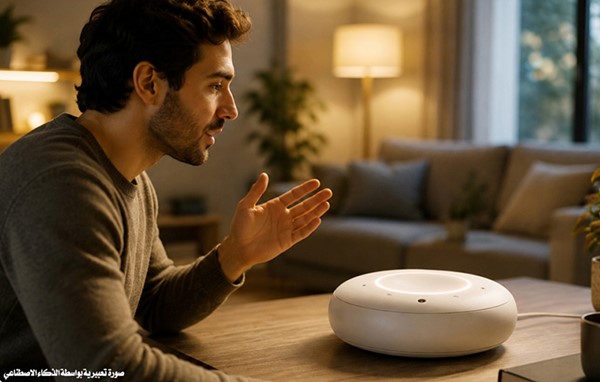
OpenAI is preparing to enter the hardware market with a new screenless device, developed in collaboration with former Apple designer Jony Ive, in a bet aimed at changing how users interact with personal computing and bringing artificial intelligence into everyday life beyond smartphones and computers.
According to reports, the device is roughly the size of a hockey puck, features a donut-shaped circular design, and relies primarily on voice interaction, equipped with microphones, speakers, cameras, sensors, and moving mechanical components, enabling it to understand the user’s surroundings and execute requests in a more interactive manner.
The device is expected to be priced between $300 and $400, with consumer availability anticipated in 2027 following a delay from its previously targeted launch date.
OpenAI is betting on a shift in user interface from touchscreens to conversational AI, so that the device understands requests and context and provides increasingly personalized responses over time, leveraging information tied to the user’s digital life.
The device does not appear to be a standalone product; reports suggest plans to build an AI-driven ecosystem of devices.
While smartphones will remain essential for consuming content, photography, gaming, document editing, and browsing, the success of this experiment could gradually reshape their role, transforming them into one of several devices coordinated by AI, rather than remaining the central hub of users’ digital lives.
Its 2027 launch will serve as a test of the company’s bet on reducing reliance on screens for everyday tasks.
