Al-Suwailem to Al-Anba: Breastfeeding initiation rate rises to 94% in Kuwait
&cropxunits=379&cropyunits=450&w=150)
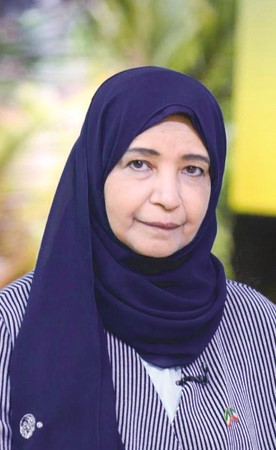
AbdulKarim Al-Abdullah: Dr. Mona Al-Sumeiri, Coordinator of the Breastfeeding Program, confirmed that national indicators have shown significant progress in breastfeeding practices over the past years, reflecting the suc
Translated by Qiyas from الأنباء — Original source
AbdulKarim Al-Abdullah: Dr. Mona Al-Sumeiri, Coordinator of the Breastfeeding Program, confirmed that national indicators have shown significant progress in breastfeeding practices over the past years, reflecting the success of efforts led by the Ministry of Health in collaboration with various relevant entities to promote breastfeeding culture and support mothers.
In a statement to “Al-Anbaa,” Dr. Al-Sumeiri revealed that data from Kuwait’s Nutrition Surveillance Program indicated a rise in the rate of initiating breastfeeding to 94% in 2025, compared to 76.6% in 1996. The rate of exclusive breastfeeding also increased to 33%, up from just 12% in 1996. Meanwhile, the rate of early initiation of breastfeeding within the first hour after birth reached 75%, compared to 12% in 1996, reflecting substantial progress in implementing health practices supportive of mothers and infants.
She added that these results were the outcome of a comprehensive system adopted by the Ministry of Health, which included developing supportive policies and legislation, implementing the Ten Steps to Successful Breastfeeding in hospitals and maternal and child health facilities, enhancing health education programs, providing continuous training for healthcare staff, and collaborating with community organizations supporting mothers, all of which contributed to improving national breastfeeding indicators.
Dr. Al-Sumeiri highlighted the celebration of World Breastfeeding Week, organized by the World Alliance for Breastfeeding Action (WABA) annually from August 1 to 7. This year’s campaign carries the theme “Breastfeeding for a Sustainable Start to Life: Let’s Make It Work,” aiming to reinforce correct concepts about breastfeeding and engage various stakeholders in supporting and encouraging mothers to continue breastfeeding.
She noted that the Nutrition and Feeding Department, in coordination with the National Breastfeeding Committee, organized a series of awareness events and activities in several hospitals and primary healthcare centers, including the Maternity Hospital, Adan Hospital, Jahra Hospital, Rabia Health Center, and Ali Thaniyan Al-Ghanim Health Center, concluding at Farwaniya Hospital. These initiatives aim to raise community awareness about the importance of breastfeeding and promote healthy practices.
Dr. Al-Sumeiri emphasized that breastfeeding provides every child with the best possible start in life, contributing to disease prevention and helping to avert approximately 600,000 child deaths annually worldwide. It also reduces the risk of breast and ovarian cancer in mothers. She pointed out that many mothers wishing to breastfeed their children may face challenges that hinder them, necessitating the provision of a supportive environment within families, workplaces, and healthcare facilities.
She added that the 2025 Global Breastfeeding Collective Scorecard showed an increase in the rate of exclusive breastfeeding among infants under six months to 47% globally, with breastfeeding continuation rates reaching 76% at one year of age and 50% at two years. However, the world still needs to make further efforts to promote early initiation of breastfeeding and reduce disparities between countries.
Dr. Al-Sumeiri clarified that Kuwait continues to strengthen its commitment to implementing regulations aligned with the International Code of Marketing of Breast-milk Substitutes, adhering to International Labour Organization standards regarding maternity leave and breastfeeding breaks, and supporting hospitals in obtaining “Baby-Friendly Hospital” accreditation. She also highlighted the important role played by community organizations, such as Perth Kuwait, in providing support and counseling to mothers throughout their breastfeeding journey.
She stated that investing in breastfeeding is an investment in the health and economy of society. According to World Bank estimates, every dollar invested in supporting breastfeeding yields a return of up to $44, underscoring the importance of continuing to invest in national programs that support mothers and children.
