Washington tightens naval blockade on Iran.. Tehran: Not currently considering imposing fees on passage through the Strait of Hormuz
&cropxunits=450&cropyunits=253&w=600)
The United States has continued to tighten the naval blockade imposed on Iran as part of its strategy to increase pressure on Tehran to reach an agreement that would end the war. Meanwhile, Pakistan, which is mediating b
Translated by Qiyas from الأنباء — Original source
The United States has continued to tighten the naval blockade imposed on Iran as part of its strategy to increase pressure on Tehran to reach an agreement that would end the war. Meanwhile, Pakistan, which is mediating between the two sides, has invited Iranian officials to visit Islamabad in an effort to de-escalate tensions in the region and provide momentum to US-Iranian negotiations.
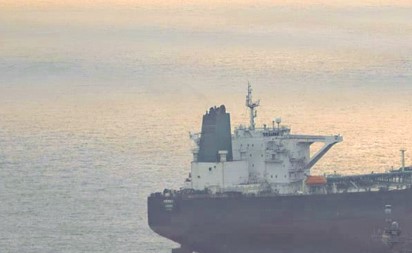
US Central Command (CENTCOM) announced that more than 20 warships remain deployed in the Middle East region to enforce the naval blockade on Iran. In a post on its official X account, CENTCOM stated, “More than 20 US warships are deployed in the Middle East to support military operations, including the strict enforcement of the US blockade on Iran.” The statement added, “As of August 9, CENTCOM has rerouted 55 commercial vessels, disrupted two, and inspected two others to verify compliance with the blockade.”
Earlier, in mid-July, CENTCOM announced via X the resumption of the naval blockade on ships traveling to and from Iranian ports.
On the other hand, Ismail Baghai, spokesperson for the Iranian Ministry of Foreign Affairs, said that ongoing negotiations between his country and the Sultanate of Oman aim to determine navigation routes in the Strait of Hormuz, describing them as “constructive and positive.” Baghai explained during his weekly press conference: “We have agreed with the Sultanate of Oman on a transit map for the Strait of Hormuz and are currently discussing some technical points with them. We are not currently considering the imposition of fees on ships transiting the strait.” He added that the route being discussed with Muscat regarding the Strait of Hormuz is “temporary” and will replace the southern and northern routes.
Baghai noted that Pakistan had invited both the Iranian Speaker of Parliament and the Foreign Minister to visit, indicating that the visit “will take place under appropriate conditions.” The Iranian Foreign Ministry spokesperson did not provide further details on the timing of the visit but clarified that mutual visits are a natural part of the growing relations between the two neighboring countries.
It is worth noting that Pakistan is playing a mediating role between Washington and Tehran in an attempt to de-escalate tensions and resume negotiations between the two sides.
In a related development, Egyptian Foreign Minister Dr. Badr Abdelatty and his Turkish counterpart Hakan Fidan discussed the latest regional developments and efforts to de-escalate tensions and contain unrest. The Egyptian Ministry of Foreign Affairs stated in a press release that the two ministers emphasized during a phone call the importance of intensifying efforts aimed at achieving de-escalation and reaching sustainable and comprehensive understandings that enhance regional security and stability. The ministry also noted that the ministers exchanged views on regional security arrangements that would strengthen security and stability in the region.
