The Applied College redraws its specializations and programs, shifting from monitoring labor market needs to anticipating them
The Public Authority for Applied Education and Training (PAAET) is moving to redraw the map of its academic and training specializations and programs, shifting from merely monitoring labor market needs to anticipating th
Translated by Qiyas from الأنباء — Original source
The Public Authority for Applied Education and Training (PAAET) is moving to redraw the map of its academic and training specializations and programs, shifting from merely monitoring labor market needs to anticipating them and preparing for them before they emerge. This strategic shift aims to open new career pathways for its graduates and strengthen the authority’s role in supporting national development plans and major national projects.
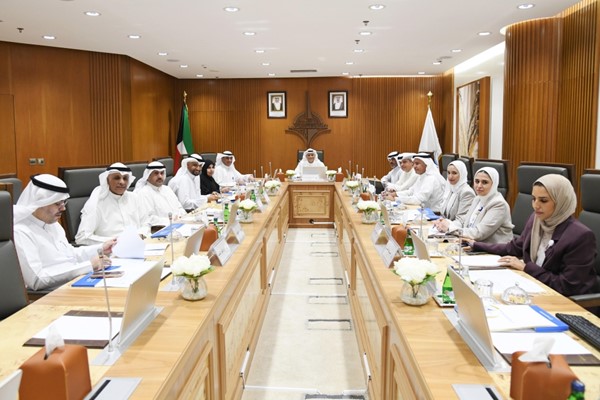
This development was discussed during a meeting of the PAAET Board of Directors, chaired by Minister of Higher Education and Scientific Research Dr. Nader Al-Jalal, and attended by PAAET Director General Dr. Hassan Al-Fajam, board members, and senior authority officials. The board reviewed a comprehensive future vision for developing the specialization and program framework to keep pace with economic and technological transformations, as well as current and future labor market requirements.
Dr. Hassan Al-Fajam presented a holistic vision for developing the specialization system, beginning with an analysis of the status of programs offered for the 2026/2027 academic and training year. This included identifying specializations where admissions were temporarily suspended due to a lack of current demand, leading to the determination of priority areas where the authority can expand, reintroduce, or create new programs.
The vision relied on analyzing admission data from the past five years, trends in student interest in various specializations, and linking this data with graduate outcomes, career paths, employment opportunities, and labor market needs. This was complemented by results from coordination meetings with the Civil Service Bureau, the Public Authority for Manpower, and various government and private entities, involving deans of colleges, institute directors, and the graduate and labor market monitoring department.
The proposed vision included several future specialization pathways, such as a specialized program in railway systems maintenance. This initiative aims to train national technical cadres in maintenance, operations, safety, and supporting systems, aligning with the state’s direction toward implementing the railway project and its associated technical and human resource needs.
Other proposed fields include specializations in security and food sustainability, energy and sustainability, and resource efficiency. These areas are designed to support national priorities, keep pace with transformations in economic and technological sectors, and enhance the capacity of national cadres to work in future-oriented fields.
The authority emphasized that the proposed specializations represent future pathways that will undergo study and evaluation in coordination with beneficiary entities. This process aims to confirm actual demand, define titles, levels, and educational and training outcomes, and link them to job titles and employment opportunities before approval and launch.
The vision targets opening new career horizons for PAAET graduates by developing existing specializations, reintroducing high-demand programs, and expanding programs proven to meet labor market needs. It also includes reviewing the names of several colleges and institutes to better reflect the nature of their programs and future directions.
Additionally, the vision includes studying a proposal to merge the Nursing Institute into the College of Nursing. This move aims to enhance integration between academic education and applied training, thereby improving the efficiency of the educational and training system and the quality of its outputs.
The PAAET Board of Directors recommended forming a specialized committee from among its members to study the future vision, proposals for renaming certain colleges and institutes, the expansion of priority specializations and programs, and the creation of programs linked to developmental projects and future jobs. The committee will also study the proposal to merge the Nursing Institute into the College of Nursing and will submit its recommendations to the board for appropriate action.
This direction confirms PAAET’s transition from responding to labor market needs to anticipating and preparing for them through a flexible and dynamic system of specializations and programs. These are directly linked to development pathways and national projects, enhancing graduates’ employment opportunities and competitiveness, and ensuring the continued alignment of the authority’s outputs with the state’s needs.
This transformation implements directives from the Minister of Higher Education and Scientific Research to develop the applied education and training system, enhance the readiness of national cadres, and align educational and training programs with future jobs. This effort aims to solidify PAAET’s position as a key partner in building human capital and supporting sustainable economic and knowledge-based development in the State of Kuwait.
In a separate matter during the meeting, the PAAET Board of Directors approved the promotion of several faculty members in recognition of their scientific and professional achievements. This move aims to support academic competencies, enhance an environment of excellence and innovation, and elevate the quality of education, training, scientific research, and the authority’s outputs.
