Syria Achieves Self-Sufficiency in Wheat for the First Time Since 2010
&cropxunits=450&cropyunits=272&w=770)
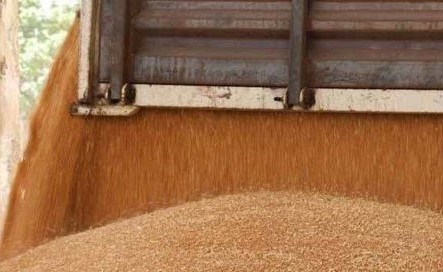
Syria has achieved self-sufficiency in wheat production this year, according to a Syrian official who told Agence France-Presse, for the first time since before the war broke out in 2011, which inflicted severe damage on the agricultural sector. Due to the war, the expansion of fighting, and drought, wheat production, which had reached 4.1 million tons annually, declined, and the ousted regime relied on imports, particularly from its ally Russia. Ahmad Qadoun, deputy director general of the Syrian Grain Corporation, told AFP, “There will be no need for imports this season,” noting that the last time the country achieved self-sufficiency in wheat was in 2010, one year before the conflict erupted. The Syrian Grain Corporation announced the day before yesterday that it had received 2.7 million tons of wheat from farmers across various governorates for the current season, surpassing the country’s annual requirement, which it estimated at 2.55 million tons, according to the official Syrian Arab News Agency (SANA). Last week, after the quantity received exceeded 2.5 million tons, it announced that “Syria has achieved self-sufficiency in wheat.” The former regime had competed with the Kurdish-led “Autonomous Administration” to purchase wheat crops from farmers, as fertile agricultural plains in the northeast of the country lay outside its areas of control.
