Minister of Social Affairs: The elderly are a national and human asset, and "Rifqa Omar" enhances their quality of life and social integration
&cropxunits=450&cropyunits=369&w=770)
Sultan Al-Abdan: Kuwait’s Minister of Social Affairs, Labor, and Social Development, Dr. Amthal Al-Huwail, affirmed that Kuwait pays great attention to the elderly, driven by its belief in their significant role and the
Translated by Qiyas from الأنباء — Original source
Sultan Al-Abdan: Kuwait’s Minister of Social Affairs, Labor, and Social Development, Dr. Amthal Al-Huwail, affirmed that Kuwait pays great attention to the elderly, driven by its belief in their significant role and the contributions they have made in serving their families and their country. She emphasized that caring for and empowering them is a national responsibility that reflects the authentic values of Kuwaiti society.
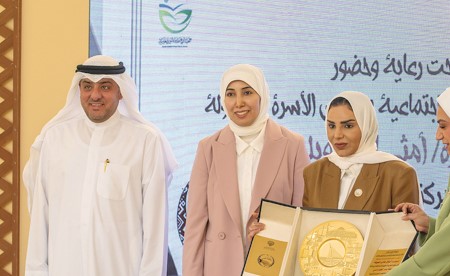
This statement was made during her speech at the opening of the “Rifqat Omar” (Companionship of Life) program, organized by the Awareness and Counseling Center in partnership with Sheikh Abdullah Al-Nouri Charity Association. The program aims to enhance the quality of life and psychological and social well-being of the elderly, attended by various officials and stakeholders.
Al-Huwail stated that the “Rifqat Omar” program embodies the value of gratitude toward those who dedicated their lives to serving the nation and society. She stressed that the elderly are not merely a part of the past, but rather a national and human asset containing wisdom, experience, and generosity, deserving of all respect and care.
She added that the Ministry of Social Affairs, in line with the State of Kuwait’s vision to consolidate the principles of social justice and safeguard human dignity at all stages of life, is working to develop an integrated system of services and programs that guarantee the elderly their right to care, respect, and community participation. This contributes to enhancing their quality of life and preserving their status in society.
She clarified that the “Rifqat Omar” program translates this direction, as it goes beyond providing activities and services to creating a supportive human environment that enhances social interaction, stimulates mental capabilities, supports mental health, and opens new horizons for the elderly to actively participate in community life. This fosters a sense of belonging and ensures them a dignified and secure life.
She stressed that building a cohesive society begins with caring for all its segments, particularly the elderly, who are a source of wisdom, experience, and generosity. She emphasized the importance of providing an environment that preserves their dignity, enhances their well-being, and enables them to continue their positive role in society.
For his part, Jasem Al-Kandari, Director General of the General Administration of Social Care at the Ministry of Social Affairs, affirmed that the “Rifqat Omar” program embodies a humanitarian message reflecting Kuwaiti society’s gratitude toward the elderly, and consolidates their right to care, respect, and active participation. This is based on the state’s belief that they are a source of wisdom and experience, and partners in building society.
Al-Kandari stated that the program is not merely a collection of activities and events, but a message of gratitude and appreciation for the elderly who dedicated their lives to serving their families and their country. He affirmed that they have the right to live a life characterized by respect, appreciation, and peace of mind.
He added that the General Administration of Social Care believes that true care is not measured by the number of services provided, but by the impact it leaves on human life and its ability to enhance feelings of security, dignity, and belonging, enabling individuals to remain active and connected to their community.
He explained that the program’s slogan, “From a generation that gave... to a generation that continues to give,” confirms that the elderly are not just recipients of care, but partners in building society. They possess experiences, expertise, and values that contributed to shaping the present and continue to serve as a pillar for building the future.
He noted that the General Administration of Social Care ensured that the Awareness and Counseling Center would prepare and implement the program, leveraging its specialized expertise in psychological, social, and awareness aspects. This aims to provide programs and activities that meet the needs of the elderly, enhance their mental health, strengthen their social relationships, and encourage their community participation, thereby improving their quality of life and enriching their days with meaningful activities.
He affirmed that the program embodies the General Administration of Social Care’s commitment to contributing to the achievement of sustainable development goals by promoting health and well-being, improving quality of life, and consolidating community partnerships. This is based on the conviction that sustainable development can only be achieved when it includes everyone, placing human dignity at the forefront of its priorities.
Al-Kandari concluded by emphasizing that “Rifqat Omar” will remain more than just a program; it is a message of gratitude confirming that caring for the elderly is a national and humanitarian responsibility. He stated that appreciating their contributions and safeguarding their dignity is an obligation that reflects the authenticity and entrenched values of Kuwaiti society.
For his part, Jamal Al-Nouri, Chairman of the Board of Directors of Sheikh Abdullah Al-Nouri Charity Association, affirmed that the “Rifqat Omar” program represents a humanitarian message stemming from the values of gratitude and compassion that distinguish Kuwaiti society. It reflects the collective belief that the elderly are a source of expertise and generosity, and partners in building the present and future.
Al-Nouri said that launching the program embodies a heartfelt message that translates the authentic values of Kuwaiti society, which are based on compassion and reverence for the elderly. He emphasized that the name “Rifqat Omar” carries a deep connotation expressing commitment, support, and inclusion, embodying standing by parents and elders during this stage of their lives.
