American engineers develop recyclable threads to reduce clothing waste
&cropxunits=450&cropyunits=220&w=600)
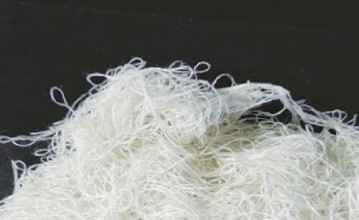
American engineers have developed recyclable elastic threads, an innovation that could help mitigate the problem of clothing waste and bolster sustainability trends in the textile industry. The US website No Ridge reported yesterday that a team from the Massachusetts Institute of Technology (MIT) developed these threads, which offer flexibility and strength comparable to traditional threads, while being meltable and reshapable multiple times without losing their properties, according to a study published in the scientific journal ACS Materials Letters. Researchers explained that the new threads are made entirely of polyethylene, a common type of plastic used in manufacturing bags and milk bottles, which is characterized by its ability to be melted and reshaped. This allows clothing made from it to be recycled without the need to separate the different material layers that typically hinder the recycling of conventional textiles. They noted that one advantage of this innovation is that these threads can be manufactured using existing production equipment, which could facilitate their broader adoption in the apparel manufacturing sector. The new threads allow the entire fabric to be melted down and converted into other products, potentially helping to extend the lifecycle of materials and reduce the need to produce new fibers, thereby supporting the development of a more sustainable clothing industry. This innovation represents a new step toward developing sustainable solutions in the textile industry by reducing waste and enhancing material reuse.
