Zuckerberg Dreams of Superintelligence in the Hands of Everyone
&cropxunits=363&cropyunits=450&w=600)
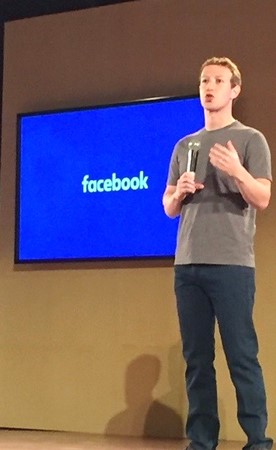
Meta CEO Mark Zuckerberg unveiled his vision for the future of artificial intelligence, emphasizing his goal to make what he termed “superintelligence” available to all users, functioning as a personal assistant capable of improving health, boosting productivity, and supporting the daily lives of billions of people. In an opinion piece published in The Wall Street Journal, Zuckerberg presented the concept of “personal superintelligence” as an alternative to the notion that advanced AI technologies should be monopolized by a limited number of institutions and companies.
Zuckerberg’s vision relies on Meta’s massive user base, with the company’s apps averaging 3.56 billion daily active users in March 2026, while more than a billion people use Meta AI monthly. He believes this widespread reach gives the company a unique ability to deliver advanced AI technologies to billions of people without the need to launch new devices or persuade users to subscribe to different services. Instead, AI capabilities can be gradually integrated into applications such as Facebook, Instagram, WhatsApp, and Messenger, reaching users through periodic updates, just like other new features.
Although Zuckerberg spoke of making these technologies available to everyone, the report notes that widespread access to AI does not mean users will control it. Decisions regarding model development, operational mechanisms, usage limits, and safety protocols will remain in the hands of the developing companies. The report cites data from the 2026 Stanford AI Index, which showed that more than 90% of advanced AI models developed in 2025 came from private sector companies, driven by the need for massive investments in data centers and computing capabilities.
Meta expects to spend between $125 billion and $145 billion in 2026 on the infrastructure necessary to support AI, reflecting the scale of resources required to build and operate these models. Consequently, users will gain more powerful tools, but they will not have decision-making power over how these models are trained or the controls governing their use, as these decisions will remain with the company funding and operating the data centers. Despite Meta’s ambitions, user acceptance of this direction does not appear guaranteed.
