Defensive cooperation between Kuwait and Pakistan
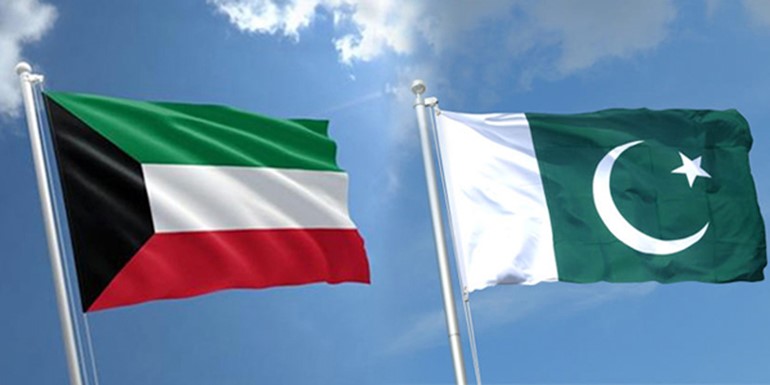
A decree-law approving the Agreement on Defense Cooperation between the State of Kuwait and the Islamic Republic of Pakistan was published in the Official Gazette, “Kuwait Al-Yaum.” The law stipulates the basis for coope
Translated by Qiyas from الأنباء — Original source
A decree-law approving the Agreement on Defense Cooperation between the State of Kuwait and the Islamic Republic of Pakistan was published in the Official Gazette, “Kuwait Al-Yaum.” The law stipulates the basis for cooperation in defense and the training of the armed forces under this agreement, in accordance with the local laws and regulations of each party and their international obligations. It further provides for cooperation between the two parties in the fields of training, military science, and military cooperation between the armed forces, as well as in logistical areas, the exchange of personnel, experts, technicians, and specialists in various military fields, in addition to scientific and technological fields, military intelligence, information systems, and electronic communications, alongside military and war industries. The two countries also cooperate in the field of moral guidance (“military media”), the exchange of various sports activities, cultural and social fields, and any other areas agreed upon by the two parties within the framework of implementing this agreement. The agreement also stipulates the formation of a joint military committee to implement and coordinate joint cooperation in all military fields, including training, education, and logistical areas, as well as the exchange of personnel and technical experts, and the establishment of a joint military committee between the two parties to coordinate in all fields.
**Defense Cooperation Agreement between Kuwait and Pakistan**
The decree-law No. 73 of 2026 approving an agreement between the Government of the State of Kuwait and the Government of the Islamic Republic of Pakistan on cooperation in the field of defense was published in the Official Gazette, “Kuwait Al-Yaum.” Its articles stipulate the following:
**Article One:** Approval of the agreement between the Government of the State of Kuwait and the Government of the Islamic Republic of Pakistan on cooperation in the field of defense, signed in the State of Kuwait on 22 Dhu al-Qi’dah 1444 AH, corresponding to June 11, 2023, with its text attached to this decree-law.
**Article Two:** The ministers, each within their respective competence, shall implement the provisions of this decree-law, which shall come into force from the date of its publication in the Official Gazette.
The explanatory memorandum for decree-law No. 73 of 2026 approving the agreement between the Government of the State of Kuwait and the Government of the Islamic Republic of Pakistan on cooperation in the field of defense states the following:
Reaffirming the political and diplomatic understanding, and the bonds of religion, traditions, and heritage between the two governments and their peoples, and the determination to enhance mutual cooperation in the fields of political, economic, religious, cultural, and social systems between them, and reaffirming their commitment to the Charter of the United Nations, an agreement between the Government of the State of Kuwait and the Government of the Islamic Republic of Pakistan on cooperation in the field of defense was signed in the State of Kuwait on June 11, 2023.
Article One stipulates the purpose of this agreement, which is to determine the basis for cooperation in the fields of defense and the training of the armed forces, in accordance with the local laws and regulations of each party and their international obligations.
Article Two outlines the fields of cooperation, including military training and education, military cooperation between the armed forces, logistical fields, the exchange of personnel, technical experts, and specialists in various military fields, as well as scientific and technological fields, military intelligence, and other fields of cooperation, as well as any other fields agreed upon by the two parties within the framework of implementing this agreement.
Article Three clarifies the principles of implementation, noting that the mutual benefit and the needs of both parties shall be considered equally when implementing this agreement. The two parties shall prepare annual plans to implement joint activities through protocols and implementation programs. Cooperation between the two parties shall also be enhanced through the exchange of visits at all levels.
Article Four identifies the competent authorities for implementing the agreement, which are the Ministries of Defense in both parties.
Article Five addresses the formation of a joint military committee between the two parties for the purpose of implementing and coordinating joint cooperation in all military fields. The heads of the joint military committee shall be appointed by the ministers of defense of both parties. The committee shall hold its sessions once a year. Any topic aimed at enhancing bilateral cooperation between the two parties shall be included in the agenda of the joint military committee. The committee shall present the agreed-upon cooperation activities in the latest bilateral cooperation plan, including any agreed-upon activities.
Article Six outlines appropriate measures to protect confidential information obtained through missions, in accordance with appropriate security legislation. The two parties commit to not transferring documents, information, and materials to any third party without the written consent of the party from which the information originated. An equivalent level of confidentiality shall be determined for exchanged documents, information, and materials. Access to documents and information shall be permitted only for official purposes and by persons authorized by both parties. The responsibility of both parties to protect exchanged confidential documents, information, and materials shall continue even after the termination of this agreement.
Article Seven addresses intellectual property rights resulting from cooperation under this agreement, in accordance with the laws, rules, and international legislation of both parties.
Article Eight organizes financial procedures on the basis of reciprocity, whereby the receiving party shall bear the travel expenses for official domestic missions, including accommodation and emergency medical treatment for the guests of the sending party during agreed-upon official visits.
Article Nine states that the provisions of this agreement shall not affect the rights or obligations of either party arising from other international treaties and agreements.
Article Ten stipulates that in the event of any dispute regarding the interpretation or application of the provisions of this agreement, it shall be settled amicably between the two parties. The dispute shall not be referred to a third party or to any local or international court for settlement. During the period of dispute settlement, both parties shall continue to fulfill all obligations under this agreement, except for the obligations that are the subject of the dispute or disagreement.
Article Eleven states that this agreement may be amended by written consent of both parties at any time.
Finally, Article Twelve reviews the final provisions regarding the entry into force of the agreement, its termination, its duration, and its renewal. Since this agreement serves the interests of both parties and does not conflict with the State of Kuwait’s obligations in the Arab and international arenas, the text of the agreement’s articles is as follows:
The Government of the State of Kuwait and the Government of the Islamic Republic of Pakistan, hereinafter referred to individually as “the Party” and collectively as “the Parties,” reaffirming the strong political and diplomatic understanding and the bonds of religion, traditions, and heritage between the two governments and their peoples, and the determination to enhance mutual respect and tolerance for their political, economic, religious, cultural, and social systems, and reaffirming their commitment to the Charter of the United Nations, have agreed as follows:
**Article 1**
This agreement determines the basis for cooperation in the fields of defense and the training of the armed forces, in accordance with the local laws and regulations of each party and their international obligations.
**Article 2: Fields of Cooperation**
The two parties shall cooperate in the following fields:
1. Military training and education.
2. Military cooperation between the armed forces.
3. Logistical fields.
4. The exchange of personnel, technical experts, and specialists in various military fields.
5. Scientific and technological fields.
6. Military intelligence.
7. Information systems and electronic communications.
8. Military and war industries.
9. The field of moral guidance (military media).
10. The exchange of various sports activities, and cultural and social fields.
11. Any other fields agreed upon by the two parties within the framework of implementing this agreement.
**Article 3: Principles of Implementation**
1. The mutual benefit and the needs of both parties shall be considered equally when implementing this agreement.
2. The two parties shall prepare annual plans to implement joint activities, including military training and education and joint exercises, through protocols and implementation programs. Cooperation between the two parties shall also be enhanced through the exchange of visits at all levels.
**Article 4: Competent Authorities for Implementing the Agreement**
The competent authorities in both parties are:
A. For the Government of the State of Kuwait: The Ministry of Defense.
B. For the Government of the Islamic Republic of Pakistan: The Ministry of Defense of the Islamic Republic of Pakistan.
**Article 5: Joint Military Committee**
1. The two parties shall form a joint military committee for the purpose of implementing and coordinating joint cooperation in all military fields. This committee shall include representatives tasked with implementing the agenda of the joint military committee.
2. The heads of the joint military committee shall be appointed by the ministers of defense of both parties and shall represent them in monitoring the implementation of the objectives of this agreement.
3. The joint military committee shall hold its sessions once a year, alternating between the State of Kuwait and the Islamic Republic of Pakistan.
4. Any topic aimed at enhancing bilateral cooperation between the two parties shall be included in the agenda of the joint military committee for discussion during the meeting, subject to the preliminary approval of the heads.
5. The joint military committee shall present the agreed-upon cooperation activities in the latest bilateral cooperation plan and prepare a new bilateral cooperation plan for the coming year.
6. The bilateral cooperation plan between the two parties shall include the agreed-upon activities, their topics, methods of implementation, schedules, locations, as well as the institutions responsible for their implementation. The heads of the joint military committee shall approve the bilateral cooperation plan.
**Article 6: Protection of Confidential Information**
1. The two parties commit to the confidentiality of information, documents, and materials obtained through their missions, in accordance with appropriate security legislation. Necessary security measures shall be taken in accordance with relevant national laws, regulations, procedures, and policies. The two parties shall also protect the information, documents, and materials that may be exchanged or provided under this agreement and which are protected by the other party.
2. The two parties commit to not transferring documents, information, and materials to any third party without the written consent of the party from which the information originated.
3. An equivalent level of confidentiality shall be determined for exchanged documents, information, and materials. These documents and information shall be transmitted through official government channels or channels agreed upon by the two parties.
4. No one shall be allowed to access documents and information except for official purposes, except for persons authorized by both parties.
5. The responsibility of both parties to protect exchanged confidential documents, information, and materials shall continue even after the termination of this agreement.
**Article 7: Intellectual Property Rights**
1. Each party shall ensure appropriate protection for intellectual property rights resulting from cooperation under this agreement, in accordance with the laws, rules, legislation, and international agreements of both parties.
2. In the case of research conducted separately by one party, or research results obtained through the separate effort of one party, the intellectual property right shall be granted to that party alone, and those rights shall become exclusively owned by it.
3. In the case of research results obtained through joint activities, the intellectual property right shall be granted to both parties jointly, and those rights shall become jointly owned by them.
4. The two parties shall not assign any rights or obligations arising from intellectual property rights granted for inventions and activities implemented under this agreement to any third party, except with the consent of the other party.
5. In the case of research results obtained through joint activities under this agreement, the two parties and other parties, as applicable, shall participate in protecting intellectual property rights. Exclusive rights for technology marketing shall belong to the two parties in their respective countries, and joint marketing in any other country shall be conducted through a separate agreement.
6. The publication of any documents or papers arising from joint work between the two parties under this agreement shall be considered joint property. The use of the official name or logo of both parties on any publication, documents, or papers requires prior permission from both parties, ensuring that the official logo is not misused.
**Article 8: Financial Procedures**
On the basis of reciprocity, the two parties agree that the receiving party shall bear the travel expenses for official domestic missions, including accommodation and emergency medical treatment for the guests of the sending party during agreed-upon official visits, which may last up to one week at most, unless otherwise agreed upon by the two parties.
**Article 9: Obligations of the Parties Arising Under Other International Treaties**
The provisions of this agreement shall not affect the laws in force in either of the two countries, or the rights or obligations of either party arising from international treaties and agreements to which either is a party.
**Article 10: Dispute Settlement**
1. Any dispute regarding the interpretation or application of the provisions of this agreement shall be settled amicably between the two parties through bilateral negotiations and consultations between the representatives of the two parties. The dispute shall not be referred to a third party or to any local or international court for settlement.
2. During the period of dispute or disagreement settlement, both parties shall continue to fulfill all obligations under this agreement, except for the obligations that are the subject of the dispute or disagreement.
**Article 11: Amendments**
This agreement may be amended by written consent between the two parties at any time. These amendments shall enter into force in accordance with the procedures stipulated in paragraph (1) of Article (12).
**Article 12: Entry into Force and Termination**
1. This agreement, and any agreed-upon amendments, shall enter into force from the date of receipt by both parties of a written notification from the other party, through diplomatic channels, upon completion of all necessary internal constitutional and legal procedures for its entry into force.
2. This agreement may be terminated at any time by sending a written notice to the other party. This termination shall take effect after six months from the date of receipt of this notice by the other party. In the event of the termination of this agreement, projects implemented under it shall remain valid until their completion.
3. The provisions of this agreement shall remain in force for five years and shall be automatically renewed for similar periods, unless one party notifies the other party in writing of its desire to terminate this agreement through diplomatic channels six months prior to its expiration.
