Unprecedented rescue mission: NASA tests technology that could keep Hubble in service for additional years
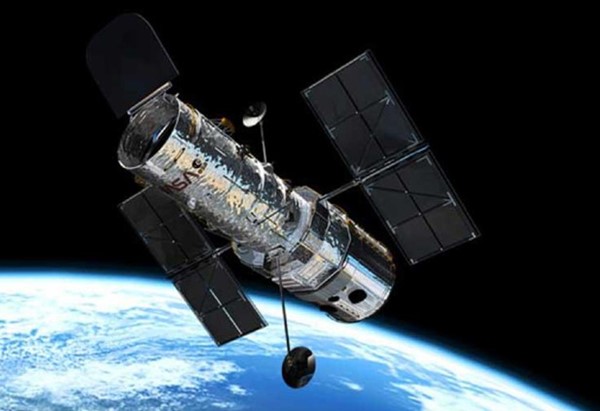
NASA is preparing to test a new technology that could give the Hubble Space Telescope a chance to continue its operations for several additional years, a move that could pave the way for a new era of servicing observator
Translated by Qiyas from الأنباء — Original source
NASA is preparing to test a new technology that could give the Hubble Space Telescope a chance to continue its operations for several additional years, a move that could pave the way for a new era of servicing observatories and satellites directly in space.
The plan relies on a robotic service vehicle called “Link,” developed by Catalyst Space, which is scheduled to be launched in the near future to carry out an experimental mission aimed at docking with the Swift space observatory and boosting its orbit.
Like Hubble, Swift faces the challenge of its orbit gradually decaying due to the effects of Earth’s atmosphere.
The mission is highly complex, as the observatory was not originally designed to receive maintenance operations or orbital docking. However, the success of the test could provide a practical model for extending the operational lifespan of other observatories and satellites, rather than replacing them with costly new missions.
This experiment holds particular significance for the Hubble Space Telescope, which has been operating since 1990 and continues to contribute to important scientific research and discoveries. Estimates suggest that boosting its orbit in the future could help preserve its scientific capabilities for a longer period, until next-generation observatories come into service in the coming decades.
NASA believes that developing orbital servicing technologies could help maximize the utility of current space assets and reduce the costs of future missions.
