Cooperation Memorandum between the Financial Control and the Central Audit Bureau to Enhance Regulatory Integration
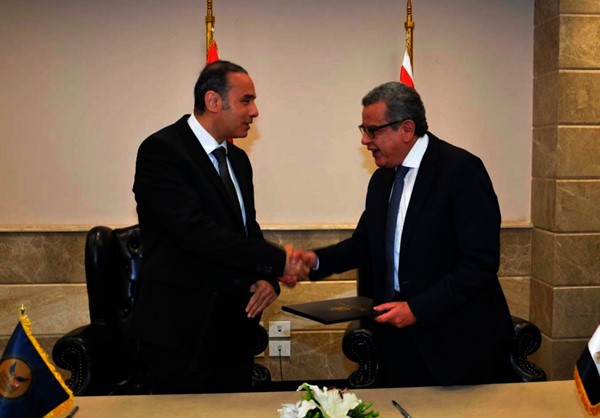
Cairo - Nadeh Imam Dr. Islam Azam, Chairman of the Financial Regulatory Authority (FRA), and Advisor Mohamed Al-Fayes Youssef, Chairman of the Central Auditing Organization (CAO), signed a memorandum of understanding to
Translated by Qiyas from الأنباء — Original source
Cairo - Nadeh Imam
Dr. Islam Azam, Chairman of the Financial Regulatory Authority (FRA), and Advisor Mohamed Al-Fayes Youssef, Chairman of the Central Auditing Organization (CAO), signed a memorandum of understanding to enhance institutional cooperation between the two sides in regulatory, supervisory, and technical fields. This collaboration aims to improve the efficiency of the oversight system and develop non-banking financial markets in line with governance and transparency principles, within the framework of the state’s direction toward maximizing integration among its institutions to support economic development and achieve the objectives of Egypt Vision 2030.
The signing of the memorandum comes at a critical time, as both sides currently represent Egypt in leading the highest international regulatory organizations. Egypt, represented by the Central Auditing Organization, holds the presidency of the International Organization of Supreme Audit Institutions (INTOSAI), while the Financial Regulatory Authority chairs the Emerging and Developing Markets Committee (EDMC) of the International Organization of Securities Commissions (IOSCO), in addition to holding a vice-presidency position on its board. This contributes to articulating Egypt’s regulatory vision before peer authorities and deepening coordination on issues of global interest.
Dr. Islam Azam emphasized that this cooperation is an extension of the FRA’s coordination efforts with state institutions, based on the constitutional and regulatory mandates of both the Authority and the Organization. The FRA plays a pivotal role in regulating and developing non-banking financial activities by establishing a modern legislative and regulatory framework that has contributed to market development, expanding the scope of financial inclusion, and enhancing the capacity of financial institutions to support the national economy.
He highlighted the Authority’s participation in recent years in developing the legislative framework governing the non-banking financial sector and issuing the necessary executive and regulatory decisions to activate these laws in a manner that ensures support for innovation, broadens the base of beneficiaries of financial inclusion, and protects the rights of market participants.
He clarified that the Authority will immediately activate the agreed-upon cooperation mechanisms following the signing of the memorandum, through holding periodic coordination meetings, forming joint working groups, consulting on legislative and regulatory developments, and implementing capacity-building programs. Additionally, the Authority will collaborate on preparing future studies to anticipate risks and coordinate Egyptian positions at international forums.
He added that the Authority’s policy is firmly committed to transforming memoranda of understanding and cooperation protocols into actionable and measurable work programs, thereby delivering added value to the markets and institutions under its supervision. Cooperation with the Central Auditing Organization represents a practical step toward consolidating an advanced model of integration among Egyptian regulatory bodies, particularly as they actively contribute to leading major international organizations.
For his part, Advisor Mohamed Al-Fayes Youssef, Chairman of the Central Auditing Organization, stated that the cooperation would mark the beginning of extensive activities and full strategic institutional coordination between the two sides, serving the state’s higher interests and aligning with its future aspirations, while ensuring protection for the national economy.
He added that in exercising its mandates, the Organization adheres to international regulatory standards to keep pace with continuous developments in technical and accounting aspects. He emphasized the importance of integration between the two sides at the international level within INTOSAI and IOSCO to consolidate the effectiveness of Egypt’s presence, achieve mutual benefit in the knowledge domain, and collaborate on preparing proactive visions that support the resilience of regulatory institutions.
