On the Eve of the Third Round of US-Iranian Negotiations in Geneva: Bazargan Sees Positive Prospects and Works to Remove War Atmosphere
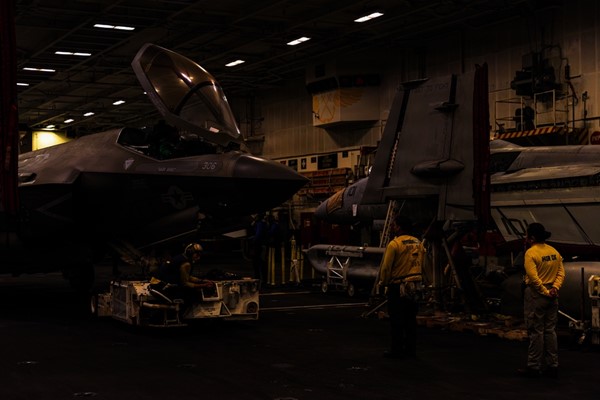
Iranian President Masoud Bazargan affirmed positive prospects in indirect negotiations with the United States, emphasizing the avoidance of war, while the US displays military threats in the Gulf, with Iran reiterating its rejection of developing nuclear weapons.
Translated by Alqyas from Al-Anba — Original source
The third round of indirect negotiations between the United States and Iran is scheduled to take place in Geneva on Thursday, with Iran reaffirming its determination to reach a fair and just agreement as soon as possible. Iranian President Masoud Pezeshkian said, “We see positive prospects for the indirect negotiations. We are working to dispel the atmosphere of war.” He added, “Guided by directives from the Supreme Leader, we have sought to steer the negotiation process forward and move beyond the draining ‘no war, no peace’ stalemate,” as reported by Al Jazeera.
Before departing for Geneva to lead a political delegation in the third round of talks, Foreign Minister Abbas Araghchi presented a report on the discussions at a cabinet meeting yesterday, according to Iranian government spokesperson Fatemeh Mohajerani. The Iranian Mehr News Agency quoted Araghchi as saying, “We will enter the talks with Washington with a firm resolve to reach a fair agreement in the shortest possible time,” emphasizing that “we will resume negotiations with Washington in Geneva based on understandings reached in the previous round.”
Araghchi had previously posted on the X platform, “Our core positions and beliefs are as clear as the sun: Iran will never, under any circumstances, seek to develop nuclear weapons, and at the same time, we Iranians will never relinquish our people’s right to enjoy the benefits of peaceful nuclear technology.” He added, “We now have a historic opportunity to reach an unprecedented agreement that addresses shared concerns and safeguards common interests. The agreement is within reach, but only if diplomacy is prioritized.” The Iranian foreign minister continued, “We have proven that we will spare no effort in protecting our sovereignty. We will bring this same courage to the negotiating table, where we will strive to find a peaceful resolution to any disputes.”
This third round, mediated by Oman, follows an initial meeting in Muscat on February 6 and a second round in Geneva on February 17. The talks come amid the deployment of a large U.S. military force in the Gulf and Middle East regions, alongside escalating U.S. threats of military action against Iran if diplomatic efforts fail.
On his part, Mohammad Baqer Qalibaf, Speaker of the Iranian Parliament, stated during a meeting with economic and market stakeholders that “if the United States chooses the negotiating table with mutual interests in mind, Tehran will also sit at that table.” He added, “All options are on the table, whether diplomacy with dignity or a defensive response that would lead to regret.” The Iranian parliament speaker reiterated his country’s firm opposition to acquiring nuclear weapons, stating, “We have repeatedly said that we did not, and will not, seek nuclear weapons,” a position clearly affirmed by Iran’s political and military leadership.
In a related development, the Iranian Foreign Ministry rejected U.S. President Donald Trump’s accusations that Tehran is seeking to develop missiles capable of striking the United States and pursuing “evil” nuclear ambitions. Trump had stated earlier in a speech that Iranians “have already designed missiles that can threaten Europe and our overseas bases, and they are working on building missiles that will soon be capable of reaching the United States.” However, he added, “The best way to solve this problem is through diplomacy, but there is one thing that is certain: I will never allow the world’s number one state sponsor of terrorism, which they are by far, to possess a nuclear weapon.”
